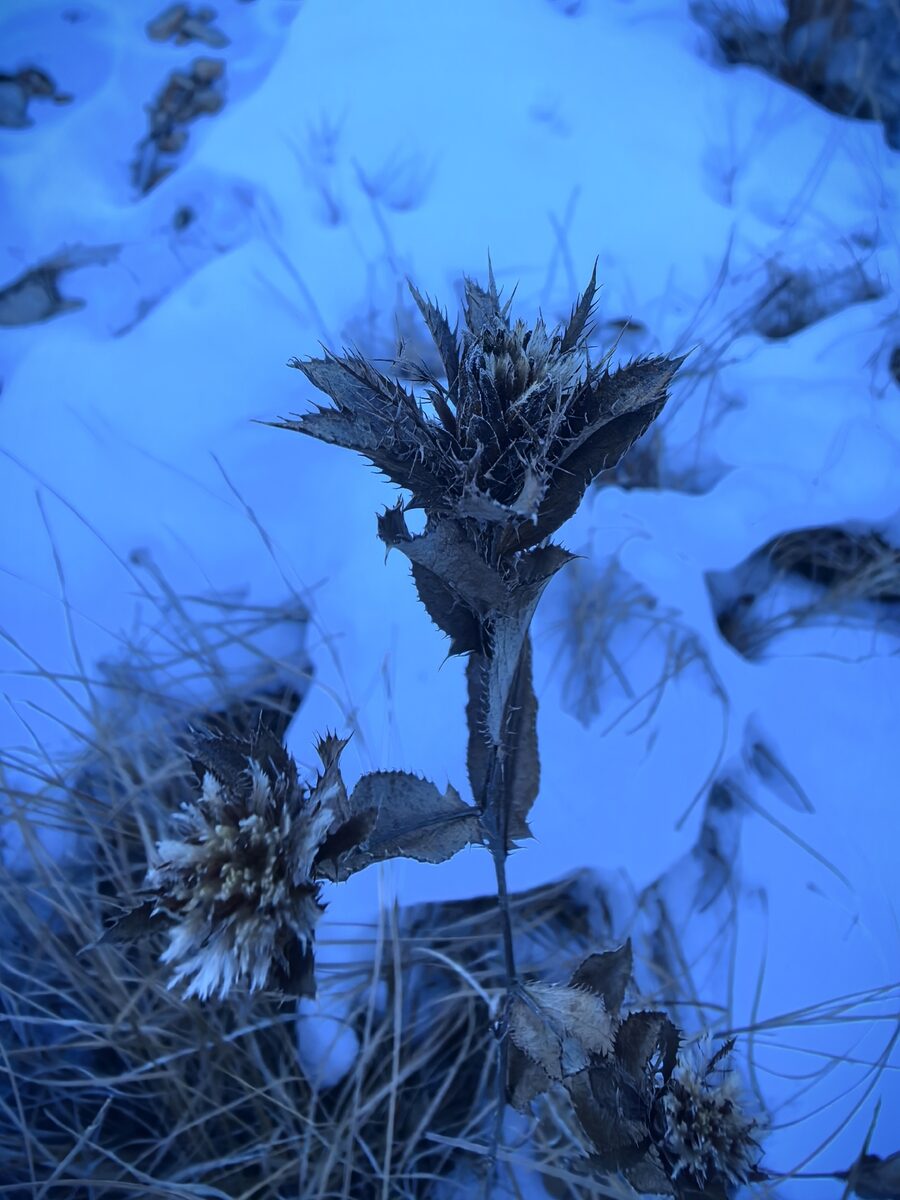
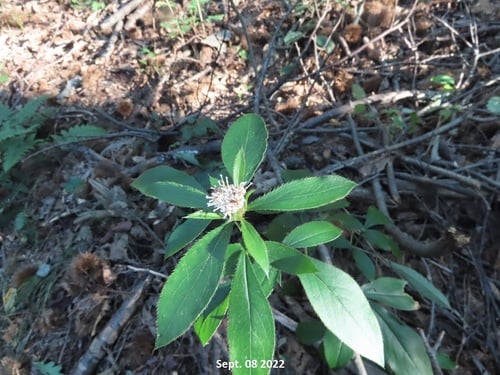
Aster scaber
Thunberg
Rough aster
iNaturalist· cc-by-nc
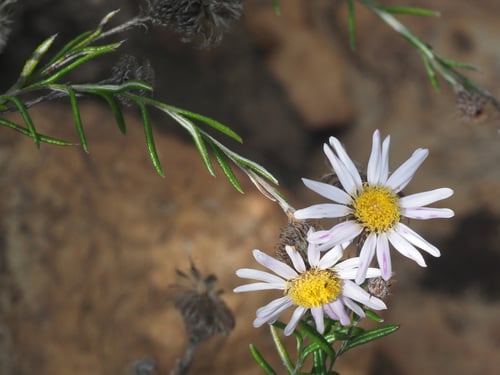
(c) Andrey Vlasenko, some rights reserved (CC BY-NC), uploaded by Andrey Vlasenko
iNaturalist· cc-by
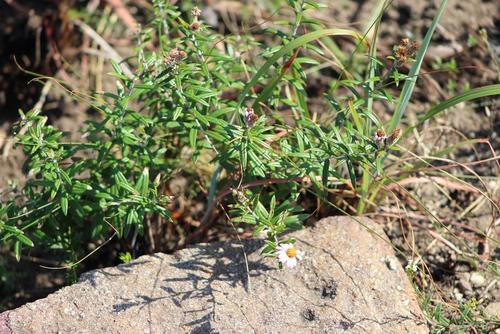
(c) Repina Tatyana, some rights reserved (CC BY), uploaded by Repina Tatyana
iNaturalist· cc-by-nc
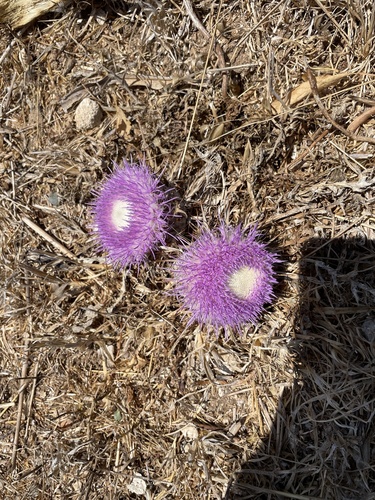
(c) Keita Watanabe, some rights reserved (CC BY-NC), uploaded by Keita Watanabe
Summary
Source: WikipediaA perennial herb reaching 1.2 m tall with a upright growth habit. Flowers from August to October with seeds ripening September to November. Hermaphroditic and self-fertile, attracting bees, flies, beetles, and Lepidoptera. Tolerates light sandy, medium loamy, and heavy clay soils with good drainage. Grows in mildly acidic to basic soils but requires full sun and moist conditions. Hardy to UK zone 7.
Description
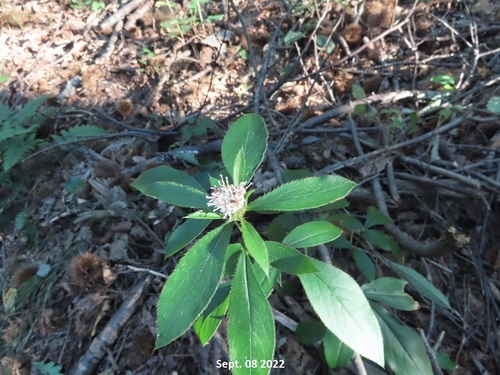
A robust herb. It keeps growing from year to year. It grows 1-1.5 m high. The stems are smooth and 3-7 mm across. The stems develop from buds on the short rhizomes or underground stems. The leaves are rough to the touch and have teeth along the edge. The leaves at the base are triangle shaped and 5-12 cm long by 3-12 cm wide. The leaf stalk is longer than the blade. These leaves die off. The leaves on the stem are oval or heart shaped and 8-14 cm long by 6-14 cm wide. The upper leaves get smaller. The flowers are in heads that form loose clusters at the top of the plant.
Edible Uses
Edible Parts: Leaves Edible Uses: Young plant. Frequently used in Korean cuisine and called chamchwi or chwinamul. The leaves are stir-fried or blanched. Used in namul - A Korean herbal side dish. Used as a flavoring herb in kimchi or rice.
Traditional Uses
The young leaves are lightly boiled or steamed and used like spinach. The leaves are dried then water added along with soy sauce and sesame oil.
This uses section is brief — help expand it
Medicinal Uses
None known
Distribution
It is a temperate plant. In China it grows on open slopes in valleys below 2,000 m above sea level. In Sichuan.
Where It Grows
Asia, China, Japan, Korea, Russia,
Cultivation
Succeeds in most good garden soils, preferring one that is well-drained and moisture retentive. Prefers a sunny position. Most species in this genus seem to be immune to the predations of rabbits. Hybridizes freely with other members of this genus.
Propagation
Seed - surface sow in spring in a cold frame. Do not allow the compost to become dry. Pre-chilling the seed for two weeks can improve germination rates. Germination usually takes place within 2 weeks at 20°c. When large enough to handle, prick the seedlings out into individual pots and plant them out in the summer. Division in spring or autumn. Very easy, larger divisions can be planted straight into their permanent positions whist smaller clumps are best potted up and kept in a cold frame until they are growing away well.
Other Uses
Attracts wildlife. A good food forest plant for moist soil and sunny conditions. Special Uses Food Forest
Other Information
It is a commercially cultivated vegetable. It is a cultivated plant and dried leaves are sold in stores.
Notes
There are about 250 Aster species.
Synonyms
Also Known As
Chamch'wi, Chamchwi, Cham-chui, Shirayama-giku
References (19)
- Chen, B. & Qiu, Z., Consumer's Attitudes towards Edible Wild Plants, Ishikawa Prefecture, Japan. p 22 www.hindawi.com/journals/ijfr/aip/872413.pdf
- Chung, T. Y., et al, 1993, Volatile Compounds Isolated from Edible Korean Chamchwi (Aster scaber Thunb.). Journal of Agricultural and Food Chemistry 41: 1693-1697
- Facciola, S., 1998, Cornucopia 2: a Source Book of Edible Plants. Kampong Publications, p 34 (As Aster scaber)
- Fl. jap. 316. 1784
- GRIN (As Doellingeria scabra)
Show all 19 references Hide references
- Heo, B., et al., 2009, Antiproliferative Activity of Korean Wild Vegetables on Different Human Tumor Cell Lines. Plant Foods for Human Nutrition. 64:257-263
- Hu, Shiu-ying, 2005, Food Plants of China. The Chinese University Press. p 720
- Hwang, H., et al, 2013, A Study on the Flora of 15 Islands in the Western Sea of Jeollanamdo Province, Korea. Journal of Asia-Pacific Biodiversity Vol. 6, No. 2 281-310
- Hwang, HS, et al, 2014, Distribution characteristics of plant in the Ungseokbong Mountain, Gyeongsangnam-do, Korea. Journal of Asia-Pacific Biodiversity. 7(2014) e164-e178
- Kays, S. J., and Dias, J. C. S., 1995, Common Names of Commercially Cultivated Vegetables of the World in 15 languages. Economic Botany, Vol. 49, No. 2, pp. 115-152
- Kim, H. & Song, M., 2013, Ethnobotanical analysis for traditional knowledge of wild edible plants in North Jeolla Province (Korea). Genetic. Resour. Crop Evol. (2013) 60:1571-1585
- Lee, Y., et al, 2013, Antioxidant Activity and Anti-Adipogenic Effects of Wild Herbs Mainly Cultivated in Korea. Molecules 2013, 18, 12937-12950
- Nesom, G. L. 1994. Review of the taxonomy of Aster sensu lato (Asteraceae: Astereae), emphasizing the New World species. Phytologia 77:253.
- Pemberton, R. W. & Lee, N. S., 1996, Wild Food Plants in South Korea: Market Presence, New Crops, and Exports to the United States. Economic Botany, Vol. 50, No. 1, pp. 57-70
- Plants for a Future database, The Field, Penpol, Lostwithiel, Cornwall, PL22 0NG, UK. http://www.scs.leeds.ac.uk/pfaf/
- Song, M., et al, 2013, Traditional knowledge of wild edible plants in Jeju Island, Korea. Indian Journal of Traditional Knowledge. 12(2) pp 177-194
- USDA, ARS, National Genetic Resources Program. Germplasm Resources Information Network - (GRIN). [Online Database] National Germplasm Resources Laboratory, Beltsville, Maryland. Available: www.ars-grin.gov/cgi-bin/npgs/html/econ.pl (10 April 2000)
- Wiersema, J. H. & Leon, B., 2013, World Economic Plants. A Standard Reference CRC Press. 2nd Ed. p 76
- World Checklist of Useful Plant Species 2020. Royal Botanic Gardens, Kew