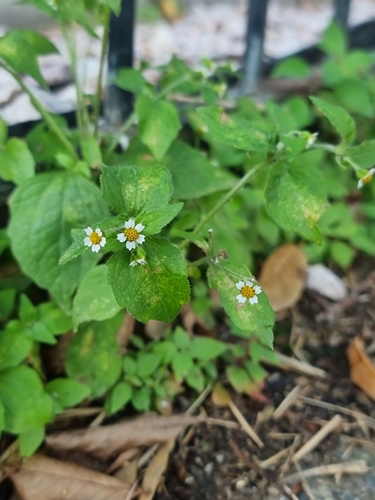
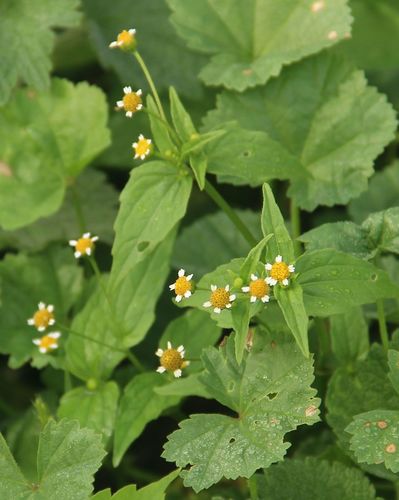
Chiliadenus glutinosus - (L.) Fourr.
(L.) Fourr.
Rock tea
gbif· cc-by-nc
Francisco Valverde
gbif· cc-by-nc
Cenaida
gbif· cc-by-nc
Cenaida
Description
Chiliadenus glutinosus is an evergreen Perennial growing to 0.4 m (1ft 4in) by 0.4 m (1ft 4in) at a medium rate. See above for USDA hardiness. It is hardy to UK zone 7. Suitable for: light (sandy) and medium (loamy) soils, prefers well-drained soil and can grow in nutritionally poor soil. Suitable pH: neutral and basic (mildly alkaline) soils and can grow in very alkaline soils. It cannot grow in the shade. It prefers dry or moist soil and can tolerate drought.
Edible Uses
In Spain, herbal teas made from species like Rock tea (Chiliadenus glutinosus) and hyssop-leaved mountain ironwort (Sideritis hyssopifolia) are popular in tourist areas such as Serranía de Cuenca and Picos de Europa. Additionally, Chiliadenus glutinosus is now used to make new products, including ice cream offered by some restaurants. Rock tea has antioxidant and neuroprotective Properties .
Medicinal Uses
Used for the treatment of depression, gastrointestinal complaints, inflammations, appendicitis, colds, and respiratory disorders. Rock tea has antioxidant and neuroprotective Properties (see edible uses).
Distribution
E. & S. Spain to Lampedusa, N. Morocco.
Where It Grows
Native to: Baleares, France, Morocco, Sicilia, Spain.
Cultivation
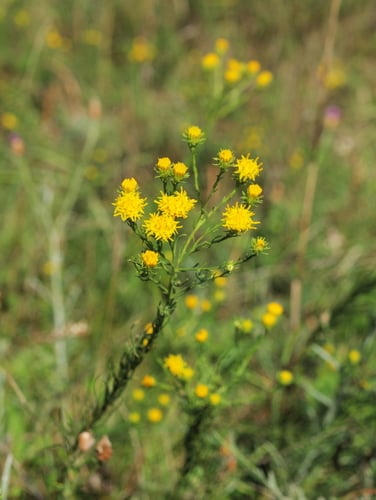
Wild. A perennial or subshrub found on stony slopes and rock crevices, often in dry, alkaline soils in the sun. No nitrogen-fixing symbionts. Non-saline.
Propagation
Seed.
Synonyms
Also Known As
Basque: harkaitzetako tea. Catalan; te de roca. French: inule des rochers. Spanish: té de roca.