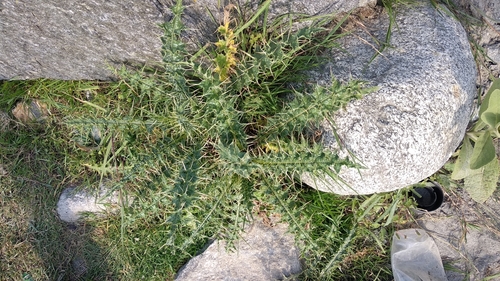
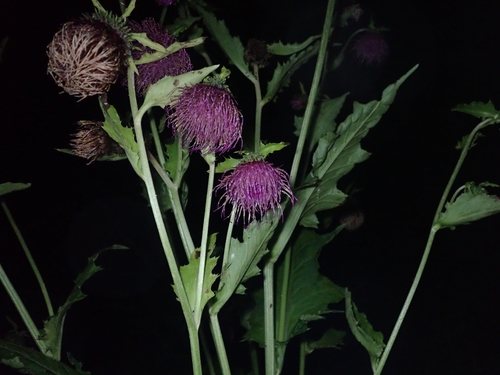
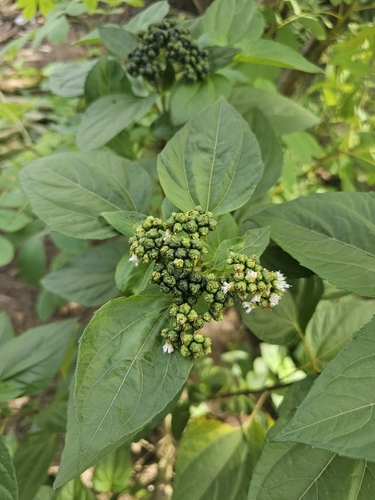
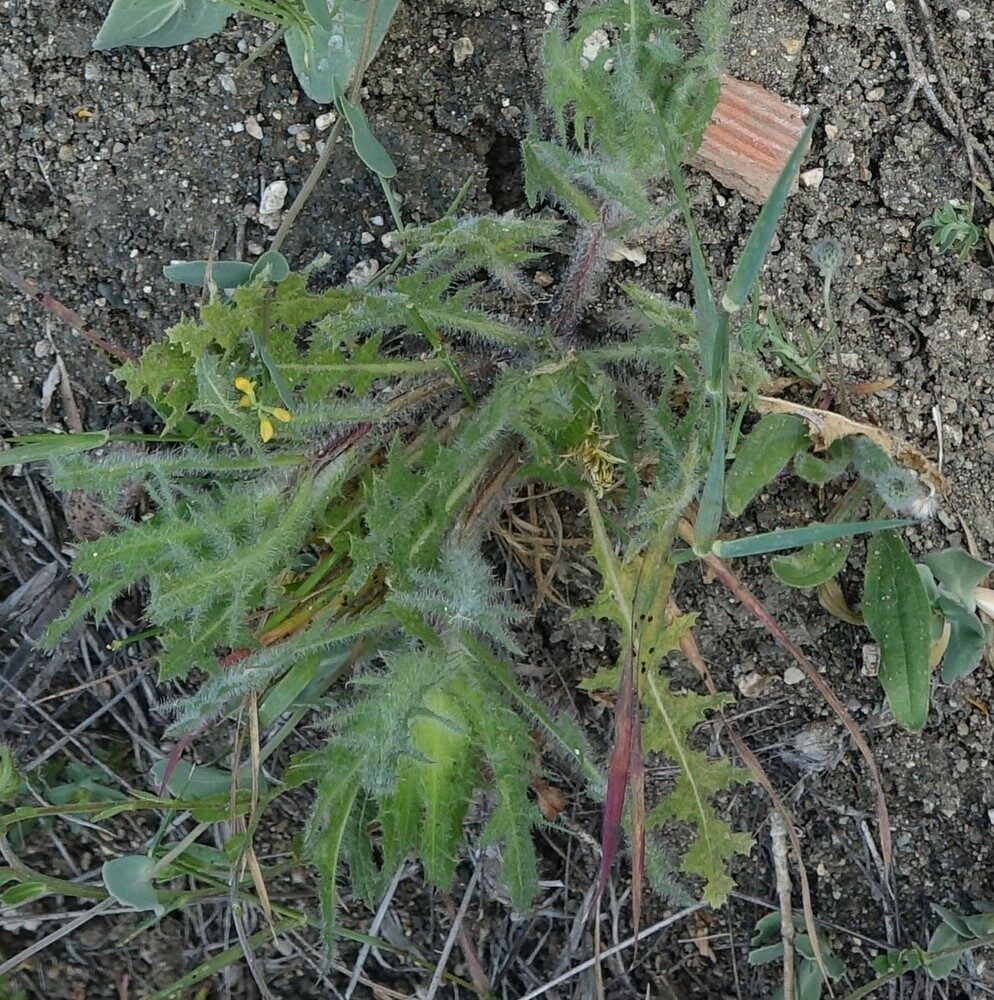
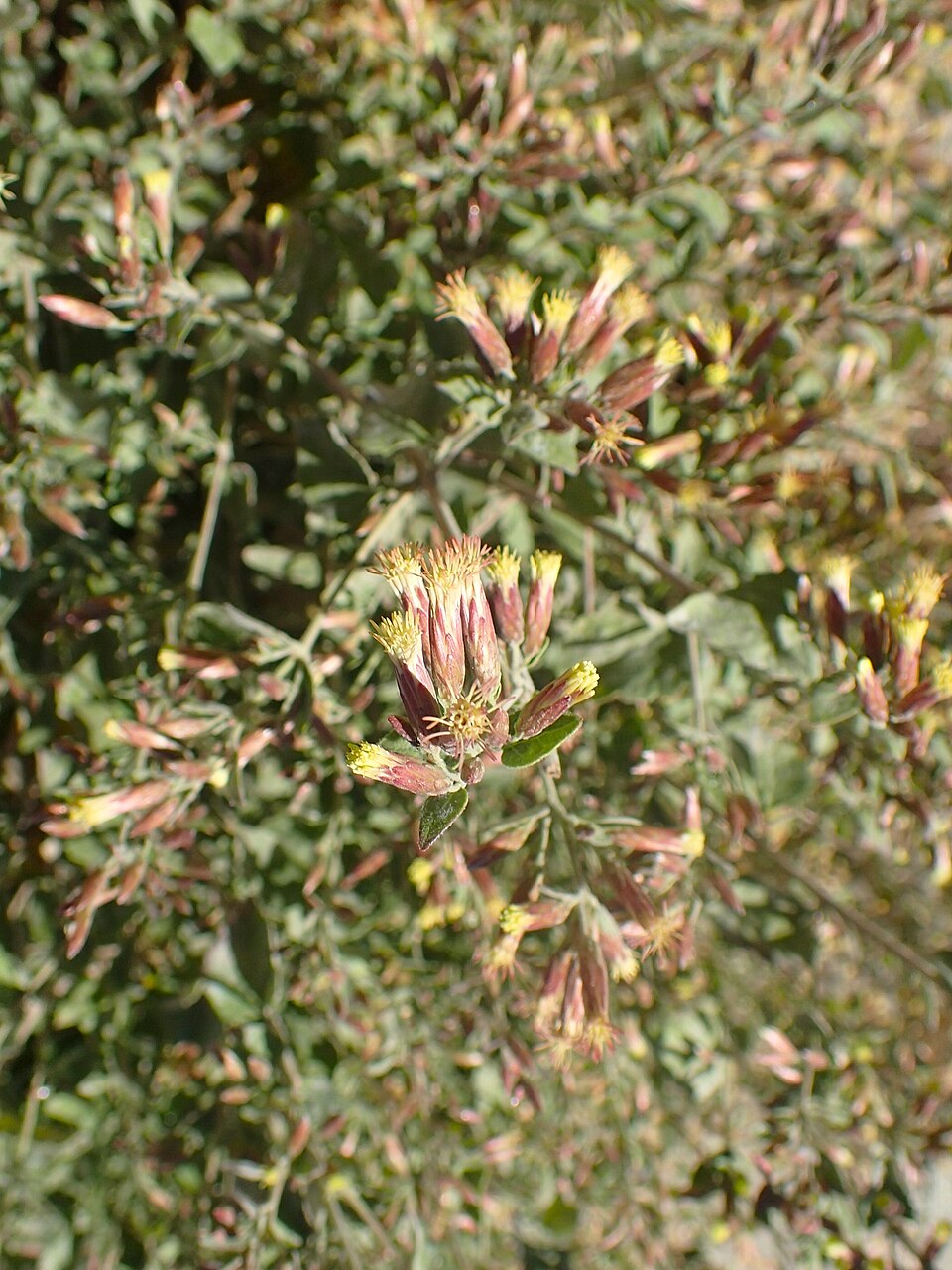
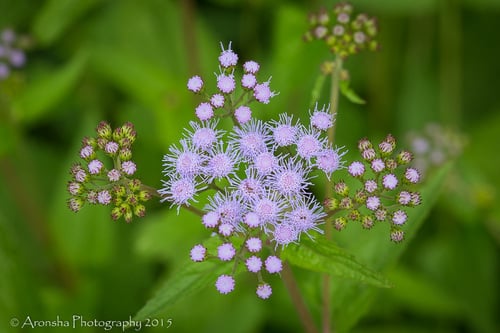
Chondrilla acantholepis
Boiss.
wikimedia· cc-by
Wikimedia Commons - Robert Flogaus-Faust
wikimedia· cc0
Wikimedia Commons - Jan Kops
Description
An herb in the Asteraceae family found in temperate regions. Young aerial parts and leaves are used in traditional cooking.
This description is brief — help expand it
Edible Uses
In the Greek island of Crete the leaves and the tender shoots of a local variety called ampelosyrida (αμπελοσυρίδα) or glykosyrida (γλυκοσυρίδα) are eaten raw or boiled in salads by the locals. The plant is also traditionally consumed by ethnic Albanians (Arbëreshë) in the Vulture area (southern Italy). Chondrilla juncea may have an anti-oxidant activity and some potential for medicinal use. XO-inhibiting activity shown by extracts of the aerial parts of the plant with potential benefits for hyperuricaemia and gout. In the eastern region of Turkey, chewing gum is obtained from the body of the plant.
Traditional Uses
Young aerial parts are used in a pastry.
This uses section is brief — help expand it
Distribution
It is a temperate plant.
Where It Grows
Europe, Turkey, Türkiye,
Synonyms
Also Known As
Sakiz otu
References (1)
- Dogan, A. & Tuzlaci, E., 2015, Wild Edible Plants of Pertek (Tunceli-Turkey). Marmara Pharmaceutical Journal 19: 126-135 (As Chondrilla juncea var. acantholepis)