Euphorbia esula
L.
Leafy spurge
iNaturalist· cc-by
(c) Petr Harant, some rights reserved (CC BY), uploaded by Petr Harant
iNaturalist· cc-by-sa
(c) Stefan.lefnaer, some rights reserved (CC BY-SA)
iNaturalist· cc-by-nc
(c) Jasmin Rehrmbacher, some rights reserved (CC BY-NC), uploaded by Jasmin Rehrmbacher
Summary
Source: WikipediaEuphorbia esula, commonly known as green spurge or leafy spurge, is a species of spurge native to central and southern Europe (north to England, the Netherlands, and Germany), and eastward through most of Asia north of the Himalaya to Korea and eastern Siberia. It can also be found in some parts of Alaska.
Description
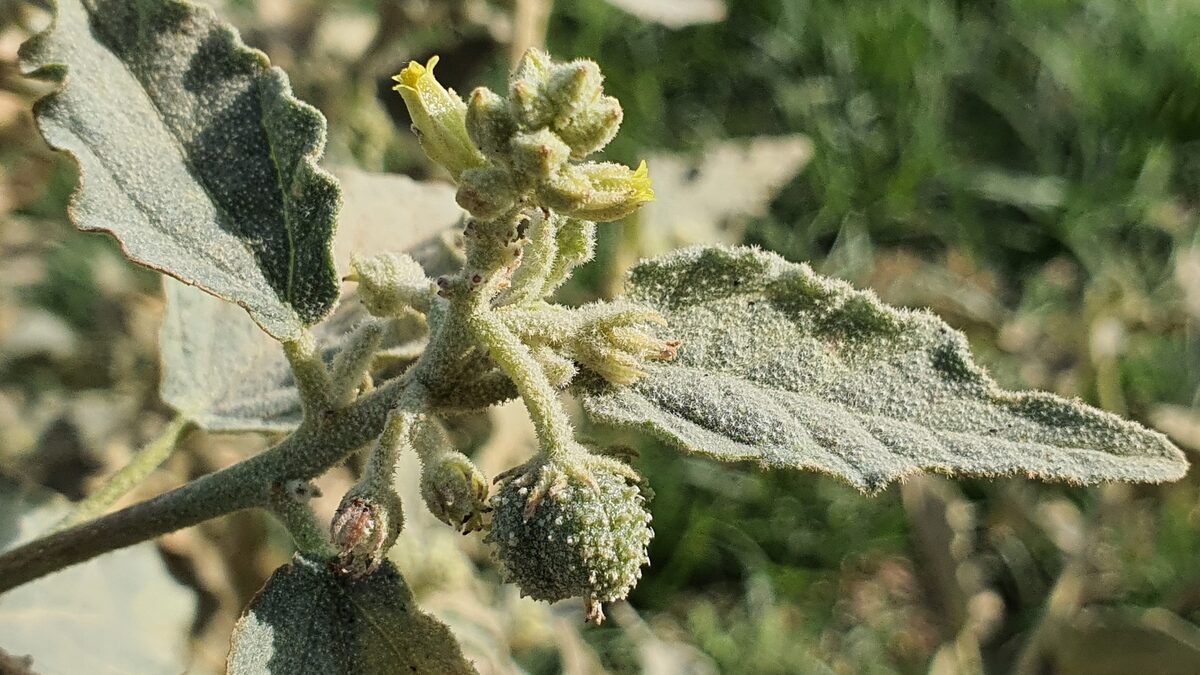
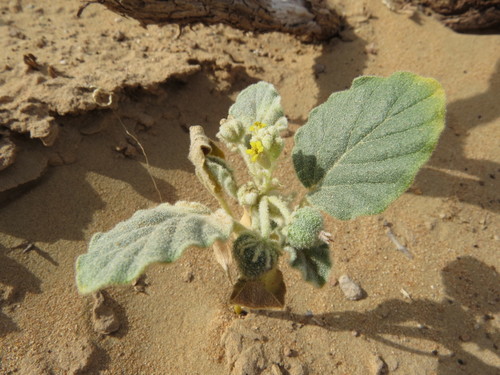
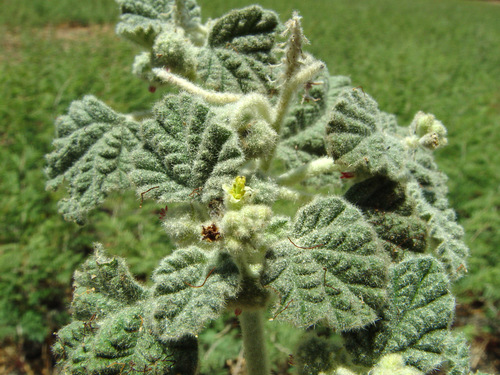
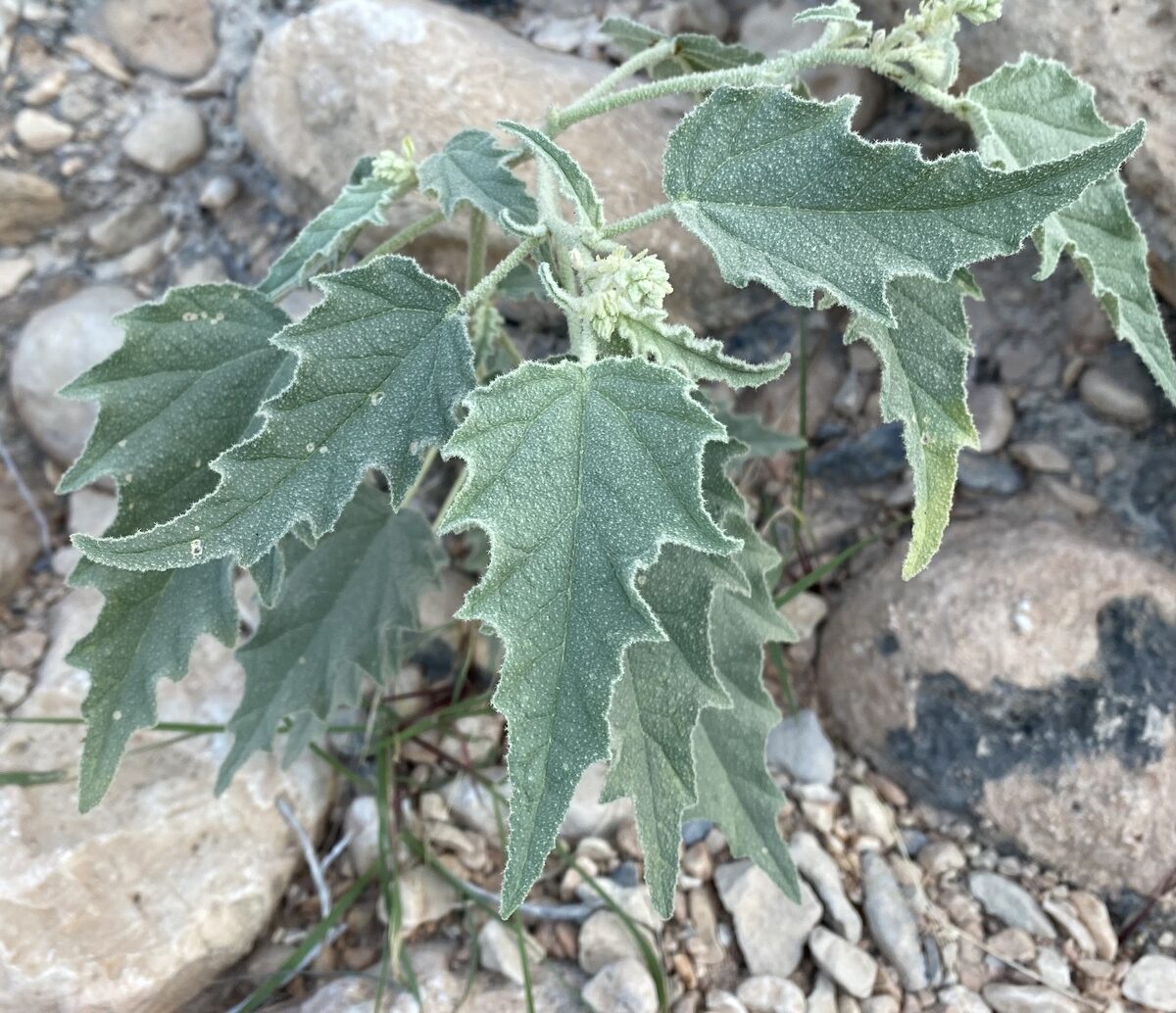
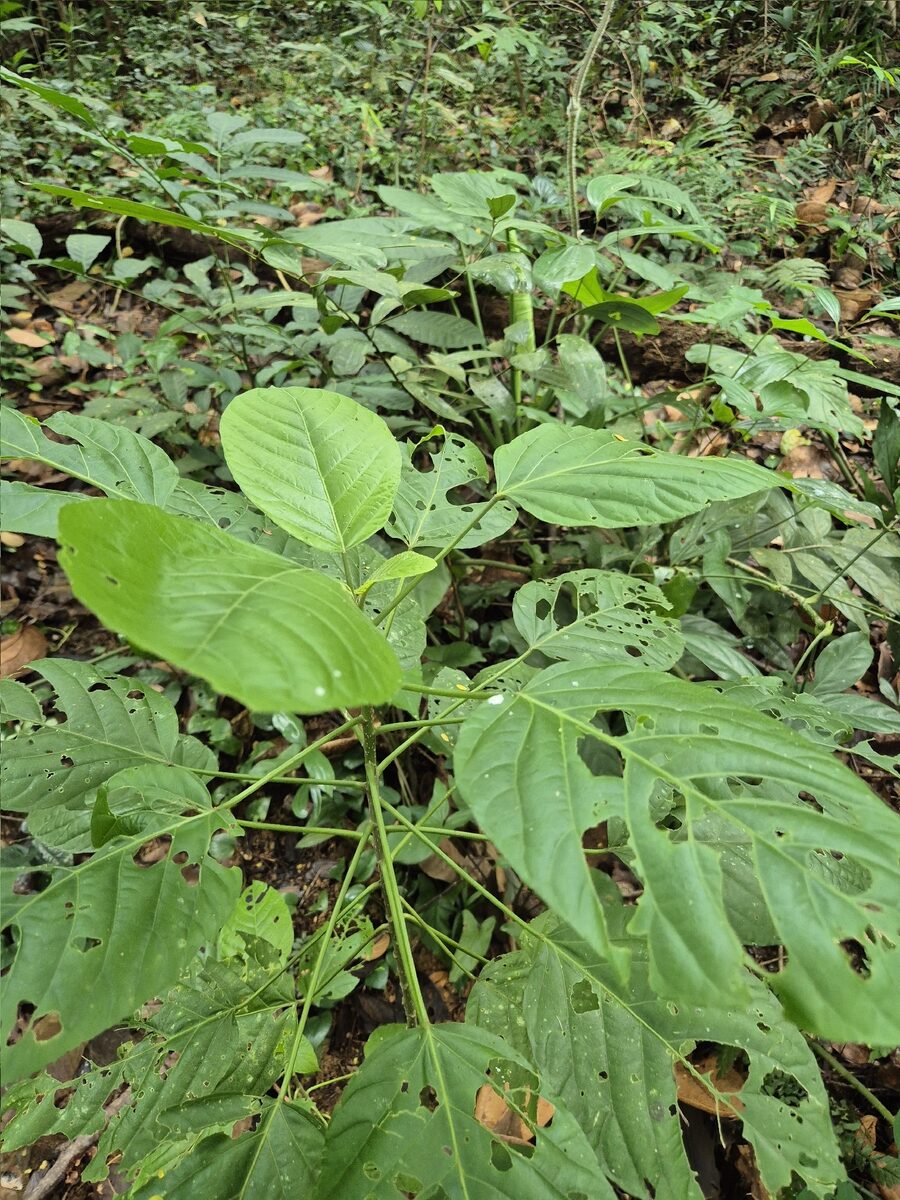
A small herb. It grows 15-60 cm high. It has tough deep roots and keeps growing from these from year to year. The leaves are alternate and narrowly oblong. They are scattered along the stem and in rings at the top. The flower is yellowish-green and they are in heads. The male and female flowers are on a pair of leaf like bracts. The fruit is a dry capsule. It has 3 seeds.
Edible Uses
None known.
Medicinal Uses
None known.
Known Hazards
The sap contains a latex which is toxic on ingestion and highly irritant externally, causing photosensitive skin reactions and severe inflammation, especially on contact with eyes or open cuts. The toxicity can remain high even in dried plant material. Prolonged and regular contact with the sap is inadvisable because of its carcinogenic nature.
Distribution
It grows in fields and waste places.
Where It Grows
TEMPERATE ASIA: Afghanistan, Iran, Iraq, Lebanon, Syria, Turkey, Russian Federation-Ciscaucasia (Ciscaucasia), Armenia, Azerbaijan, Georgia, Russian Federation (Dagestan), Russian Federation-Western Siberia (Western Siberia), Russian Federation (Buryatia, Altay, Krasnoyarsk, Irkutsk), Kazakhstan, Kyrgyzstan, Tajikistan, Turkmenistan, Uzbekistan, Mongolia, Russian Federation (Amur), China, Korea TROPICAL ASIA: Pakistan (north) EUROPE: Finland, Austria, Belgium, Switzerland, Czech Republic, Germany, Hungary, Netherlands, Poland, Russian Federation (European part), Belarus, Estonia, Lithuania, Latvia, Moldova, Ukraine (incl. Krym), Former Yugoslavia, Bulgaria, Italy, Romania, Spain, France (incl. Corsica), Portugal AFRICA: Portugal (Azores)
Cultivation
Experimental Crop Management: Hay. Climate: boreal to subtropical. Humidity: arid to humid. Prefers areas of full sunlight and dry soil but can tolerate a variety of habitats including temperatures as low as -45C (-49F). A deep-rooted perennial plant. Roots grow twice as fast in sandy soil as in clay soil. Roots in clay soil have greater branching than those in sandy soil. High levels of soil nitrogen can reduce the biomass of leafy spurge roots and lead to greater root concentrations near the top of the soil profile (U.S. Forest Service). Especially aggressive in semi-arid situations. Adapted to a wide range of conditions, from moist to dry with annual rainfalls as low as 180mm (7"). It grows as clusters with upright stems, 0.3 to 1m tall. Cultivation: experimental. Management: hay (Describes the non-destructive management systems that are used in cultivation).
Propagation
Grows from seed or creeping roots. Seeds have a high germination rate and may remain viable in the soil for at least eight years, allowing the plant to reproduce readily.
Other Uses
Euphorbia esula has nutrient value comparable to alfalfa (Medicago sativa L.) and crested wheatgrass (Agropyron cristatum (L.) Gaertn.), making it nutritious forage for sheep and goats. The high-protein diet it provides results in very high quality mohair in angora goats. It has potential as a whole-plant biomass fuel crop for home-heating purposes. The plant is also high in hydrocarbon latex, suggesting promise as a cold-hardy hydrocarbon species. It functions as a dynamic accumulator and has been identified as a candidate for carbon farming applications.
Synonyms
Also Known As
Hungarian spurge; wolf's milk, Euphorbe esule, Esels- Wolfsmilch; Scharfe Wolfsmilch, Heksenmelk, Vargtoerel, Faitours-grass, Green spurge, Leafy spurge
References (3)
- Cormack, R. G. H., 1967, Wild Flowers of Alberta. Commercial Printers Edmonton, Canada. p 194
- Kiple, K.F. & Ornelas, K.C., (eds), 2000, The Cambridge World History of Food. CUP p 1799
- Sp. pl. 1:461. 1753