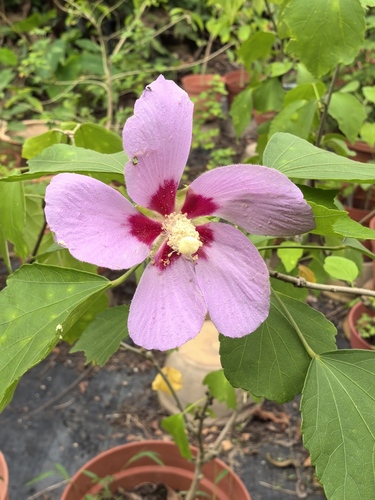
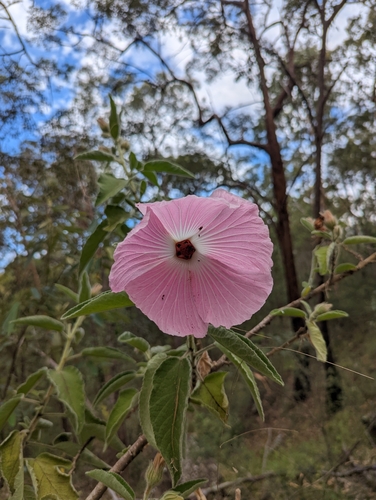
Theobroma canumanense
Pires & Froes
Cupurana
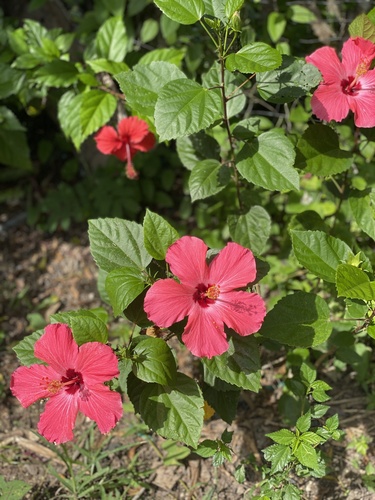
iNaturalist· cc-by-nc
(c) Hervé GALLIFFET, some rights reserved (CC BY-NC), uploaded by Hervé GALLIFFET
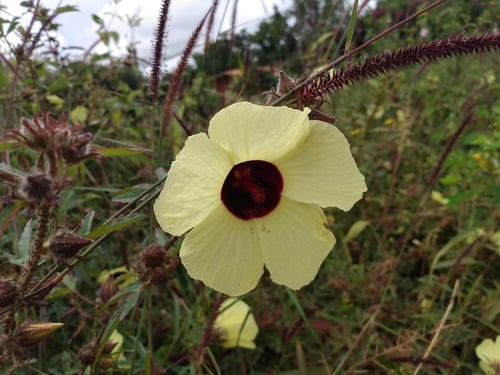
iNaturalist· cc-by-nc-sa
(c) Smithsonian Institution, National Museum of Natural History, Department of Botany, some rights reserved (CC BY-NC-SA)
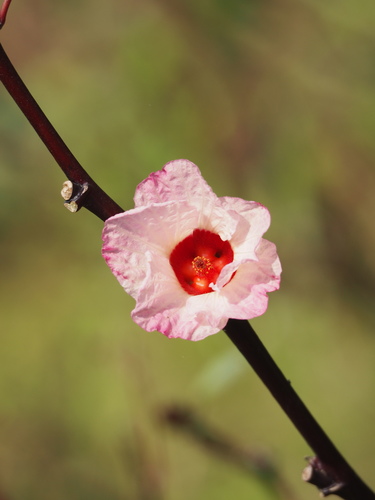
iNaturalist· cc-by-nc-sa
(c) Smithsonian Institution, National Museum of Natural History, Department of Botany, some rights reserved (CC BY-NC-SA)
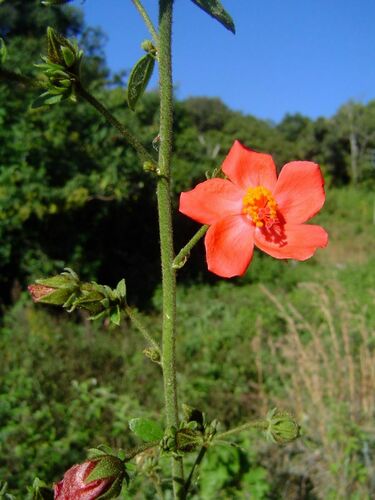
gbif· cc-by
The New York Botanical Garden
gbif· cc-by
The New York Botanical Garden
Description
A tropical tree in the Malvaceae family that produces edible fruit and seeds.
This description is brief — help expand it
Edible Uses
Several species of Theobroma produce edible seeds, notably cacao, cupuaçu, and mocambo. Cacao is commercially valued as the source of cocoa and chocolate. Theobroma species are used as food plants by the larvae of some moths of the genus Endoclita, including E. chalybeatus, E. damor, E. hosei and E. sericeus. The larvae of another moth, Hypercompe muzina, feed exclusively on Theobroma cacao. An active ingredient of cacao, theobromine, is named for the genus.
Distribution
A tropical plant.
Where It Grows
Amazon, Brazil, South America,
Notes
They have also been put in the family Byttneriaceae and the Sterculiaceae.
Also Known As
Cupuacu-do-mato
References (4)
- Cavalcante, P.B., 1991, Frutas comestíveis da Amazônia. Edições CEJUP.
- Hermandez Bermejo, J.E., and Leon, J. (Eds.), 1994, Neglected Crops. 1492 from a different perspective. FAO Plant Production and Protection Series No 26. FAO, Rome. p 206
- Kermath, B. M., et al, 2014, Food Plants in the Americas: A survey of the domesticated, cultivated and wild plants used for Human food in North, Central and South America and the Caribbean. On line draft. p 862
- Paz, F. S., et al, 2021, Edible Fruit Plant Species in the Amazon Forest Rely Mostly on Bees and Beetles as Pollinators. Journal of Economic Entomology, XX(XX), 2021, 1–13