Aniba rosaeodora
Ducke
Rosewood-oil tree
iNaturalist· cc-by-nc
(c) Apipa, some rights reserved (CC BY-NC)
iNaturalist· cc-by-nc
(c) Apipa, some rights reserved (CC BY-NC)
iNaturalist· cc-by-nc
(c) Julien Piolain, some rights reserved (CC BY-NC)
Summary
Source: WikipediaAniba rosaeodora, also known as pau-rosa, is a species of Magnoliid tree in the family Lauraceae that grows in parts of the tropical rainforest of South America. It is often mistaken for rosewood, but does not belong in the proper rosewood genus, Dalbergia, or even its order. Like rosewood, it is exploited for its essential oil, and has therefore become endangered.
Description
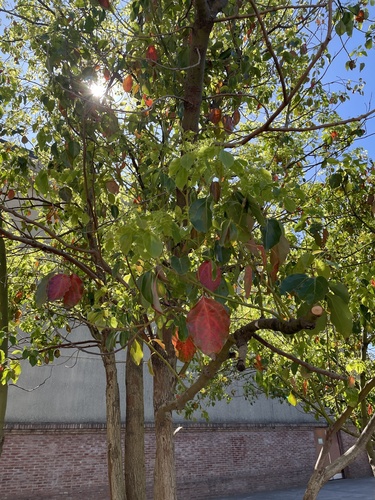
A tree. It keeps its leaves from year to year. It is slender and grows 25 m tall and spreads 15 m wide. The leaves are leathery and narrowly oval. They are 14 cm long. The leaves are downy and yellow-brown underneath. The flowers are small and in dull red groups.
Edible Uses
Edible Parts: Oil Edible Uses: Oil The essential oil from the wood is used as a flavouring in commercial foods such as confectionary, chewing gum, baked goods and frozen desserts.
Traditional Uses
The wood yields an essential oil know as rosewood oil. It is used to flavour baked goods, sweets, frozen dairy products, and chewing gum.
This uses section is brief — help expand it
Medicinal Uses
Analgesic Antibacterial Anticonvulsant Antidepressant Antidermatosic Antiseptic Aphrodisiac Deodorant Skin Stimulant Tonic The bark and the essential oil obtained from the wood are analgesic, antibacterial, anticonvulsant, antidepressant, antimicrobial, antiseptic, aphrodisiac, deodorant, stimulant and tonic. They are used in the treatment of acne, colds, coughs, dermatitis, fevers, frigidity, headaches, infections, nausea, nervous tension, skin care and wounds.
Distribution
A tropical plant. It needs a moist, well-drained soil. It needs a temperature above 15-18°C.
Where It Grows
Amazon, Brazil, Guiana, Guianas, Guyana, Mexico, North America, South America, Suriname, Venezuela,
Cultivation
A plant of lowland to medium elevations in the moist tropics. A light-demanding species, even when young. Found mainly on clay soils in the wild. When the essential oil is wanted, the tree is harvested when 10 - 15 years old and chipped for steam distillation.
Propagation
Seed - best sown as soon as it is ripe in a lightly shaded position in a seedbed or in individual containers. The seed needs light to germinate. A low germination rate can usually be expected, with the seed sprouting within 35 - 56 days.
Other Uses
Deodorant Essential Oil Pioneer Soap Wood Other uses rating: High (4/5). Agroforestry Uses: A pioneer species, growing well in open spaces. Other Uses The wood contains a volatile essential oil. It is used in perfumery. Rosewood oil contains high concentrations of linalool, which can be transformed into a number of derivatives for the flavour and fragrances industry. The oil has for a long time been used in the preparation of more expensive perfumes and at one time in fragrant soaps. The lustrous yellow wood is used for making chests and drawers. The timber is also of some commercial value in furniture-making, turnery, boat or canoe building, millwork, flooring, plywood, veneer and the making of agricultural implements and tool handles. Special Uses Food Forest
Other Information
It is a cultivated food plant.
Notes
There are about 40 Aniba species.
Synonyms
Also Known As
Cara-cara, Pau rosa, Pala rosa
References (5)
- Arch. Jard. Bot. Rio de Janeiro 5:109, t. 4, fig. 5. 1930
- Brown, D., 2002, The Royal Horticultural Society encyclopedia of Herbs and their uses. DK Books. p 123
- Facciola, S., 1998, Cornucopia 2: a Source Book of Edible Plants. Kampong Publications, p 138
- Hermandez Bermejo, J.E., and Leon, J. (Eds.), 1994, Neglected Crops. 1492 from a different perspective. FAO Plant Production and Protection Series No 26. FAO, Rome. p 30
- Morton,