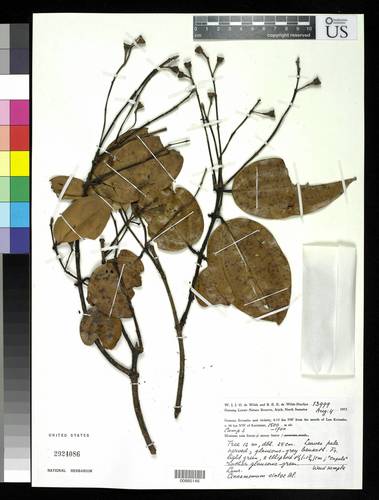
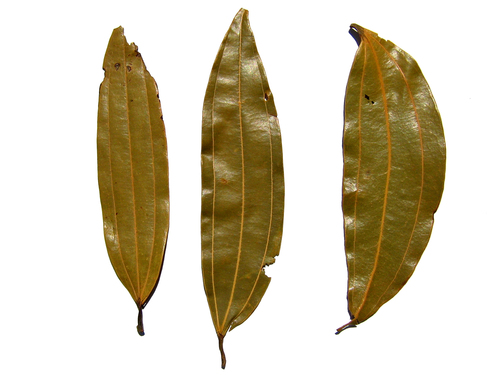
Aniba firmula
(Nees & Martius) Mez
Pichurim Bean, Toda specie
iNaturalist· cc-by-nc
(c) Geovane Siqueira, some rights reserved (CC BY-NC), uploaded by Geovane Siqueira
iNaturalist· cc-by-nc
(c) Geovane Siqueira, some rights reserved (CC BY-NC), uploaded by Geovane Siqueira
iNaturalist· cc-by-nc
(c) Geovane Siqueira, some rights reserved (CC BY-NC), uploaded by Geovane Siqueira
Description
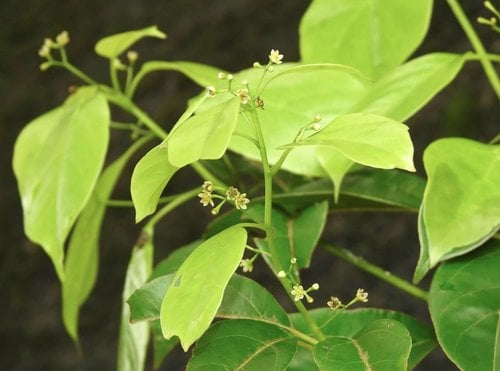
A tree. It grows 10 m tall. The leaves are narrowly oval and 6-23 cm long by 2-6 cm wide. The fruit is an oval berry 3 cm long by 1.6 cm wide.
This description is brief — help expand it
Edible Uses
The seeds are grated like nutmeg and used as a flavouring.
Traditional Uses
The seed is grated like a nutmeg.
This uses section is brief — help expand it
Medicinal Uses
The seed is traditionally grated and used as a nutmeg substitute.
Distribution
A tropical plant. It grows in high forest.
Where It Grows
Amazon, Brazil, Guiana, South America,
Cultivation
Prefers a shady position. Plants are found mainly in clayey soils in the wild.
Propagation
Seed - best sown as soon as it is ripe. Sow the seed in individual containers in light shade. The germination rate is usually low, occurring in 4 - 6 weeks.
Other Uses
The aromatic wood is cross-grained, of medium texture, moderately heavy, hard, resistant and very durable. It is used for various purposes in construction, such as beams, scantlings, laths and door jambs; for making furniture, door and window frames. The tree is suitable for the reforestation of uncultivated lands.
Notes
There are about 40 Aniba species.
Synonyms
Also Known As
Canela, Canela-rosa, Canela-sassafras
References (4)
- Bircher, A. G. & Bircher, W. H., 2000, Encyclopedia of Fruit Trees and Edible Flowering Plants in Egypt and the Subtropics. AUC Press. p 28
- Hedrick, U.P., 1919, (Ed.), Sturtevant's edible plants of the world. p 89
- Kermath, B. M., et al, 2014, Food Plants in the Americas: A survey of the domesticated, cultivated and wild plants used for Human food in North, Central and South America and the Caribbean. On line draft. p 60
- Menninger, E.A., 1977, Edible Nuts of the World. Horticultural Books. Florida p 80