Aniba canelilla
(Humboldt, Bonpland & Knuth) Mez
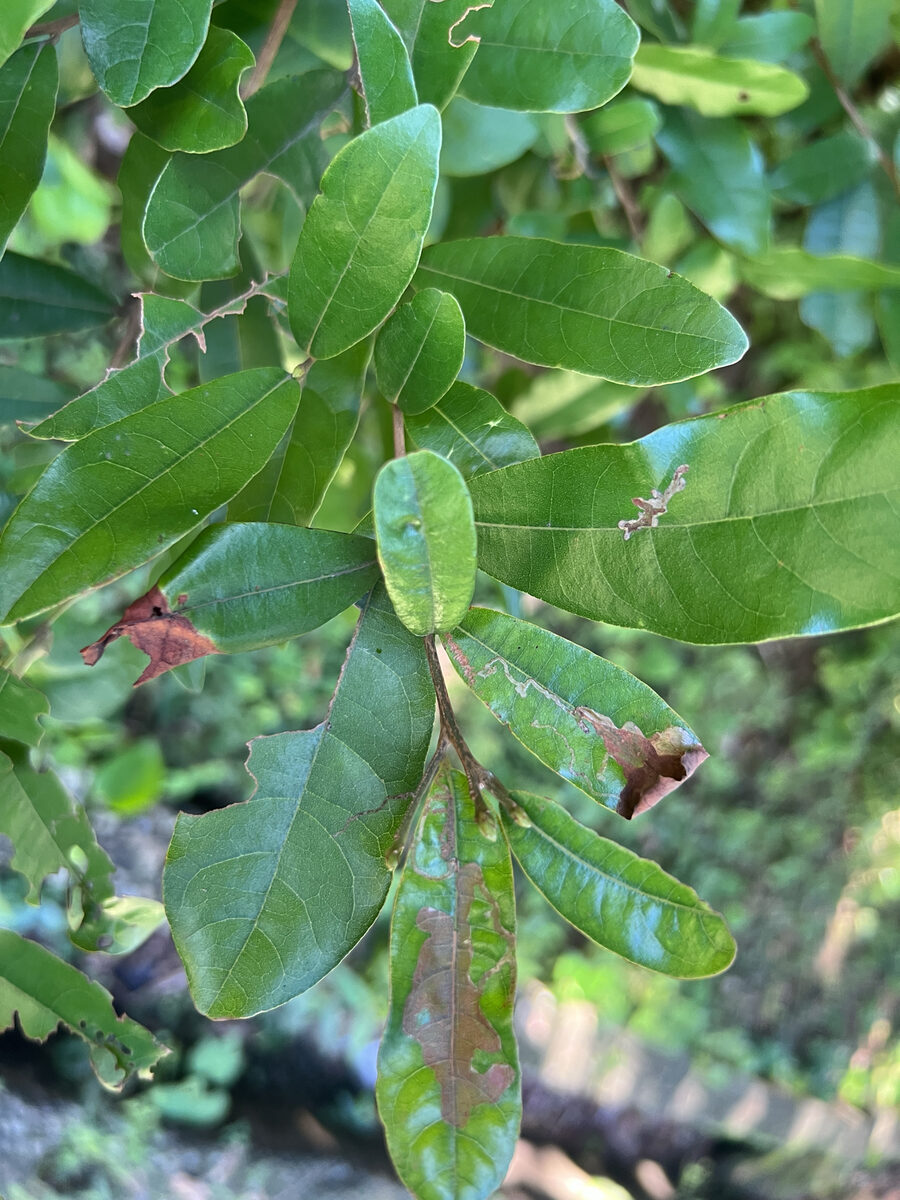
Canelilla aniba
iNaturalist· cc-by-nc
(c) Geovane Siqueira, some rights reserved (CC BY-NC), uploaded by Geovane Siqueira
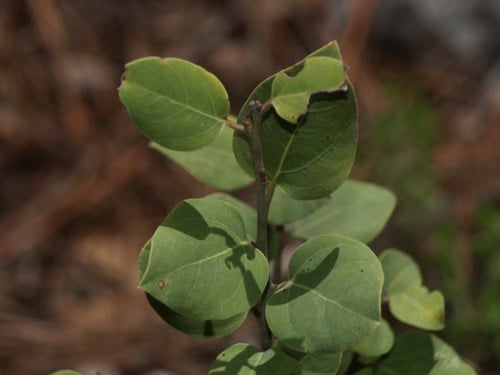
iNaturalist· cc-by-nc
(c) Geovane Siqueira, some rights reserved (CC BY-NC), uploaded by Geovane Siqueira
Description
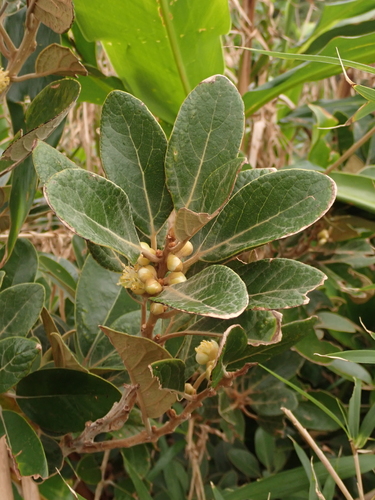
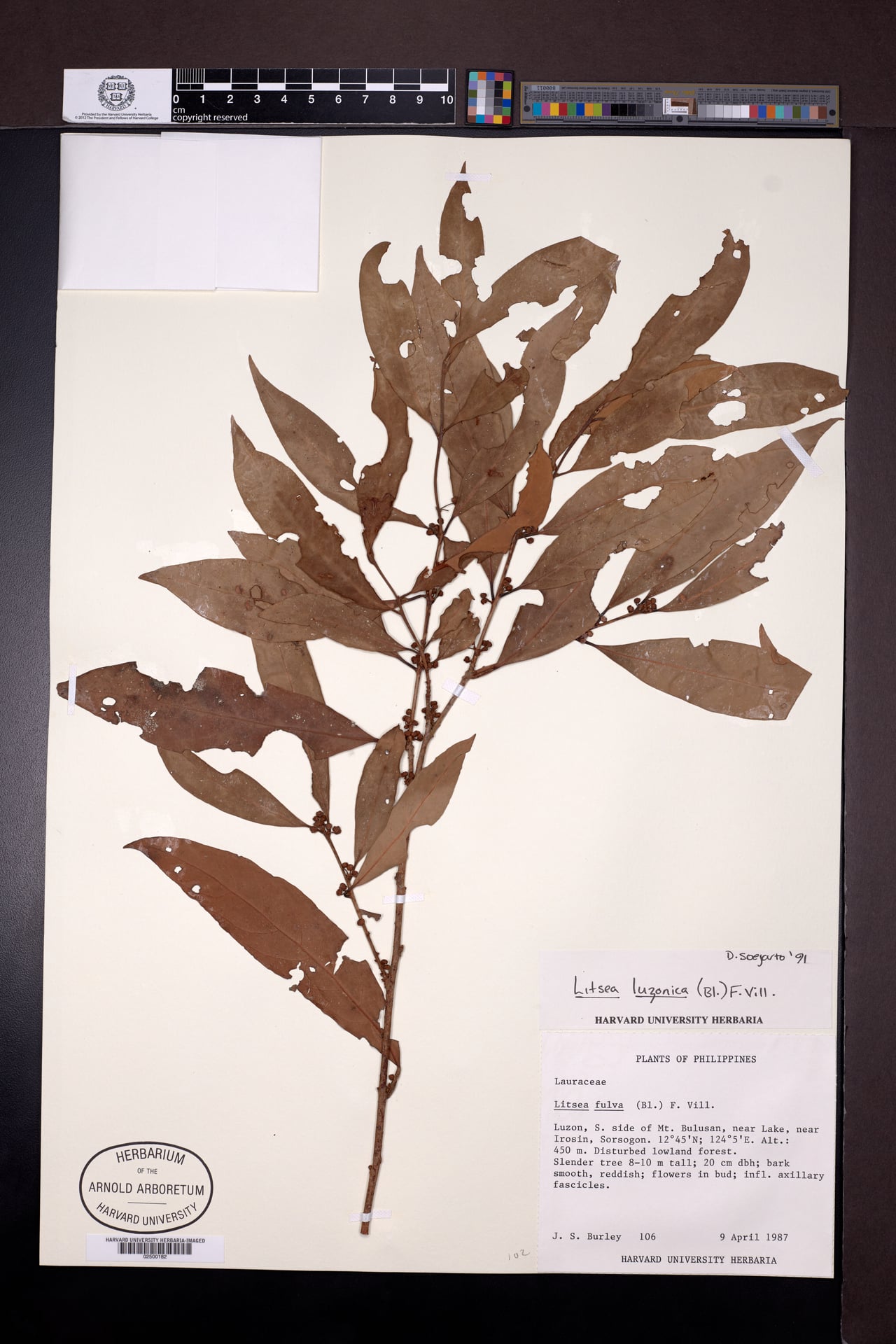
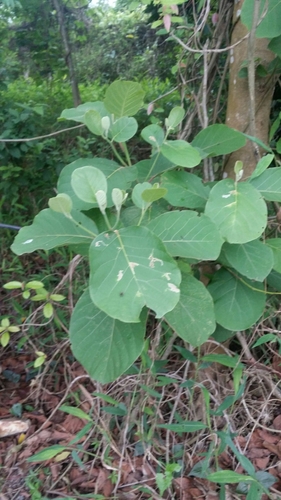
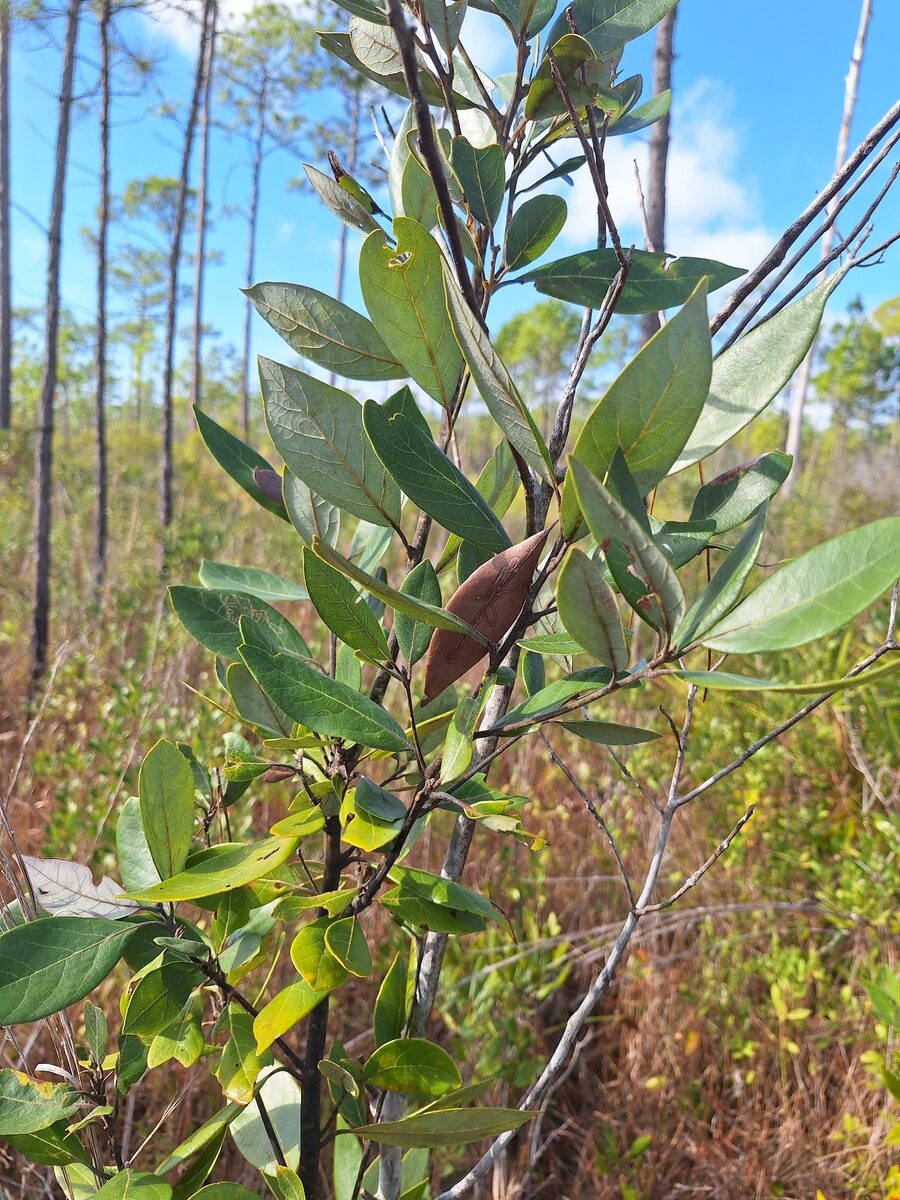
A large tree. It grows 30 m high. The trunk is 75 cm across. The bark has a smell of cinnamon. The leaves are narrowly oval or sword shaped and 9-23 cm long by 3-9 cm wide. The leaf stalks have grooves along them. The flowers are yellow. They have a scent. The fruit is an oblong berry.
Edible Uses
The cinnamon-flavoured bark is used to make a stimulating, aromatic tea. However, constant drinking of the tea is said to weaken the body.
Traditional Uses
The cinnamon flavoured bark and leaves are used for flavouring.
This uses section is brief — help expand it
Medicinal Uses
The bark, and the essential oil obtained from the wood, are analgesic, antibacterial, anticonvulsant, antidepressant, antimicrobial, antiseptic, antispasmodic, aphrodisiac, deodorant, digestive, pectoral, stimulant and tonic. They are used in the treatment of acne, colds, coughs, dermatitis, dropsy, fevers, frigidity, headaches, infections, nausea, nervous tension, skin care and wounds. A decoction of the bark is used to cure dysentery, diarrhoea and fevers. The smoke from the burned bark is rubbed over the body to treat diarrhoea. The rasped seed is used as a treatment for dysentery. The plant contains alkaloids. The strong, cinnamon smell of the bark is due to the nitrocompound 1-nitro-2-phenylethane. Other volatile constituents include eugenol and methyl-eugenol.
Distribution
A tropical plant.
Where It Grows
Amazon, Bolivia, Brazil, Colombia, Guyana, Peru, South America, Venezuela,
Other Uses
The aromatic bark has the mixed odours of cinnamon and roses. It is powdered and used for perfuming linen. An essential oil is obtained from the wood. The heartwood is brownish yellow. The grain is irregular, lustre medium. The wood is very durable and resistant to insects. It is used for construction, turnery and furniture.
Notes
There are about 40 Aniba species.
Synonyms
Also Known As
Canelilla, Canelao, Canelo, Casca pretiosa, Casea-preciosa, Kuirava-yek, Louro-precioso, Maipaima-yek, Moena, Oriniko cimmamom, Preciosa, Roble
References (5)
- Bircher, A. G. & Bircher, W. H., 2000, Encyclopedia of Fruit Trees and Edible Flowering Plants in Egypt and the Subtropics. AUC Press. p 28
- Etkin, N.L. (Ed.), 1994, Eating on the Wild Side, Univ. of Arizona. p 136
- Grandtner, M. M. & Chevrette, J., 2013, Dictionary of Trees, Volume 2: South America: Nomenclature, Taxonomy and Ecology. Academic Press p 33
- Kermath, B. M., et al, 2014, Food Plants in the Americas: A survey of the domesticated, cultivated and wild plants used for Human food in North, Central and South America and the Caribbean. On line draft. p 60
- Seidemann J., 2005, World Spice Plants. Economic Usage, Botany, Taxonomy. Springer. p 43