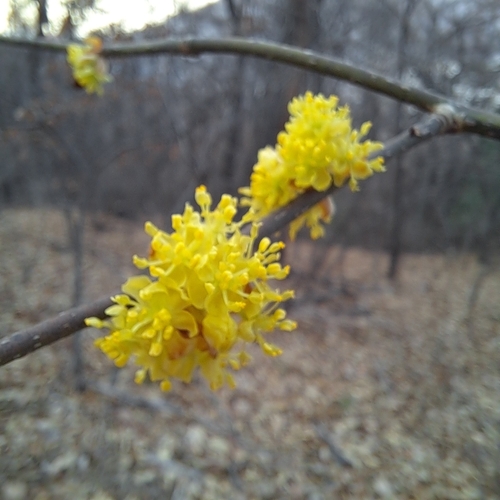
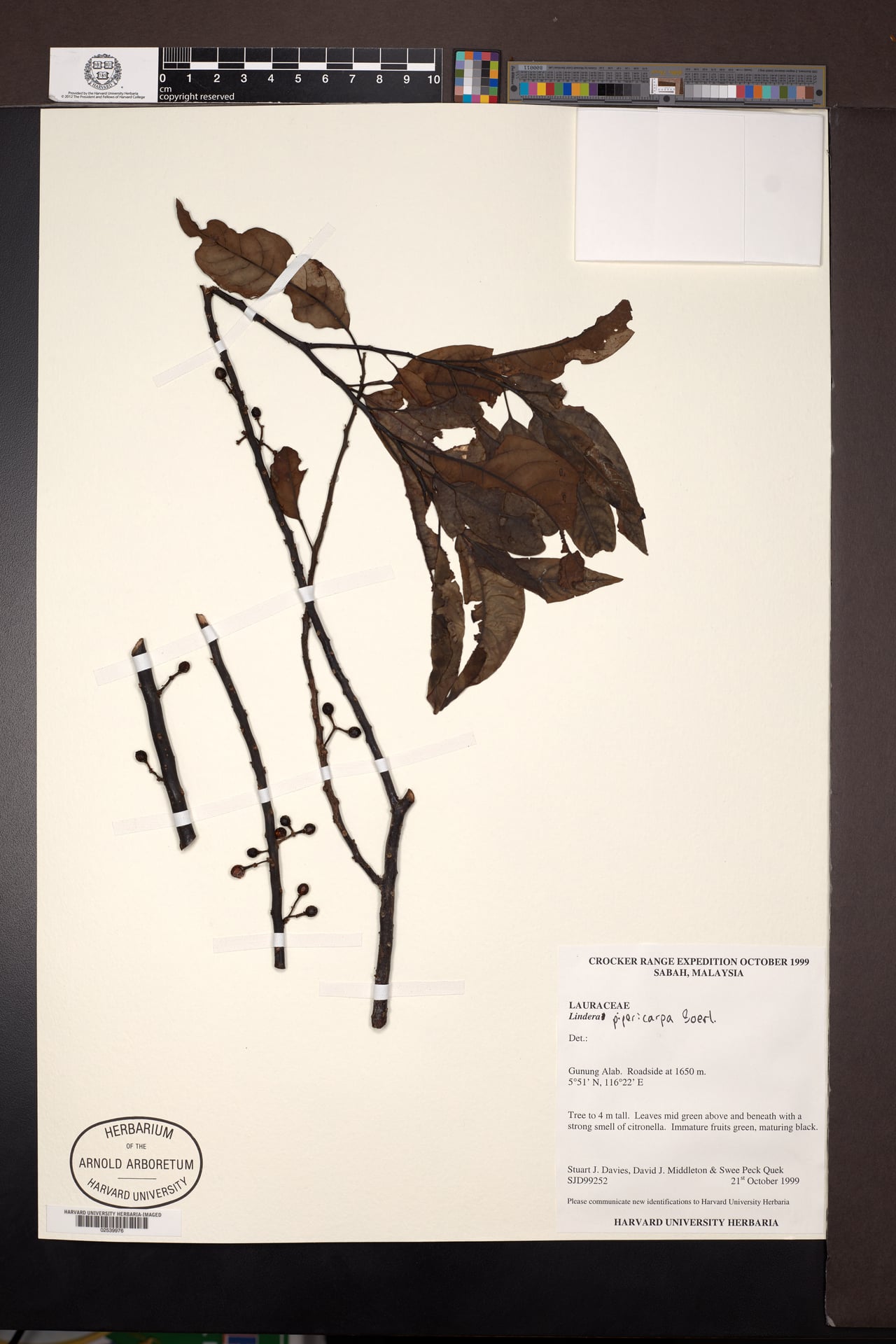
Beilschmiedia anay
(Blake) Kosterm.
Anay
iNaturalist· cc-by-sa
(c) Leticia Jiménez Hernández, some rights reserved (CC BY-SA), uploaded by Leticia Jiménez Hernández
iNaturalist· cc-by-nc
(c) rafamier, some rights reserved (CC BY-NC)
Description
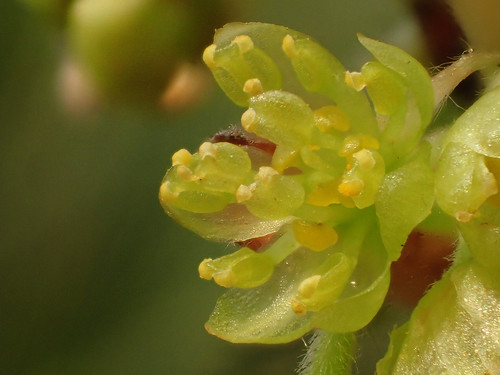
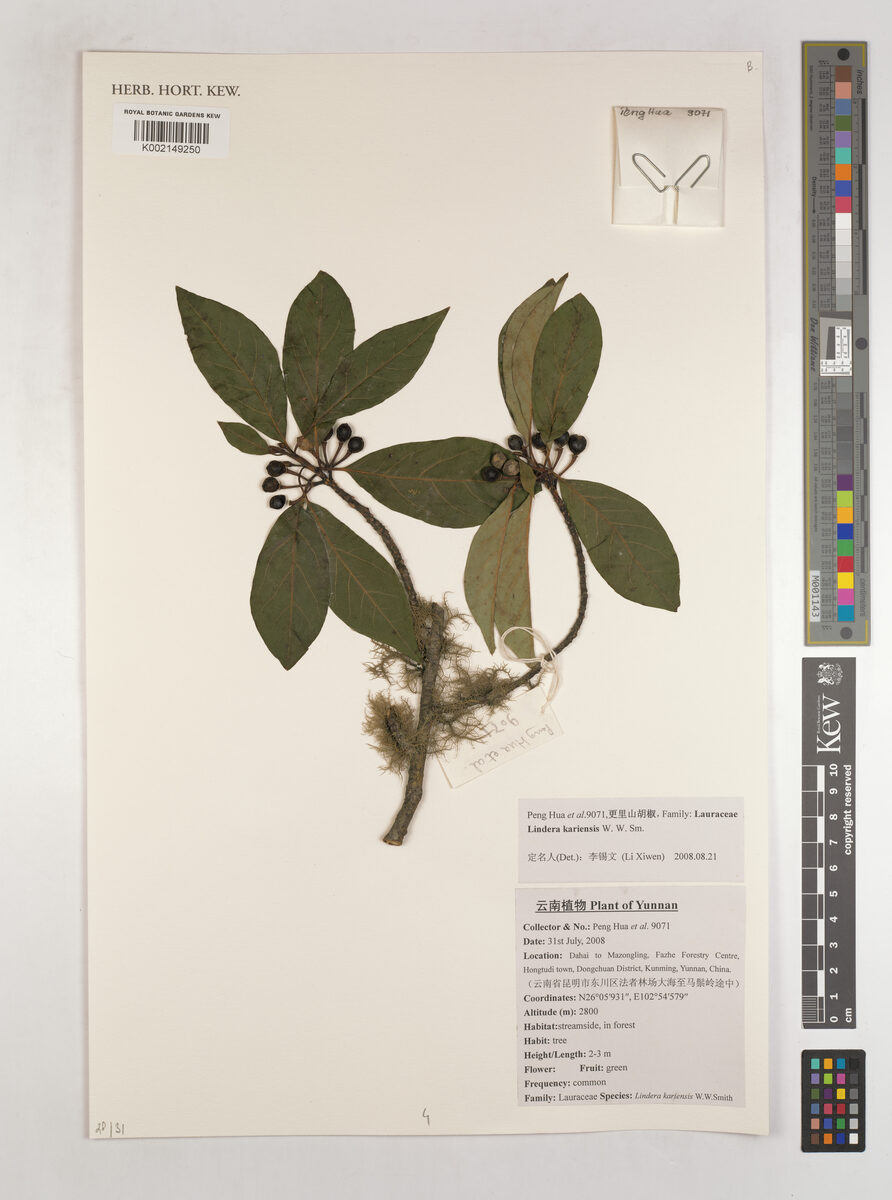
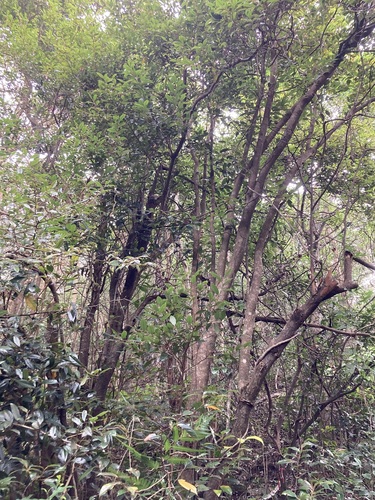
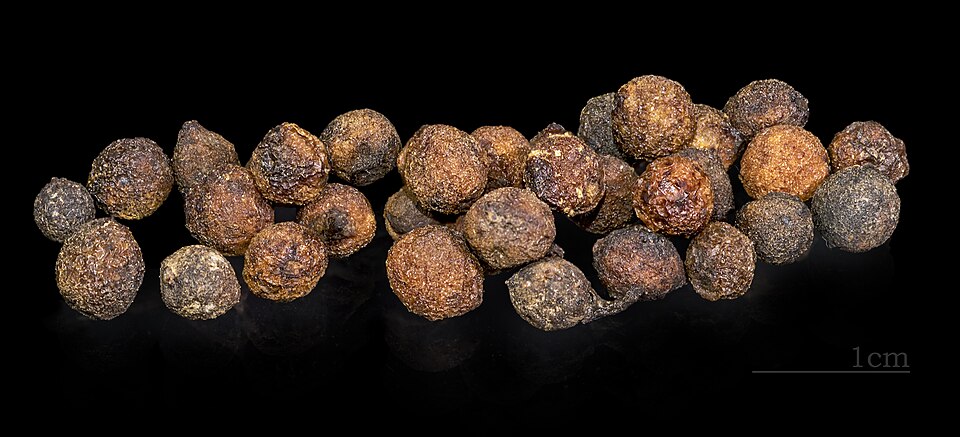
A tree. It grows 20 m high. The young branches have brown hairs. The leaves are leathery. They are broadly oval. They are 12-30 cm long by 8-19 cm wide. The flowers are green and are in slender groups 13 cm long. They have a scent. The fruit are small and pear shaped. They are 7-15 cm long. The skin is shiny and purple to black. They have yellow flesh. It is oily. The fruit falls and ripens after 2-3 days.
Edible Uses
Fruit - raw. The yellow flesh is rich in oil and has a rich flavour. The glossy-black, thin-skinned fruit is pear-shaped, about 10 - 15cm long and containing a single large seed.
Traditional Uses
The fruit are eaten fresh.
This uses section is brief — help expand it
Distribution
A tropical plant. It grows in lower altitude moist locations. It grows between 300-700 m altitude in Central America.
Where It Grows
Central America, Colombia, Costa Rica, Guatemala, Mexico, North America, South America,
Other Uses
The wood is used for house construction. The wood is used for fuel. The tree is used to provide shade in coffee plantations.
Notes
There are about 100-250 Beilschmeidia species. They are in the tropics.
Synonyms
Also Known As
Aguacate de puerco, Anay, Escalan, Payta
References (9)
- Bost, J. B., 2009, Edible plants of the Chinantla, Oazaca, Mexico. Master's thesis University of Florida. p 40
- Facciola, S., 1998, Cornucopia 2: a Source Book of Edible Plants. Kampong Publications, p 138
- Hellmuth, N. M., 2011, Maya Ethnobotany. Complete Inventory of plants. Associacion FLAAR Mesoamerica. Tenth edition. (As Hufelandia anay)
- Hermandez Bermejo, J.E., and Leon, J. (Eds.), 1994, Neglected Crops. 1492 from a different perspective. FAO Plant Production and Protection Series No 26. FAO, Rome. p15
- Kermath, B. M., et al, 2014, Food Plants in the Americas: A survey of the domesticated, cultivated and wild plants used for Human food in North, Central and South America and the Caribbean. On line draft. p 125
Show all 9 references Hide references
- Martin, F. W., et al, 1987, Perennial Edible Fruits of the Tropics. USDA Handbook 642 p 97
- Morton, J. F., 1987, Fruits of Warm Climates. Wipf & Stock Publishers p 85
- Piedra-Malagón, E. M., et al, 2022, Edible native plants of the Gulf of Mexico Province. Biodiversity Data Journal 10: e80565 p 20
- Segura, S., et al, 2018, The edible fruit species in Mexico. Genet Resour Crop Evol (2018) 65:1767–1793