Cinnamomum porrectum
(Roxb.) Kosterm.
Kemangi cinnamon tree
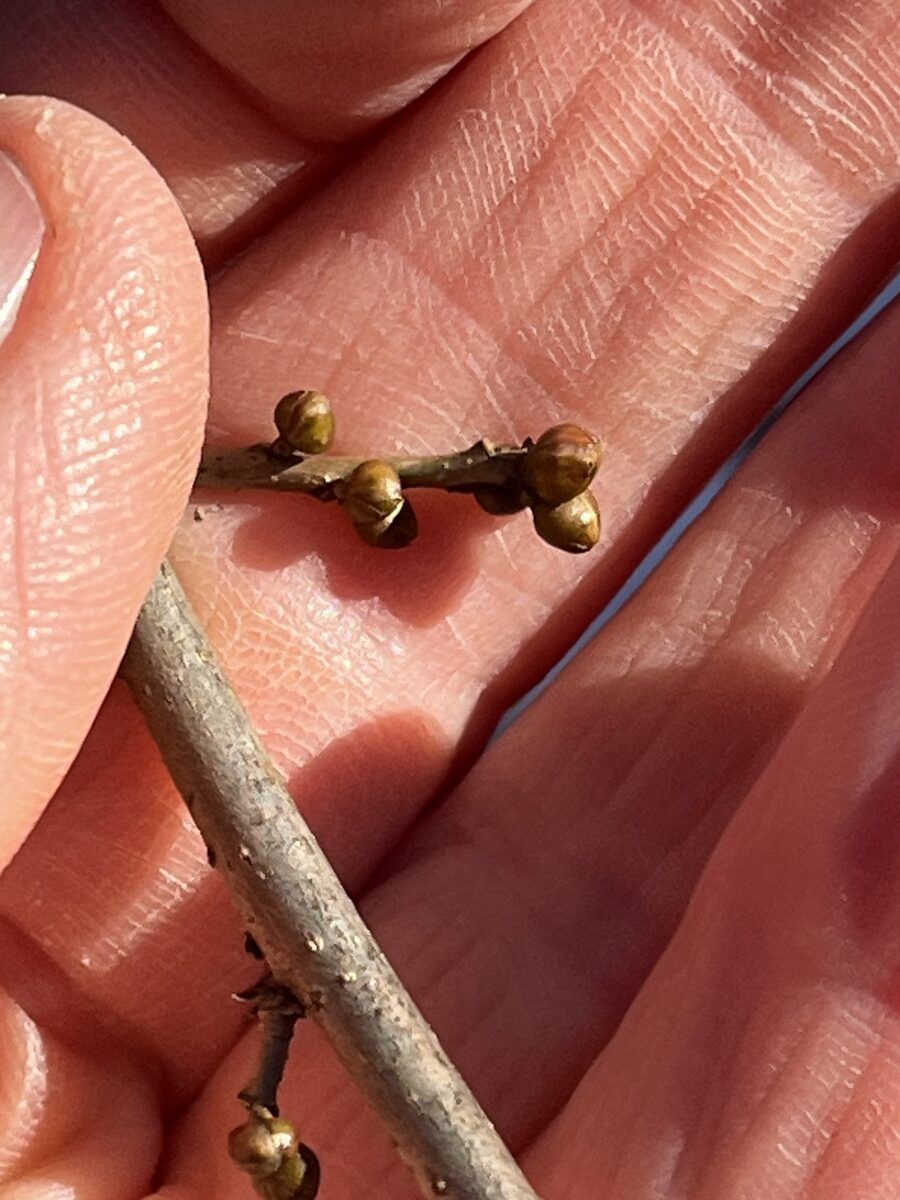
iNaturalist· cc-by-nc
(c) Alan Kwok (King Lun), Ada Tai (Ah Heung) / 阿達蘭 AdAlan, some rights reserved (CC BY-NC)
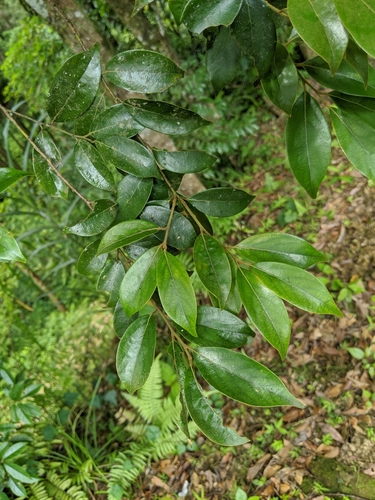
iNaturalist· cc-by-nc
(c) Alan Kwok (King Lun), Ada Tai (Ah Heung) / 阿達蘭 AdAlan, some rights reserved (CC BY-NC)
iNaturalist· cc-by-nc
(c) Alan Kwok (King Lun), Ada Tai (Ah Heung) / 阿達蘭 AdAlan, some rights reserved (CC BY-NC)
Description
A large tree. It can lose many leaves during the year. It grows 30 m tall. The bark is whitish. It has a aroma and forms cracks. The leaves are narrowly oval and 5-15 cm long by 3-6 cm wide. They have a sharp tip. The flowers have both sexes and are in groups near the ends of branches. The groups are 8-10 cm long. The fruit are a flattened round shape and 8 mm across.
Edible Uses
The aromatic bark of Camphora parthenoxylon is used for flavoring, like that of many other Cinnamomum species. The wood and fruit emit a strong camphor scent that repels insects, and the essential oils from its wood and leaves, known as "camphora oil", are effective in controlling household pests. The bark extract has also shown medicinal potential; in rats, it was found to reduce postprandial hyperglycemia. The durable, insect-resistant wood is valued for shipbuilding, furniture, and artwork, while the seeds can be processed into soap. Additionally, its straight trunk and large canopy make it an excellent shade tree for streets and parks. In Indonesia, the flowers hold cultural significance, symbolizing love and the connection between the living and the dead. In Kudus Regency, Java, they were traditionally scattered on tombs by family members. However, the tree is under significant pressure from harvesting for safrole, a compound used to produce the pesticide synergist piperonyl butoxide, the flavor and fragrance compound piperonal, and the psychoactive drug MDMA. Much of this illicit collection occurs in Cambodia's Cardamom Mountains and Botum Sakor National Park, a situation explored in the 2009 TV documentary Forest of Ecstasy, an episode of Vanguard.
Traditional Uses
The bark is used for flavouring food.
This uses section is brief — help expand it
Distribution
A tropical plant. It grows in hilly country but at low altitudes.
Where It Grows
Asia, China, Indochina, Indonesia, Malaysia, SE Asia, Thailand, Vietnam,
Cultivation
Plants can be grown from seeds.
Other Information
It is a cultivated food plant.
Notes
There are about 250 Cinnamomum species.
Synonyms
Also Known As
Chinta mula hitam, Huru pedes, Kayu gadis, Ki pedes, Laso, Mai zong, Medang benar, Medang kewangi, Medang serai, Pohon kayumanis kemangi, Selasihan, Teja lawang, Teja, Zong guan, Zong hai
References (4)
- Burkill, I.H., 1966, A Dictionary of the Economic Products of the Malay Peninsula. Ministry of Agriculture and Cooperatives, Kuala Lumpur, Malaysia. Vol 1 (A-H) p 561 (As Cinnamomum parthenoxylon)
- PROSEA handbook Volume 13 Spices. p 275
- Seidemann J., 2005, World Spice Plants. Economic Usage, Botany, Taxonomy. Springer. p 103
- Sukarya, D. G., (Ed.) 2013, 3,500 Plant Species of the Botanic Gardens of Indonesia. LIPI p 199
More from Lauraceae
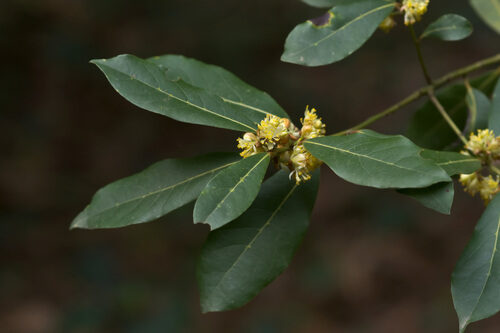
Laurus nobilis
Bay Tree, Sweet bay, Grecian Laurel, True Laurel
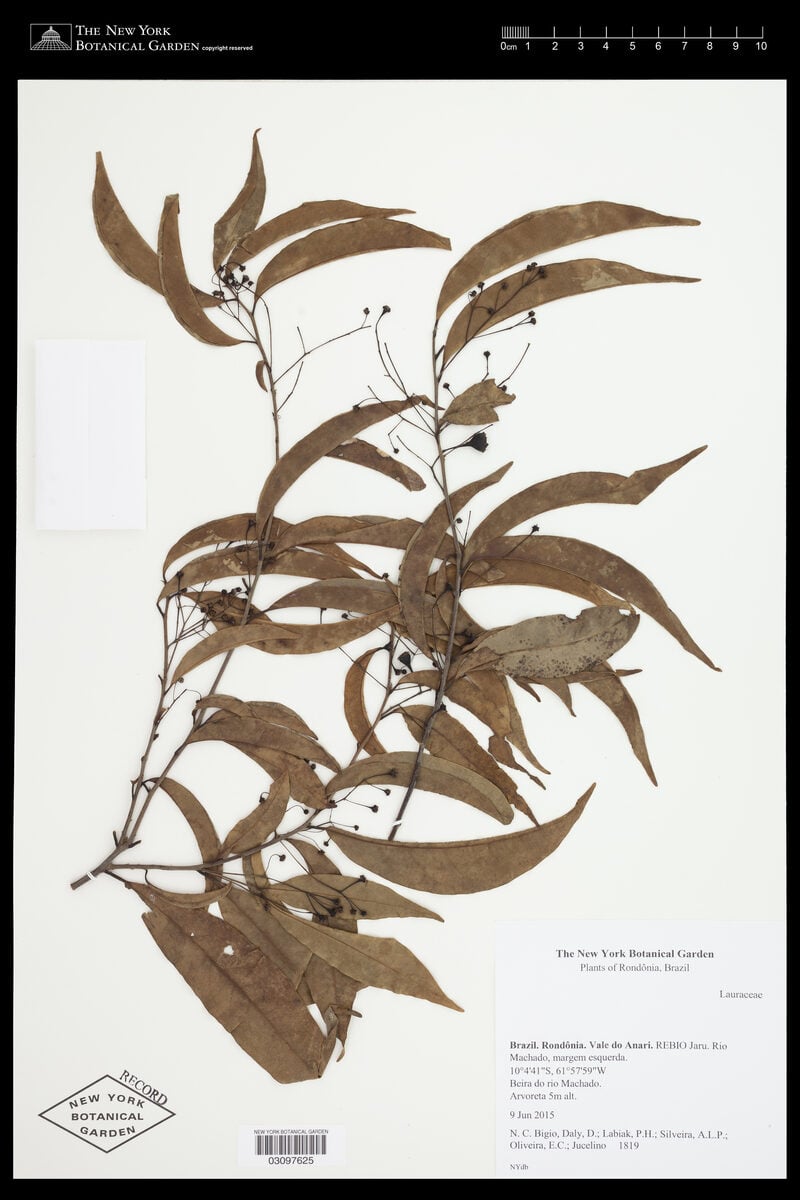
Licaria armeniaca
Apricot colour licaria
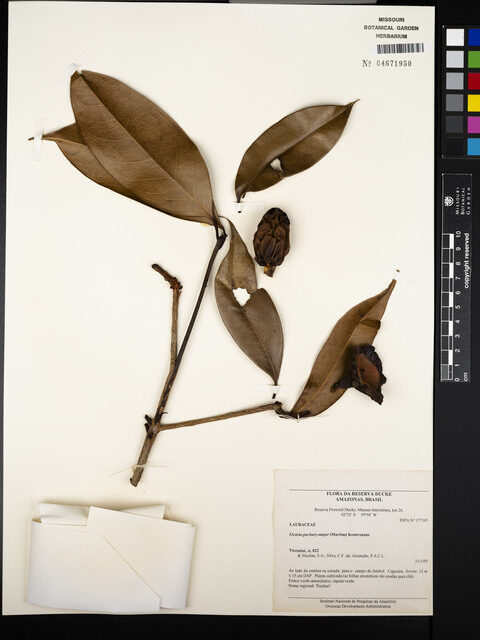
Licaria puchury-major
Amazon licaria
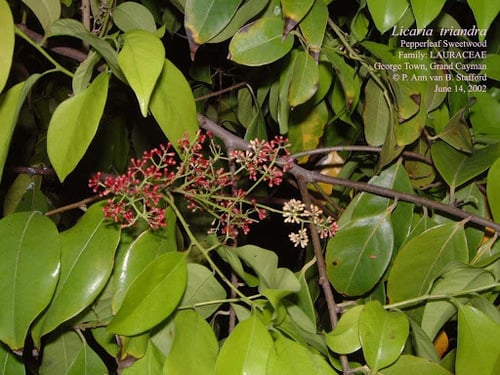
Licaria triandra
Florida licaria, Gulf licaria
Lindera benzoin - (L.)Blume.
Spice Bush, Northern spicebush, Bush Northern Spice
Lindera communis
Ta-hsiang-yieh-tzu-shu