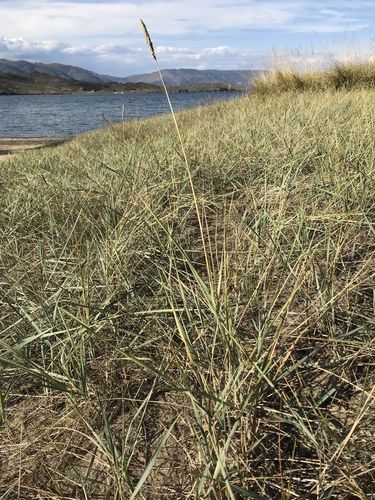
Ischaemum rugosum
Salisbury
iNaturalist· cc-by-nc-sa
(c) IRRI Photos, some rights reserved (CC BY-NC-SA)
iNaturalist· cc-by-nc
(c) naturalistchu, some rights reserved (CC BY-NC)
Summary
Source: WikipediaIschaemum rugosum, also known as saramollagrass, is a flowering plant belonging to the grass family Poaceae in the genus Ischaemum, and is native to tropical and temperate regions of Asia, growing in marshes and other wet habitats. It is a vigorous annual, and is an invasive species in South America and Madagascar. It reaches heights of up to 1 m and is primarily recognized by the ridged surface of its sessile spikelet's lower glume. Despite its historic importance as fodder in Asia, the grass has become a major weed in mid-latitude rice paddies throughout Asia and South America.
Description
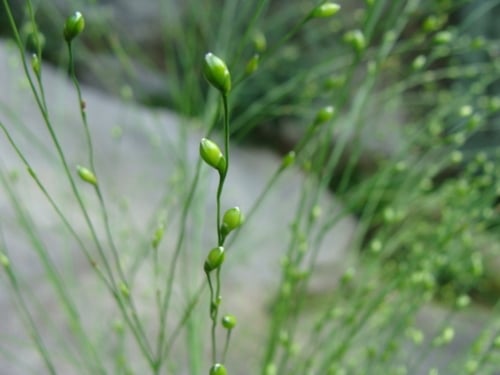
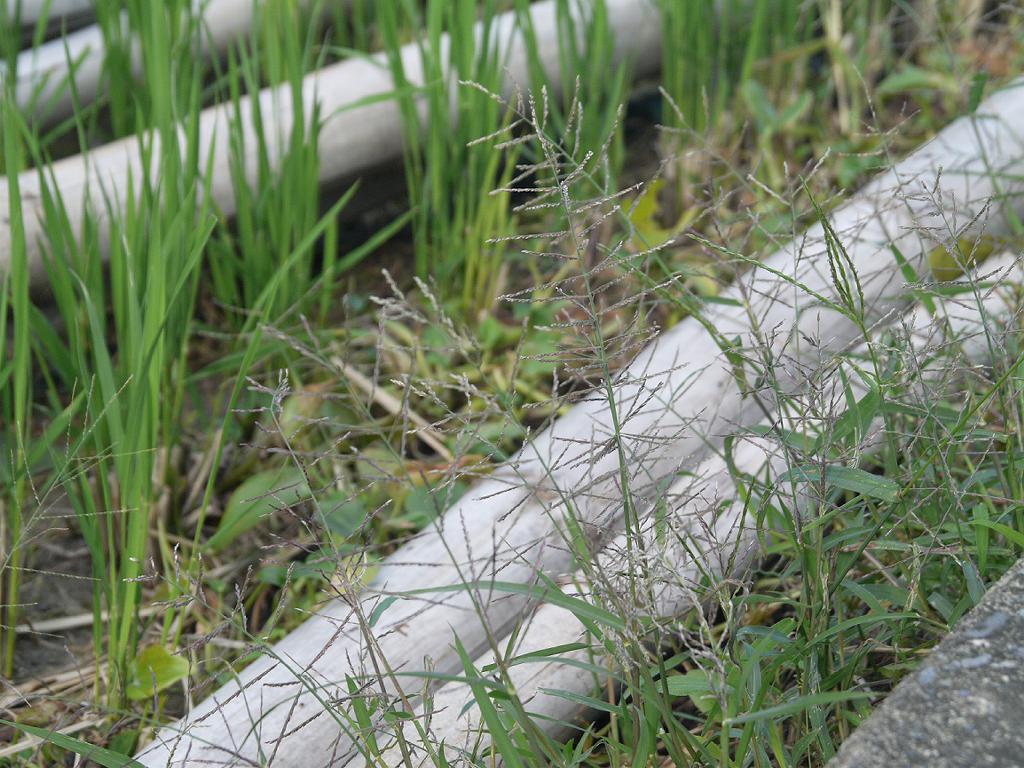
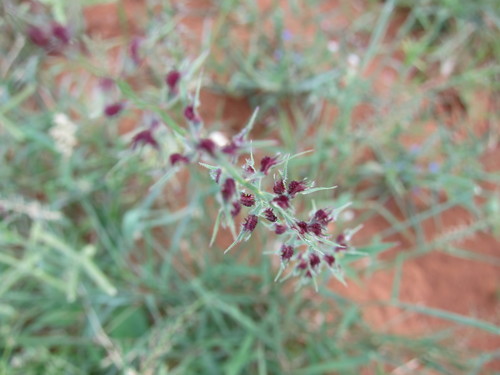
An annual grass. It can last longer. It is a straggling plant and grows 10-100 cm high. The leaf blades are 5-30 cm long by 3-15 mm wide. They are slightly hairy. The seed grains are oblong.
Edible Uses
The oblong seed grains are eaten as a cereal.
Traditional Uses
The seed grains are eaten.
This uses section is brief — help expand it
Distribution
A tropical plant. It grows in the tropics in Asia. It grows in wet places and rice fields. It grows in wet grass savannah. In Sikkim it grows between 100-1,800 m above sea level.
Where It Grows
Africa, Asia, Australia, Bhutan, Burkina Faso, China, East Africa, Guiana, Guianas, Guinea, Guinée, Guinea-Bissau, Guyana, Himalayas, India, Indochina, Indonesia, Madagascar, Malaysia, Mozambique, Myanmar, Nepal, Pakistan, Philippines, SE Asia, Sierra Leone, Sikkim, South America, Sri Lanka, Suriname, Thailand, Venezuela, West Africa,
Cultivation
A plant mainly of the moist, lowland tropics, though it also occurs at elevations of up to 2,400 metres in the Philippines. Although a sun-loving plant, it can persist in sites receiving only 30 - 35% of full sunlight. It is particularly well adapted to wet sites, and is often found in rice fields or low lying areas that are periodically flooded. It tolerates acid soils of pH 4.0. The plant is an opportunistic and effective coloniser of open, disturbed or newly cleared areas. It has become a serious weed in many crops, particularly in rice fields.
Other Uses
When growing wild, the plant provides suitable material for compost and mulch.
Other Information
It is a famine food.
Notes
There are about 50 Ischaemum species. It is a weed of rice fields.
Synonyms
Also Known As
Babyo, Badaul, Bar, Bardi, Barocoro, Bhador, Bher, Bulude-faro, Demba-djidam, Dhanua, Djilamba, Jalgundya, Jara, Joya-jha, Kadukken pillu, Kagyi-the-myet, Karkel, Keo, Lag, Marainda, Maror, Marudi, Mehat, Moraro, Munmuna, Murchi, Murdi, Nga-thatoung, Nhamaquintio, Tana-m'bale, Tetkwet, Toli, Tori, Tudi
References (7)
- Ambasta, S.P. (Ed.), 2000, The Useful Plants of India. CSIR India. p 296
- Burkill, I.H., 1966, A Dictionary of the Economic Products of the Malay Peninsula. Ministry of Agriculture and Cooperatives, Kuala Lumpur, Malaysia. Vol 2 (I-Z) p 1274
- Flora of Pakistan. www.eFloras.org
- Icon. stirp. rar. 1, t. 1. 1791
- Singh, H.B., Arora R.K.,1978, Wild edible Plants of India. Indian Council of Agricultural Research, New Delhi. p 84
Show all 7 references Hide references
- Swapna, M. M. et al, 2011, A review on the medicinal and edible aspects of aquatic and wetland plants of India. J. Med. Plants Res. 5 (33) pp. 7163-7176
- World Checklist of Useful Plant Species 2020. Royal Botanic Gardens, Kew