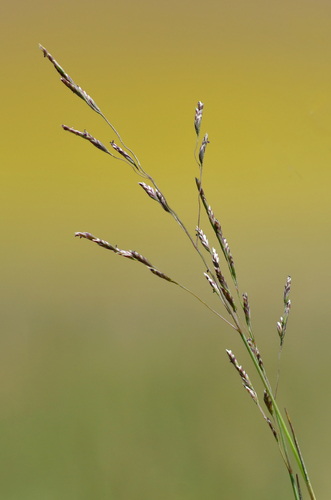
Kaokochloa nigrirostris
De Winter
Kaoko grass
wikimedia· cc-by-sa
Wikimedia Commons - Meise Botanic Garden
gbif· cc0
President and Fellows of Harvard College
gbif· cc-by-sa
GBIF
Description
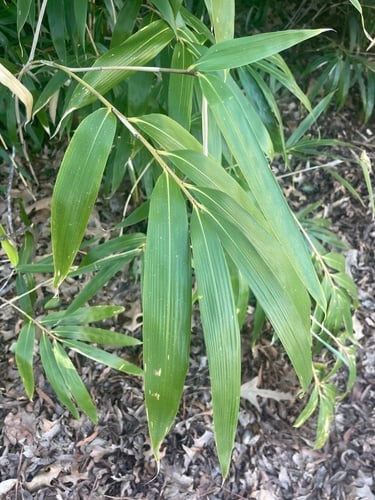
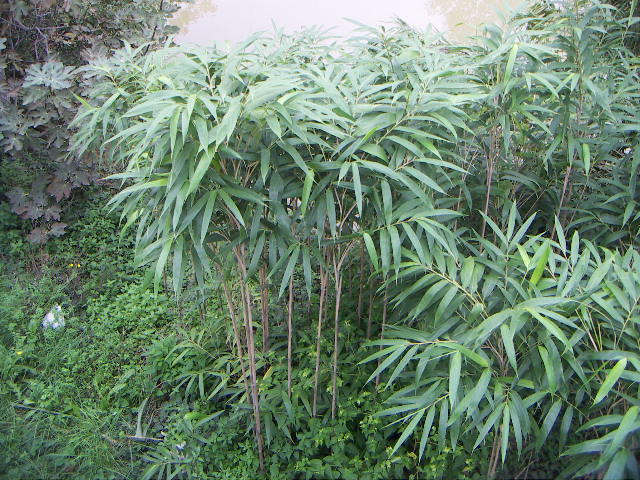
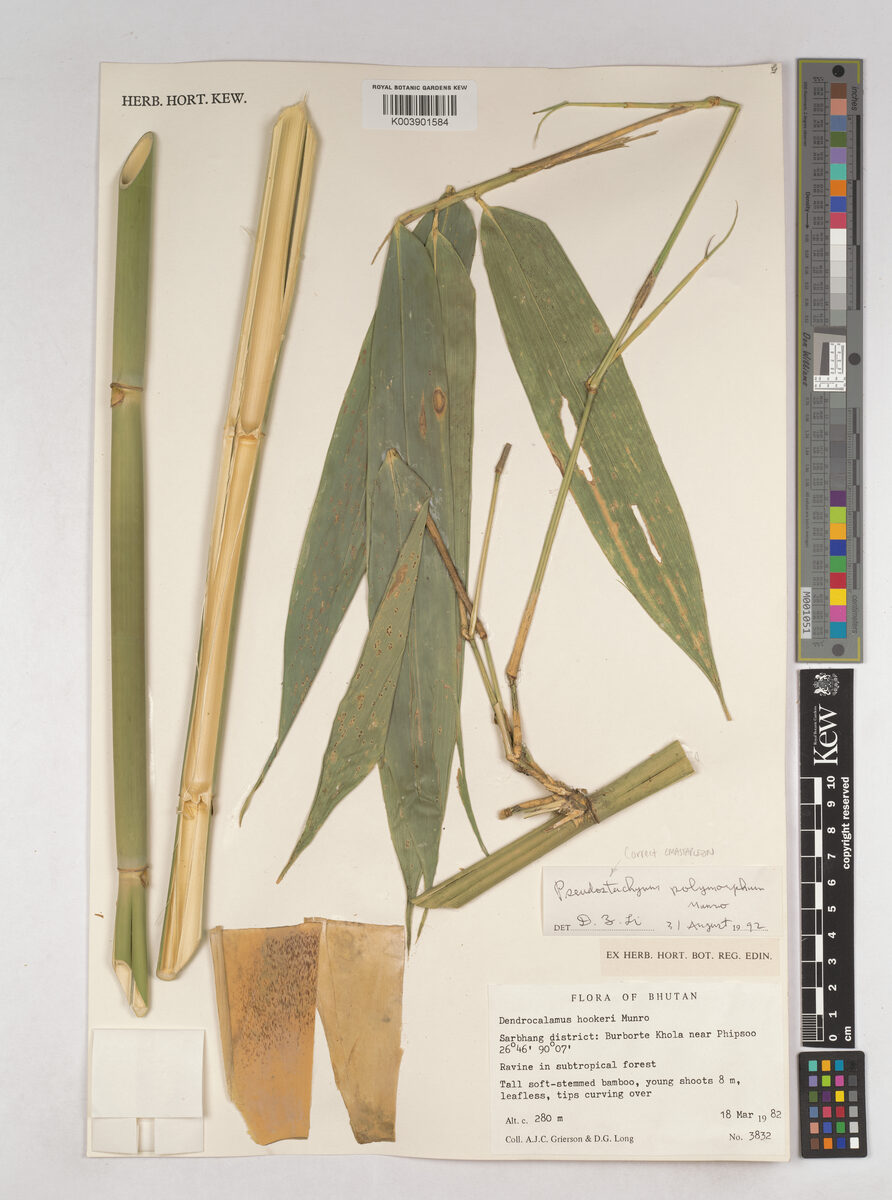
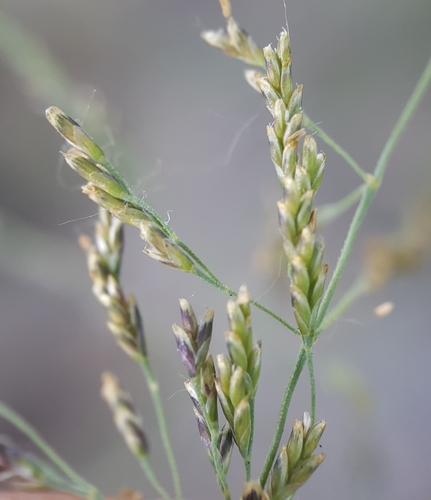
A herb. It is an annual grass. It is erect and forms loose tufts. The aerial parts have an unpleasant smell. It grows 60 cm high. The leaf blades are 5-12 cm long and 1 cm wide.
Edible Uses
The seeds are eaten as a snack and harvested as a cereal.
Traditional Uses
The seeds are eaten as a snack.
This uses section is brief — help expand it
Distribution
It is a subtropical plant. It grows in hot arid places. It grows in areas with an annual rainfall less than 50 mm. It is often over limestone material. It grows in dry sandy and stony soils. It grows between 600-1,000 m above sea level. It can grow in arid places.
Where It Grows
Africa, Angola, Central Africa, Namibia, South Africa, Southern Africa,
Production
The seeds are often collected from harvester ant nests. The seeds are hard to grind.
Notes
It has a C4 pathway.
Also Known As
Omurontji
References (4)
- Royal Botanic Gardens, Kew (1999). Survey of Economic Plants for Arid and Semi-Arid Lands (SEPASAL) database. Published on the Internet; http://www.rbgkew.org.uk/ceb/sepasal/internet [Accessed 3rd June 2011]
- Ruiters-Welcome, A. K., 2019, Food plants of southern Africa. Ph.D. thesis. Univ. of Johannesburg p 87
- Welcome, A. K. & Van Wyk, B.-E., 2019, An inventory and analysis of the food plants of southern Africa. South African Journal of Botany 122 (2019) 136–179
- World Checklist of Useful Plant Species 2020. Royal Botanic Gardens, Kew