Leptochloa chinensis
(L.) Nees
Wikipedia· cc-by-sa
Wikimedia Commons - Leptochloa_chinensis_azegaya01.jpg
iNaturalist· cc-by
(c) scallions, some rights reserved (CC BY)
Summary
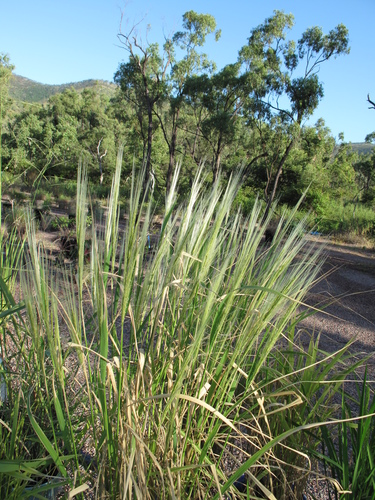
Source: WikipediaLeptochloa chinensis, commonly known as red sprangletop, Asian sprangletop, or Chinese sprangletop, is a species of grass in the family Poaceae. It is a serious weed of rice. It is native to regions of Africa, Asia, and Oceania. Places it is found include Japan, South Korea, Southeast Asia, Australia, Papua New Guinea, Eswatini, West Africa, Fiji and Samoa. It is known to be a pasture grass and is a livestock grazing feed grass specialty, but in some cases it is a common rice weed. The 1889 book 'The Useful Native Plants of Australia’ records that it is "an excellent pasture grass, much relished by stock; it has tender panicles, and grows from two to three feet high. It is not endemic in Australia but is found in New South Wales and Queensland"
Description
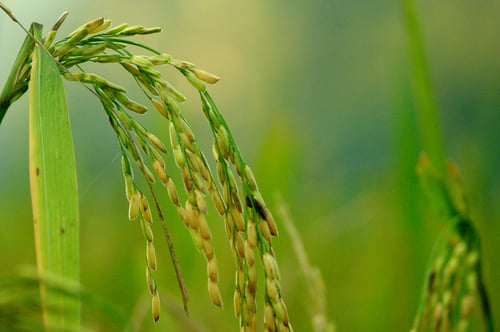
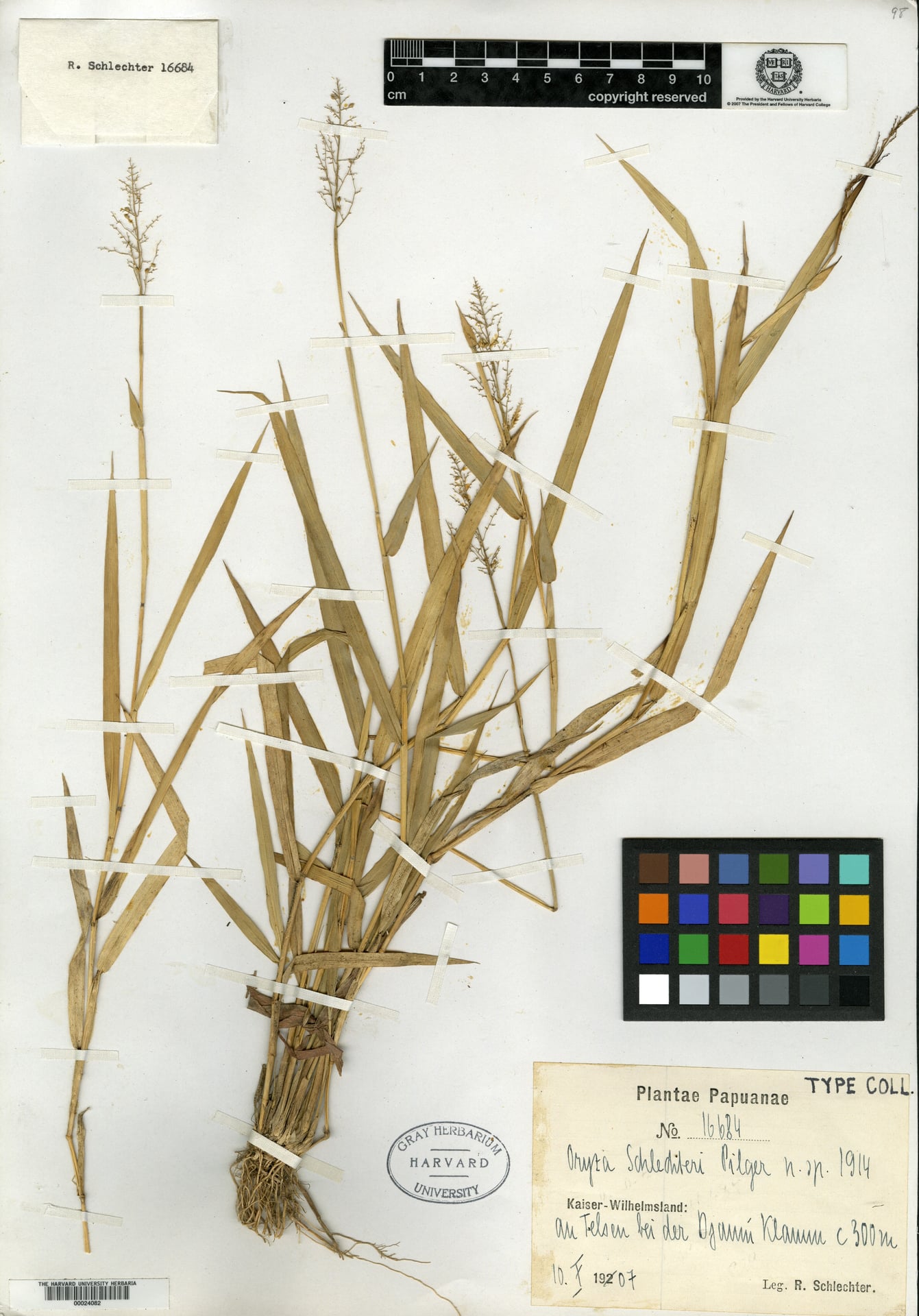
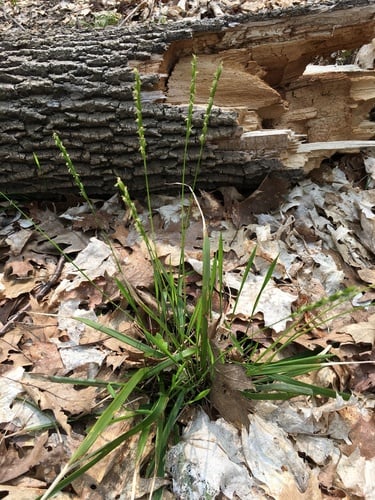
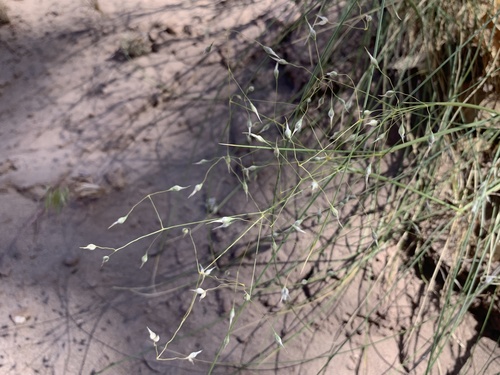
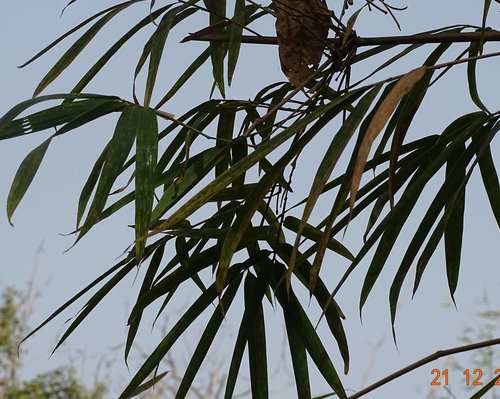
A cereal grass. It keeps growing from year to year. It grows 1 m tall. The leaf blades are 5-25 cm long by 2-9 mm wide. They can be flat or slightly rolled. The flowering shoots are 10-50 cm long. The seed is 7-9 mm long.
Edible Uses
The seeds and grain are eaten as cereal and used as a famine food.
Distribution
A tropical plant. It grows in clay soils between 460-910 m above sea level. It is usually in or near water. In southern China it grows in moist places between 200-1,000 m above sea level. It is rare in Swaziland. In Sichuan and Yunnan.
Where It Grows
Africa, Asia, Australia, Bhutan, Botswana, Cambodia, China, East Africa, Eswatini, Himalayas, India, Indochina, Indonesia, Japan, Kenya, Korea, Laos, Malaysia, Myanmar, Papua New Guinea, PNG, Philippines, SE Asia, South Africa, Southern Africa, Sri Lanka, Swaziland, Taiwan, Tanzania, Thailand, Vietnam, Zimbabwe,
Cultivation
A weed of rice, sugarcane, vegetables, cotton and corn, it is able to establish and grow profusely in waterlogged conditions before crops can take a hold. A serious weed in Indonesia, Philippines, Swaziland, Thailand; and a principal weed in India, Japan and Malaysia.
Other Information
It is a famine food.
Also Known As
Aeri pul, Chanhel, Cheepura gaddi, Daung-myet, Kadu sanna karisajjai hullu, Myet-kha, Myet-sat
References (5)
- Ambasta S.P. (Ed.), 2000, The Useful Plants of India. CSIR India. p 324
- Burkill, I.H., 1966, A Dictionary of the Economic Products of the Malay Peninsula. Ministry of Agriculture and Cooperatives, Kuala Lumpur, Malaysia. Vol 2 (I-Z) p 1355
- Syll. Pl. Nov. 1:4. 1824
- Swaziland's Flora Database http://www.sntc.org.sz/flora
- World Checklist of Useful Plant Species 2020. Royal Botanic Gardens, Kew