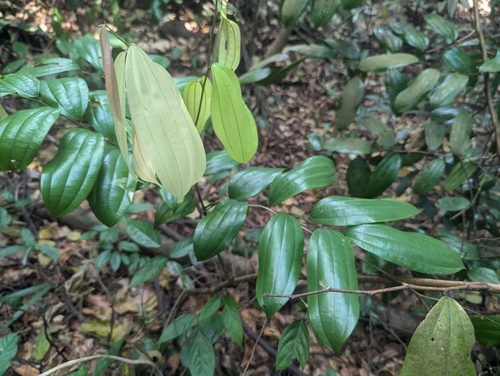
Sageretia filiformis
(Roth.) G.Don
Rhamnaceae Edible: Fruit
gbif· cc0
Royal Botanic Garden Edinburgh
gbif· cc0
Royal Botanic Garden Edinburgh
gbif· cc0
Royal Botanic Garden Edinburgh
Description
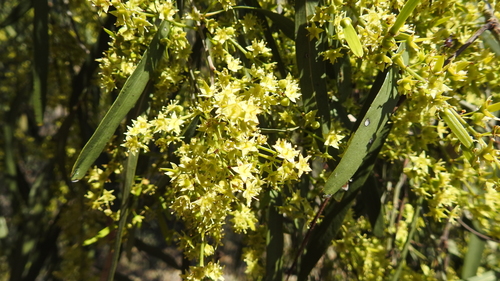
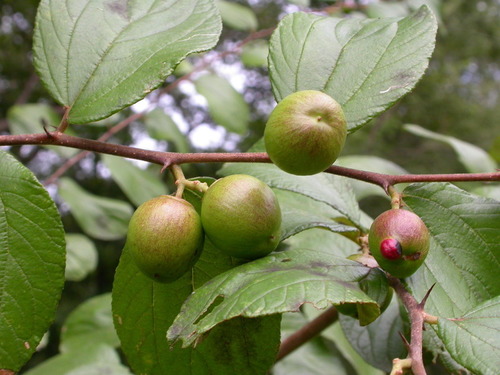
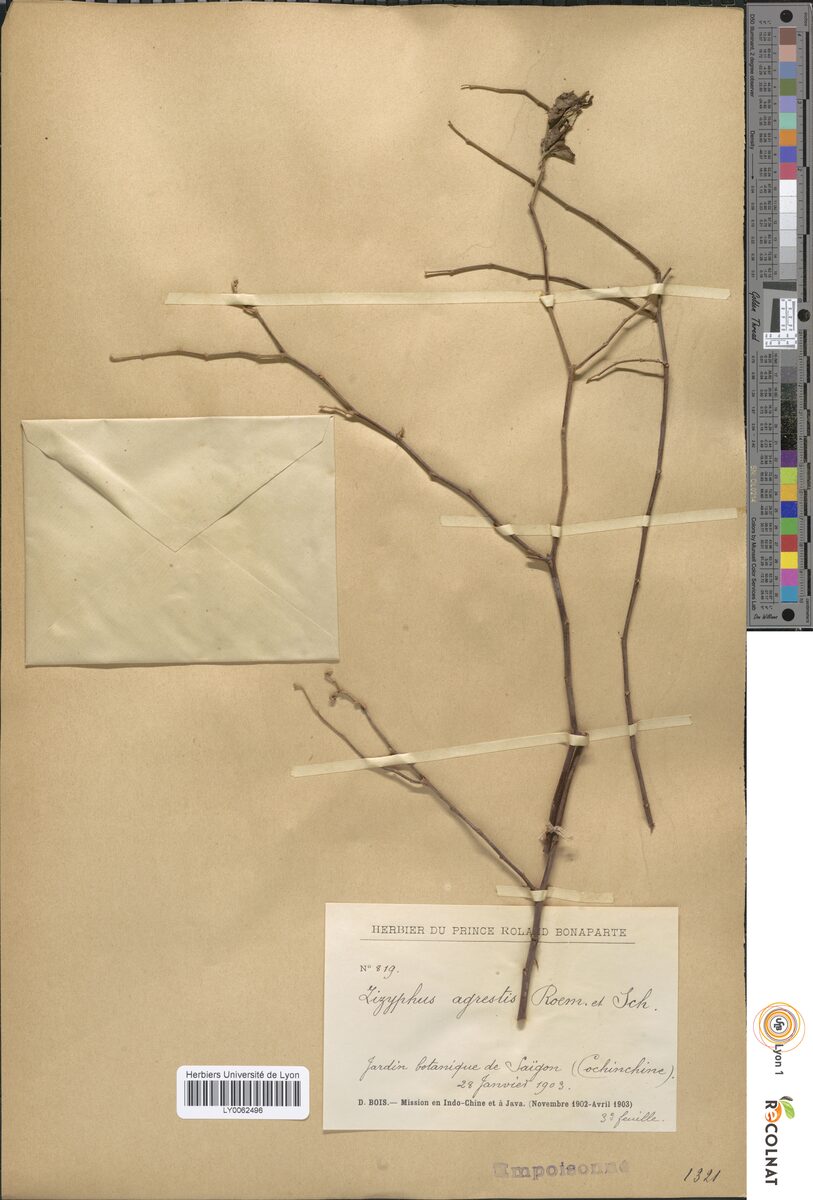
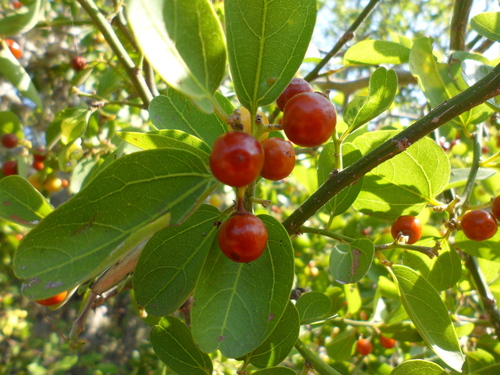
A shrub or small tree. The branches are slender and spiny. The leaves are 4-10 cm long by 2-4 cm wide. They are sword shaped and taper to the end. The young leaves are densely woolly. The flowers are 2 mm across and do not have stalks. The fruit is 5 mm long and is edible.
Edible Uses
The fruit (5 mm long) are edible.
Distribution
It is a subtropical plant.
Where It Grows
Asia, China, Himalayas, India, Malaysia, Nepal, Pakistan, SE Asia,
Synonyms
Rhamnus filiformis Roth.Sageretia oppositifolia Brongn.Sageretia oppositifolia (Wall.) Brogn.Sageretia parviflora (Klein ex Willd.) G. DonRhamnus parviflora Roem. & Schult.Zizyphus oppositifolia Wall.and others
Also Known As
Abinkand, Aglaia, Drange, Gidarak, Girthan, Kanak, Lohari
References (4)
- Ambasta, S.P. (Ed.), 2000, The Useful Plants of India. CSIR India. p 539 (Also as Sageretia parviflora)
- Flora of Pakistan. www.eFloras.org
- Hedrick, U.P., 1919, (Ed.), Sturtevant's edible plants of the world. p 586 (As Sageretia oppositifola)
- Singh, H.B., Arora R.K.,1978, Wild edible Plants of India. Indian Council of Agricultural Research, New Delhi. p 71