Fissistigma polyanthum
(Hook.f. & Thomson) Merrill
No photos yet for Fissistigma polyanthum
Sign in to contribute a photoDescription
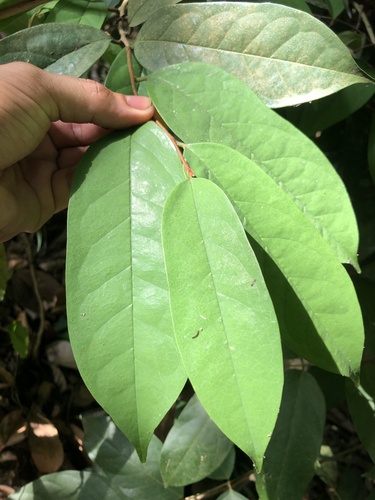
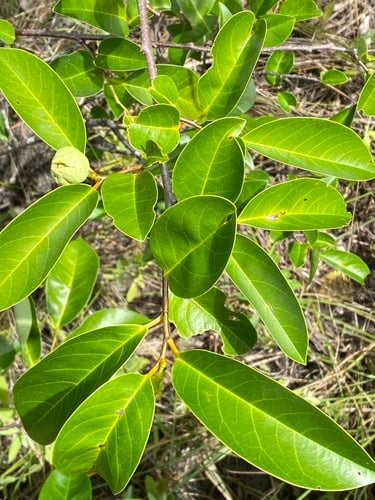
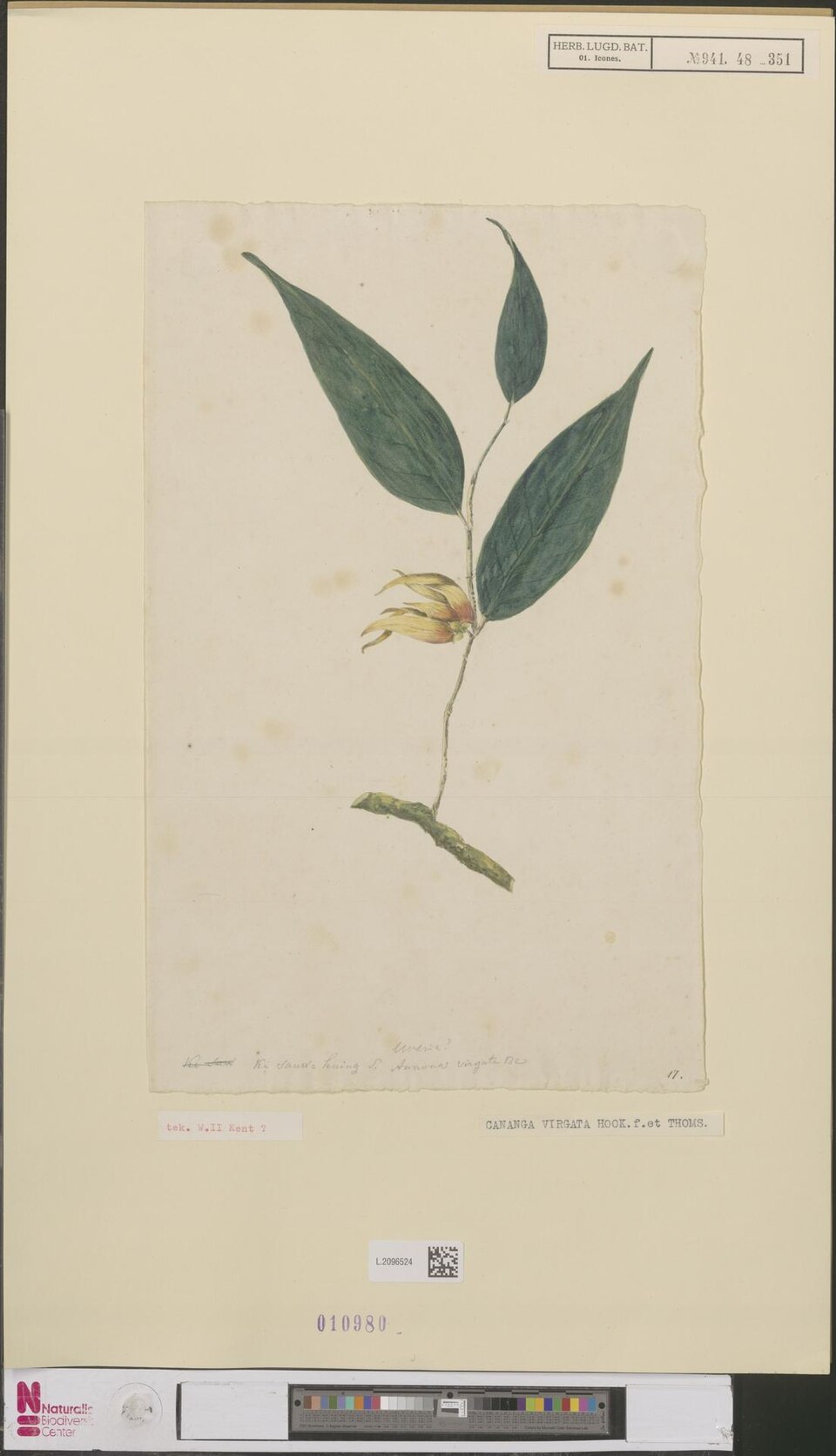
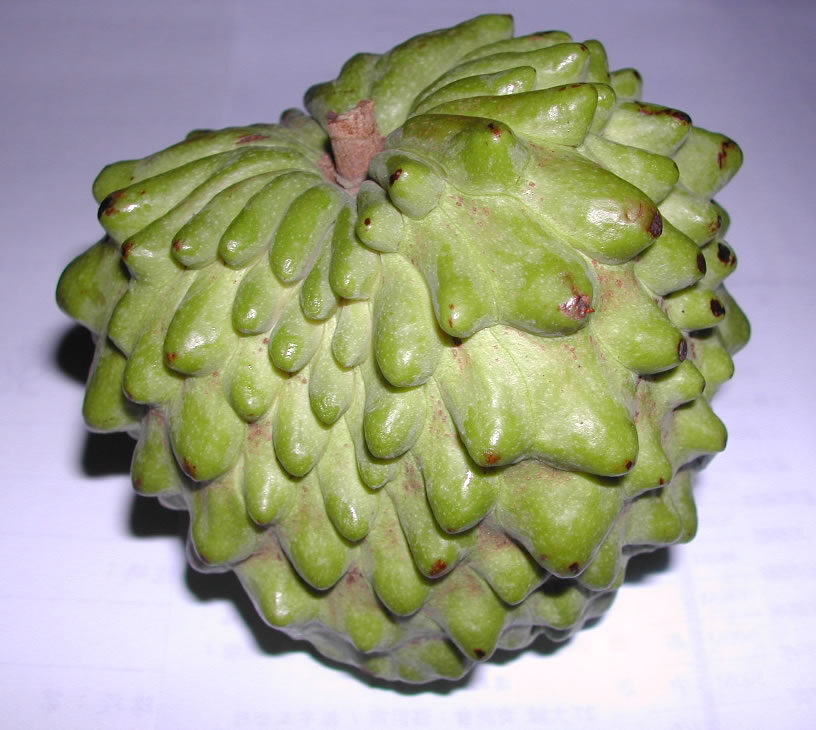
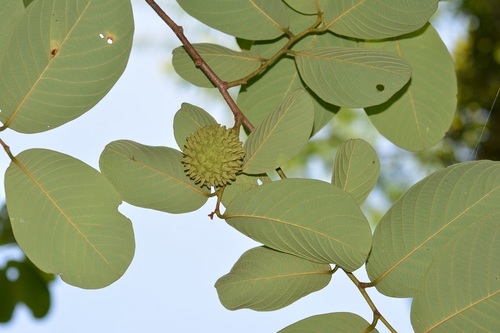
A cane or creeping plant. It has a woody texture. The shrub or vine is about 8 m long. The roots are grey or black. They have a smell when cut. The leaves are 6-17.5 cm long and 2-7.5 cm wide. The leaf has easy to see veins. The leaf is hairy underneath. The flowers are small and in fan shaped bunches. These have 3-7 flowers. There are 6 petals in 2 rings. The fruit are round. They are covered with fine yellow hairs. The fruit are 1.5 cm across.
Edible Uses
The ripe fruit are eaten raw.
Traditional Uses
The ripe fruit are eaten raw.
This uses section is brief — help expand it
Medicinal Uses
The roots and leaves are used in traditional medicine.
Distribution
A tropical plant. It grows in montane forests, often in ravines between 100-1200 m altitude in southern China. In Yunnan.
Where It Grows
Asia, Bhutan, China, Himalayas, India, Indochina, Myanmar, Northeastern India, SE Asia, Tibet, Vietnam,
Notes
Roots and leaves are used in medicine. There are about 60 Fissistigma species.
Synonyms
Also Known As
Dardo, Karlephingnu, Lisu gulo, Miqbevsaqdu, Rika riya
References (9)
- Altschul, S.V.R., 1973, Drugs and Foods from Little-known Plants. Notes in Harvard University Herbaria. Harvard Univ. Press. Massachusetts. no. 1056
- Ambasta, S.P. (Ed.), 2000, The Useful Plants of India. CSIR India. p 224
- Angami, A., et al, 2006, Status and potential of wild edible plants of Arunachal Pradesh. Indian Journal of Traditional Knowledge 5(4) October 2006, pp 541-550
- Dobriyal, M. J. R. & Dobriyal, R., 2014, Non Wood Forest Produce an Option for Ethnic Food and Nutritional Security in India. Int. J. of Usuf. Mngt. 15(1):17-37
- Ghorbani, A., et al, 2012, A comparison of the wild food plant use knowledge of ethnic minorities in Naban River Watershed Nature Reserve, Yunnan, SW China. Journal of Ethnobiology and Ethnomedicine; 8:17
Show all 9 references Hide references
- Hani Medicine of Xishuangbanna, 1999, p 479
- Singh, H.B., Arora R.K.,1978, Wild edible Plants of India. Indian Council of Agricultural Research, New Delhi. p 60
- Singh, V. B., et al, (Ed.) Horticulture for Sustainable Income and Environmental Protection. Vol. 1 p 216
- Taram, M., et al, 2018, Wild Food Plant Resources of Komkar Adi Tribe of Upper Siang District in Arunachal Pradesh, India. Bulletin of Arunachal Forest Research, Vol. 33(2), 27-35