Ampelocissus rugosa
(Wall.) Planch.
Chhipdri
gbif· cc0
President and Fellows of Harvard College
Description
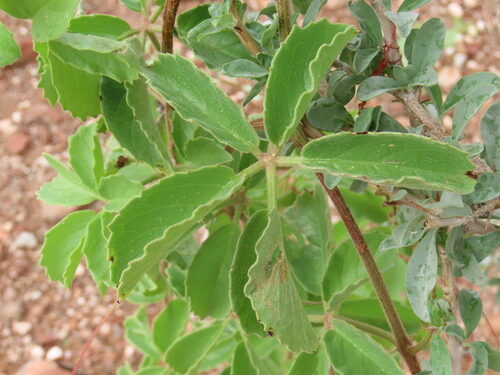
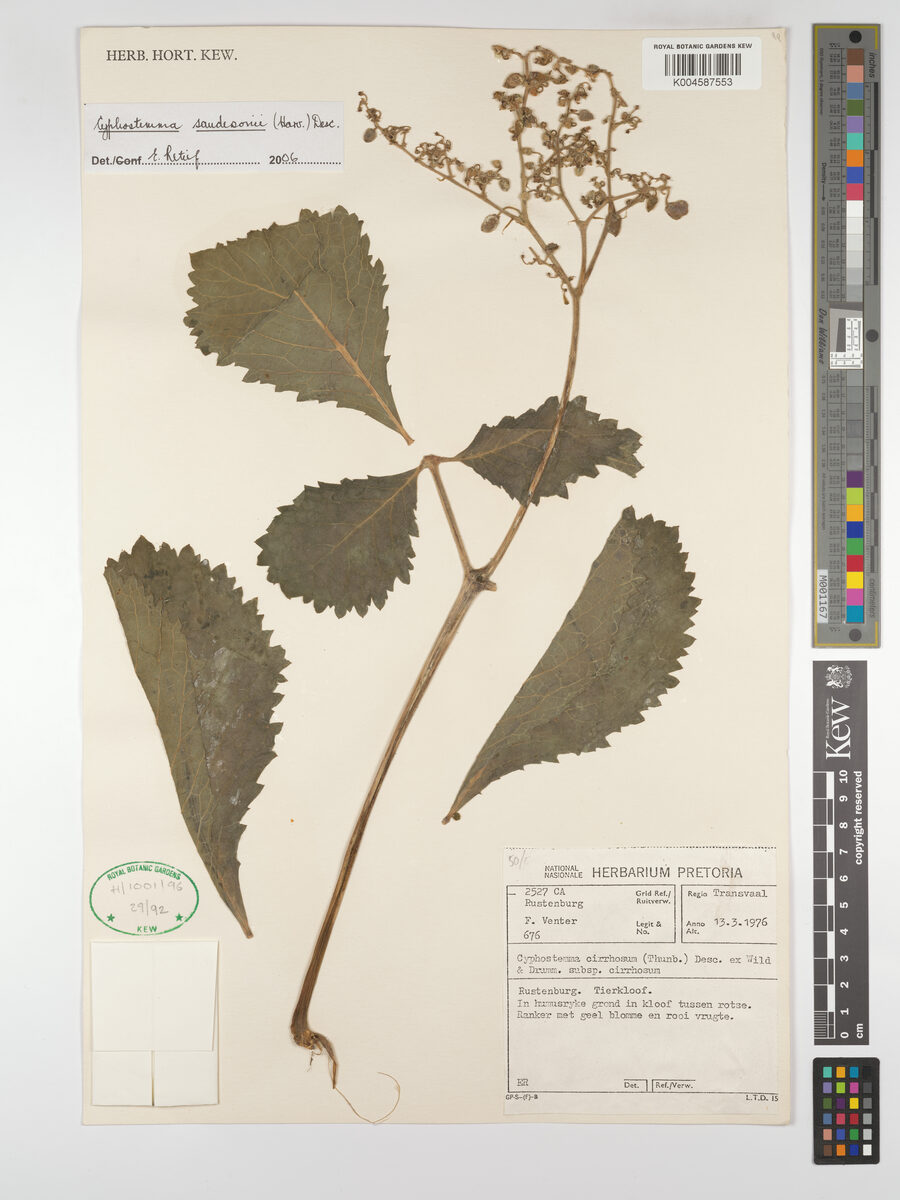
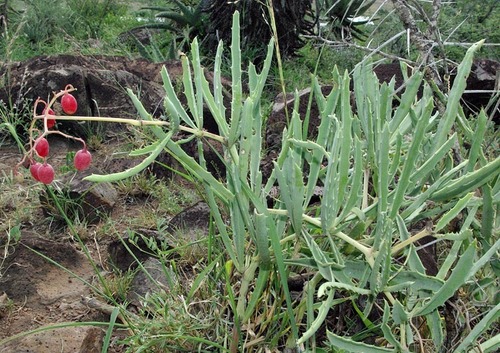
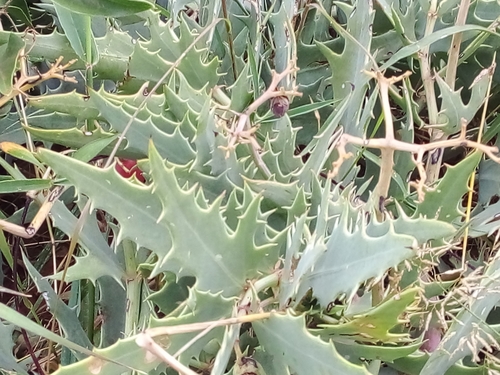
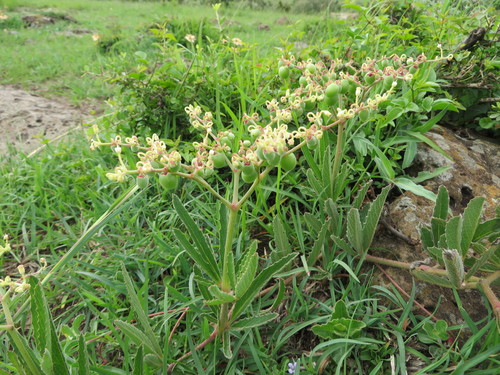
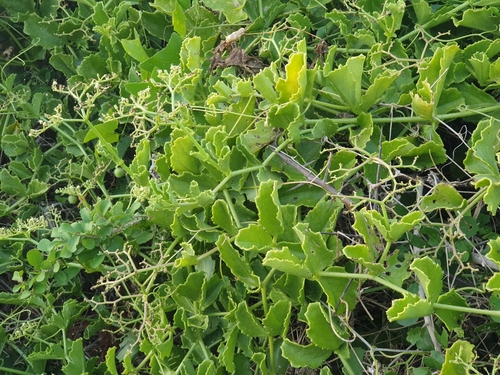
A climber. It is often trailing on the ground. It grows 3 m long. The leaves are simple with 3-5 lobes. They are hairy above and have a dense covering underneath. There are stout tendrils near the flowers. The flowers are small and greenish-red. They are in groups on long stalks. The fruit are round and black.
Edible Uses
The ripe fruit are eaten and sold.
Traditional Uses
The ripe fruit are eaten.
This uses section is brief — help expand it
Distribution
A tropical plant. It grows up to 2,000 m above sea level in the Himalayas.
Where It Grows
Asia, Himalayas, India, Myanmar, Northeastern India, SE Asia,
Production
Flowers form in April to June and fruit from September to October.
Other Information
The fruit are sold.
Notes
There are about 95 Ampelocissus species.
Synonyms
Also Known As
Asanjiya, Assoujia, Chhipari
References (7)
- Ambasta S.P. (Ed.), 2000, The Useful Plants of India. CSIR India. p 36
- Dobriyal, M. J. R. & Dobriyal, R., 2014, Non Wood Forest Produce an Option for Ethnic Food and Nutritional Security in India. Int. J. of Usuf. Mngt. 15(1):17-37
- Sawian, J. T., et al, 2007, Wild edible plants of Meghalaya, North-east India. Natural Product Radiance Vol. 6(5): p 423 (As Vitis rugosa)
- Singh, H.B., Arora R.K.,1978, Wild edible Plants of India. Indian Council of Agricultural Research, New Delhi. p 48
- Singh, V. B., et al, (Ed.) Horticulture for Sustainable Income and Environmental Protection. Vol. 1 p 214
Show all 7 references Hide references
- Upreti, K., et al, 2010, Diversity and Distribution of Wild Edible Fruit Plants of Uttarakhand. Bioversity Potentials of the Himalaya. p 161
- Wild edible plants of Himachal Pradesh