Euphorbia granulata
Forssk.
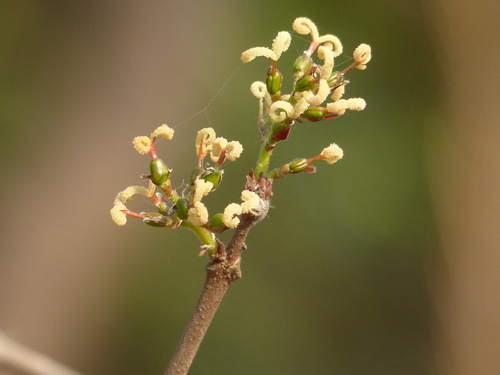
iNaturalist· cc-by-nc
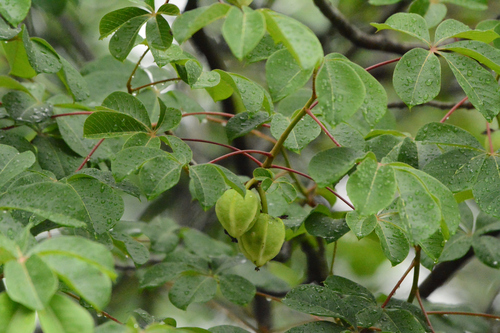
(c) Ron Frumkin, some rights reserved (CC BY-NC), uploaded by Ron Frumkin
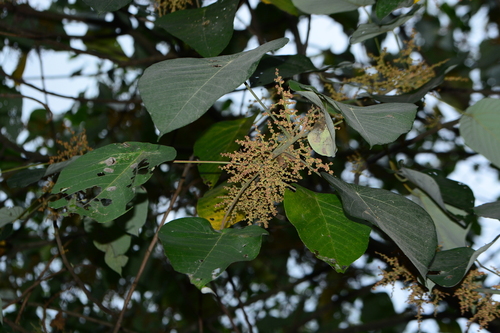
iNaturalist· cc-by-nc
(c) John Pereira, some rights reserved (CC BY-NC), uploaded by John Pereira
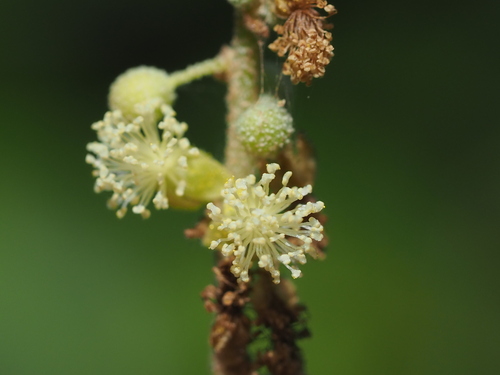
iNaturalist· cc-by-nc
(c) Angela Manthorpe, some rights reserved (CC BY-NC), uploaded by Angela Manthorpe
Description
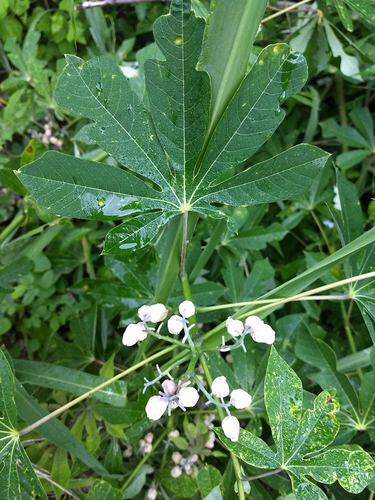
A small herb. The stems are 20 cm long. They are woody at the base and usually without branches. The leaves are opposite. The leaf blades are 1-8 mm long by 1-5 mm wide.
Edible Uses
The leaves are eaten.
Traditional Uses
Caution: All Euphorbias or spurges have irritating sap and many have chemicals that can cause cancer.
This uses section is brief — help expand it
Medicinal Uses
The latex is used internally to expel intestinal worms, and externally to treat snakebites and scorpion stings. In Saudi Arabia the latex is taken as a purgative, anthelmintic and diuretic, as well as for its blood purifying properties. From petroleum and alcoholic extracts of the whole plant the following compounds were isolated: hentriacontane, dotriacontanol, lupeol acetate, taraxasterol acetate, lupeol, taraxasterol, sitosterol and gallic acid. A methanol extract of the leaves showed considerable inhibitory effects against HIV-1 protease. A water extract of the leaves showed considerable inhibitory effects against hepatitis C virus protease.
Known Hazards
All Euphorbias have irritating sap; many contain chemicals that can cause cancer. Most species have sap that irritates the skin.
Distribution
It grows in tropical and Mediterranean places. It grows in desert and semi desert up to 1,500 m altitude. It can grow in arid places. It grows in the Sahara. It grows during the rainy season. In western China it grows in sandy soils and stony places at about 500 m above sea level.
Where It Grows
Afghanistan, Africa, Asia, Central Asia, China, India, Iran, Iraq, Kazakhstan, Kyrgyzstan, Mediterranean, Middle East, Morocco, North Africa, Pakistan, Saudi Arabia, Tajikistan, Turkmenistan, Uzbekistan, Yemen,
Cultivation
The plant is found as a weed in agricultural land.
Other Uses
An aqueous extract of the plant significantly and invariably inhibited germination and radicle growth of a range of crop plants and weeds in a laboratory bioassay. Artificially decomposed plant litter in a nutrient medium significantly reduced germination and fresh and dry weight gain of the same test species. The toxins affected germination and growth independently and it is therefore suggested that its litter must be removed from the fields during weeding.
Notes
There are about 2000 Euphorbia species. Most Euphorbias have sap which irritates the skin.
Synonyms
Also Known As
Kantha arak, Kbidet eddub
References (5)
- Flora of Pakistan. www.eFloras.org
- Nassif, F., & Tanji, A., 2013, Gathered food plants in Morocco: The long forgotten species in Ethnobotanical Research. Life Science Leaflets 3:17-54 (As Chamaesyce granulata)
- Rivera, D. et al, 2006, Gathered Mediterranean Food Plants - Ethnobotanical Investigations and Historical Development, in Heinrich M, Müller WE, Galli C (eds): Local Mediterranean Food Plants and Nutraceuticals. Forum Nutr. Basel, Karger, 2006, vol 59, pp 18–74
- Singh, H.B., Arora R.K.,1978, Wild edible Plants of India. Indian Council of Agricultural Research, New Delhi. p 39
- Sinha, R. & Lakra, V., 2007, Edible weeds of tribals in Jharkhand, Orissa and West Bengal. Indian Journal of Traditional Knowledge 6(1) January 2007 pp 217-222