Pinus sibirica
Du Tour
Siberian stone pine, Siberian cedar pine
iNaturalist· cc-by
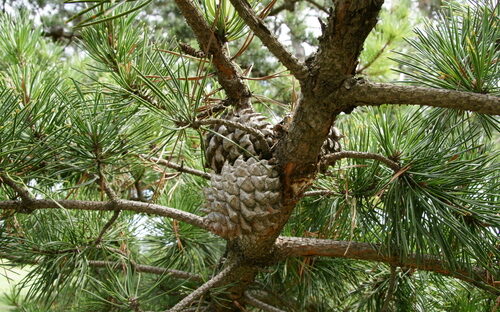
(c) ugraland, some rights reserved (CC BY)
iNaturalist· cc-by-nc
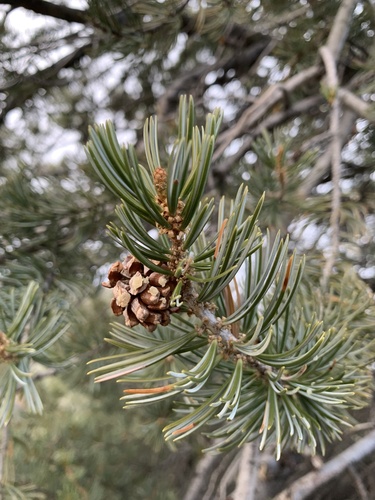
(c) Olga Demina, some rights reserved (CC BY-NC)
Summary
Source: WikipediaPinus sibirica, or Siberian pine, in the family Pinaceae is a species of pine tree that occurs in Siberia from 58°E in the Ural Mountains east to 126°E in the Stanovoy Range in southern Sakha Republic, and from Igarka at 68°N in the lower Yenisei valley, south to 45°N in central Mongolia.
Description
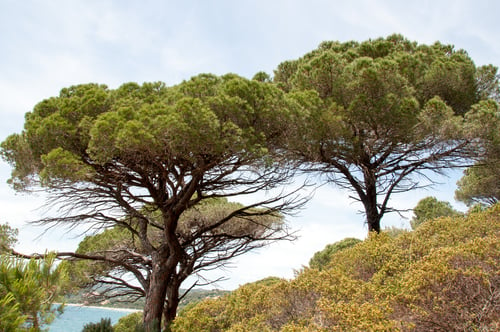
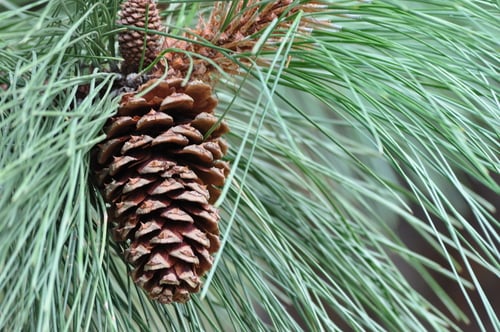
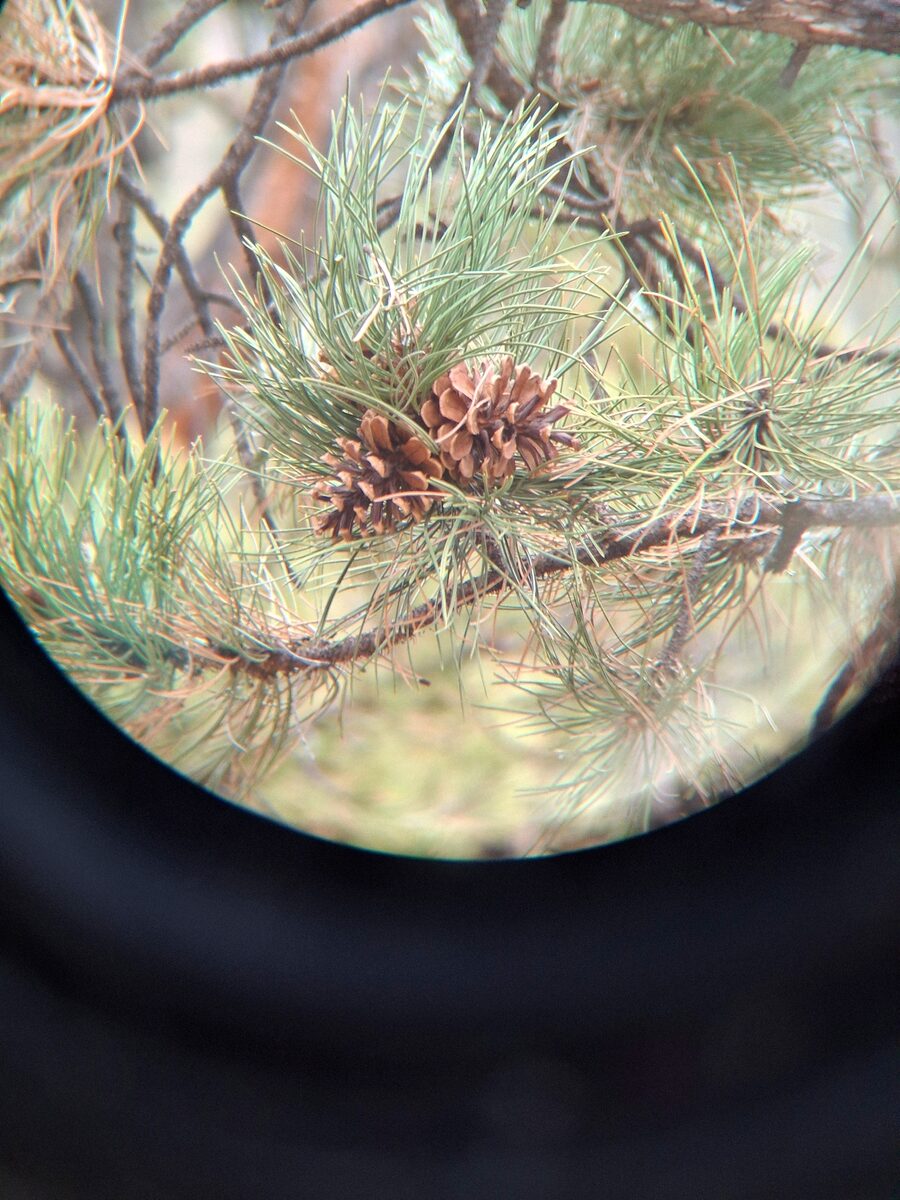
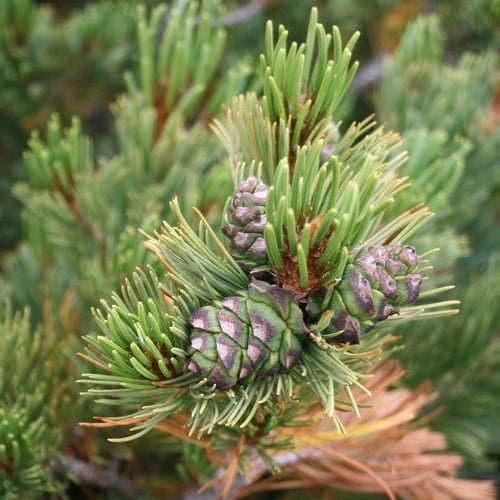
A tree. It grows to 35 m tall. The trunk is 1.8 m across. The bark is pale brown. The small branches are yellow and thick. There are dense pale yellow hairs. There are 5 needles per bundle. They are slightly curved. They are almost triangle shaped in cross section. They are 6-11 cm long by 0.5-1.7 mm wide and stiff. The cones are 6-13 cm long by 5-8 cm wide.
Edible Uses
The highly nutritious seeds (64% fat) are eaten fresh or pressed for cooking oil. The leaves are brewed into tea.
Traditional Uses
The seeds are eaten. The seeds are pressed for the production of cooking oil. The leaves are brewed into tea.
This uses section is brief — help expand it
Distribution
It is a temperate plant. It grows in mountains usually scattered in ridges and rocks between 1000-1600 m altitude. It is very cold hardy. It suits a continental climate. It needs moist air and good rainfall. It is best in a well-drained, deep loamy soil.
Where It Grows
Asia, Australia, Central Asia, China, Europe, Finland, Indochina, Kazakhstan, Mongolia, Russia, Scandinavia, SE Asia, Siberia, Vietnam,
Cultivation
Plants are grown from seed.
Production
Trees can live for 500 years. One tree can yield 1,000-1,500 cones in a year. Each cone contains 80-140 seeds. Seeds take 2 years to ripen.
Other Information
It is a cultivated food plant. It is also harvested in large amounts from the wild.
Notes
There are over 100 species of Pinus. The seeds are highly nutritious. They are 64% fat.
Synonyms
Also Known As
Xian bei wu zhen song
References (12)
- Ciesla, W.M., 1998, Non-wood forest products from conifers. Non-wood forest products 12, FAO, Rome, p 72
- Facciola, S., 1998, Cornucopia 2: a Source Book of Edible Plants. Kampong Publications, p 171
- Fu Liguo, Li Nan, Mill, R.R., Pinaceae. Flora of China.
- Glowinski, L., 1999, The Complete Book of Fruit Growing in Australia. Lothian. p 136
- https://en.wikipedia.org/wiki/List of wild edible plants in Mongolian cuisine
Show all 12 references Hide references
- Lyle, S., 2006, Discovering fruit and nuts. Land Links. p 328
- Nouv. Dict. Hist. Nat. 18:18. 1803
- Urgamal, M., et al, 2014, Conspectus of the Vascular Plants of Mongolia. Mongolia Academy of Sciences Institute of Botany and National University of Mongolia Department of Biology. p 35
- Wickens, G.E., 1995, Edible Nuts. FAO Non-wood forest products. FAO, Rome. p178
- Wiersema, J. H. & Leon, B., 2013, World Economic Plants. A Standard Reference CRC Press. 2nd Ed. p 534
- World Checklist of Useful Plant Species 2020. Royal Botanic Gardens, Kew
- www.mobot.org