Zoysia japonica
Steud.
Korean lawn grass
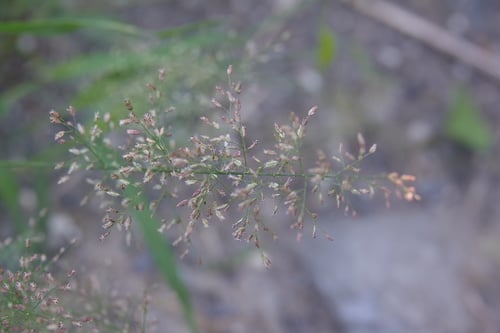
iNaturalist· cc-by-nc
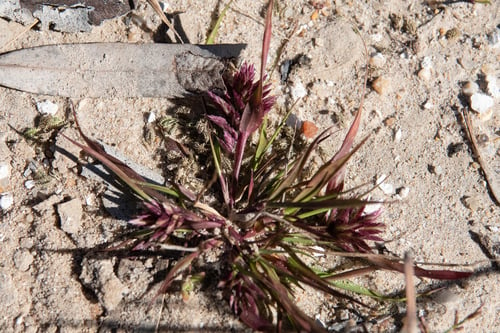
(c) Kelly Omand, some rights reserved (CC BY-NC), uploaded by Kelly Omand
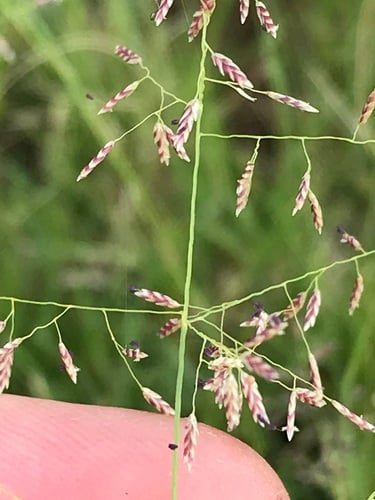
iNaturalist· cc-by-nc
(c) Jared Gorrell, some rights reserved (CC BY-NC)
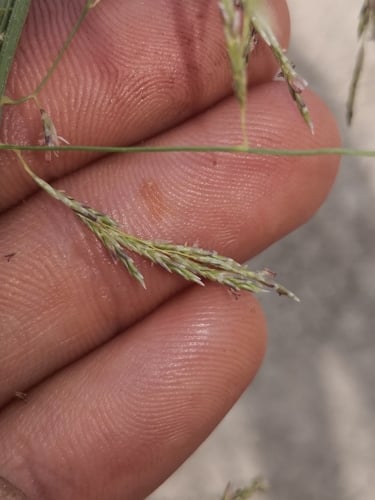
iNaturalist· cc-by-nc
(c) Jared Gorrell, some rights reserved (CC BY-NC)
Summary
Source: WikipediaZoysia japonica (commonly known as Korean lawngrass, zoysia grass or Japanese lawngrass) is a species of creeping, mat-forming, short perennial grass that grows by both rhizomes and stolons. It is native to the coastal grasslands of southeast Asia and Indonesia. The United States was first introduced to Z. japonica in 1895. It received its first import from the Chinese region of Manchuria. Today, Z. japonica has become one of the most widely used species of turfgrass in the United States and other countries worldwide such as in Brazil, serving as a close and cheaper alternative to bermudagrass.
Description
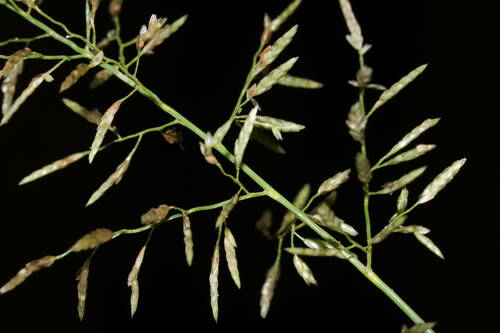
A grass which keeps growing from year to year. It has long slender runners or stolons. It forms large mats. The stalks are erect and 20 cm high. The leaf blades are clustered near the base of the shoot. Leaves are 2-5-6 cm long by 0.2-0.4 cm wide. The tip is sharp.
Edible Uses
The seed and stem bases are both edible, though no further details are available for either.
Medicinal Uses
None known
Distribution
It is a temperate plant. It grows in coastal areas and grassy hillsides in open places
Where It Grows
Asia, China, India, Japan, Korea, Taiwan,
Cultivation
Requires a sunny position in a well-drained soil. Frequently cultivated in warm temperate zones as a lawn grass. Plants are hardy to about -10°c and succeed outdoors in many parts of Britain.
Propagation
Surface sow seed in spring in a greenhouse. Germination should occur within 2 weeks. Prick seedlings into individual pots when large enough to handle and plant out in summer. Division in spring.
Other Uses
None known Special Uses
Notes
There are 5-9 Zoysia species. They are tropical and subtropical. It is a good lawn grass.
Synonyms
References (4)
- Ambasta, S.P. (Ed.), 2000, The Useful Plants of India. CSIR India. p 705
- Chen Shouliang, Lu Shenglian, Wu Zhenlan, et al Poaceae Tribe 20 Flora of China
- Plants for a Future database, The Field, Penpol, Lostwithiel, Cornwall, PL22 0NG, UK. http://www.scs.leeds.ac.uk/pfaf/
- Syn. pl. glumac. 1:414. 1854