Zinnia elegans
Jacq.
Common Zinnia
iNaturalist· cc-by-nc
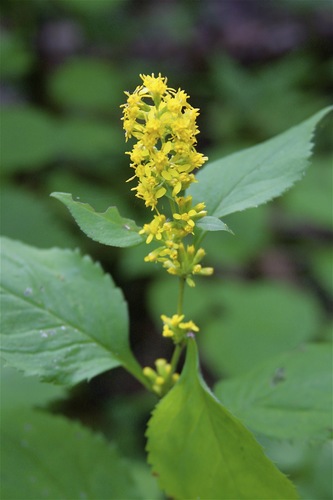
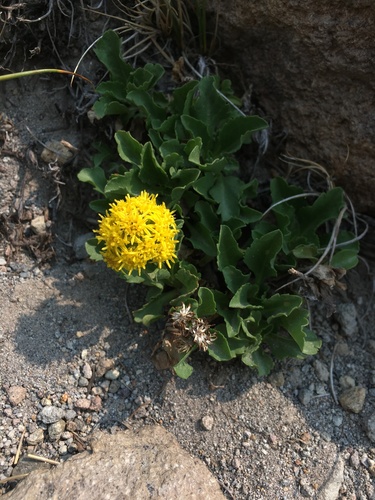
(c) Erick Noe Tapia Banda, some rights reserved (CC BY-NC), uploaded by Erick Noe Tapia Banda
iNaturalist· cc-by-nd
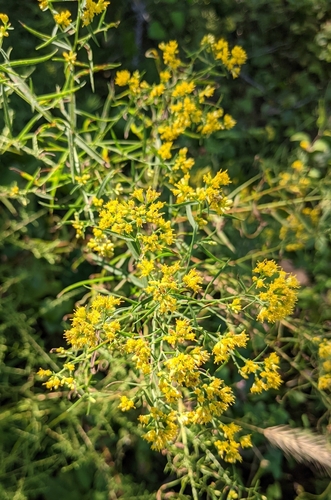
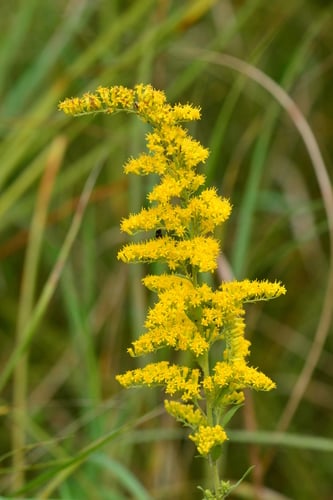
(c) Luis Díaz-Gamboa, some rights reserved (CC BY-ND), uploaded by Luis Díaz-Gamboa
iNaturalist· cc-by-sa
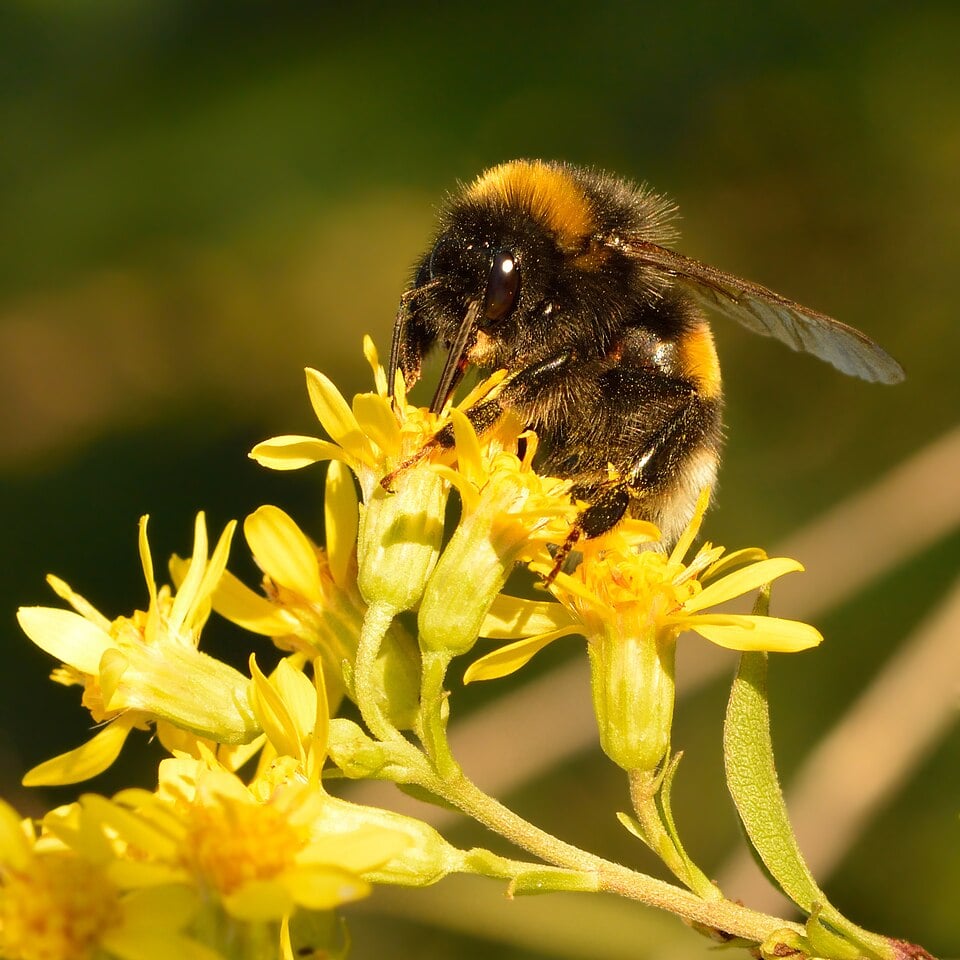
(c) Alejandro Bayer Tamayo, some rights reserved (CC BY-SA)
Summary
Source: WikipediaZinnia elegans (syn. Zinnia violacea) known as youth-and-age, common zinnia or elegant zinnia, is an annual flowering plant in the family Asteraceae. It is native to Mexico but grown as an ornamental in many places and naturalised in several places, including scattered locations in South and Central America, the West Indies, the United States, Australia, and Italy.
Description
An annual plant. It grows to 1 m high and spreads to 1 m wide. The stem is erect, branching and brittle. The leaves occur opposite one another and can be oval or long. They are deep green and clasp the stem. The flowers can be of various colours such as white, yellow, red, or orange. They occur singly and are at the end of branches or in the axils of leaves. Flowers can be 12.5 cm across.
Edible Uses
Young leaves and shoots can be eaten.
Traditional Uses
The young leaves and shoots can be eaten.
This uses section is brief — help expand it
Distribution
It is a subtropical plant. It does best in rich, deep, loamy soils. It needs an open sunny position. It is damaged by drought and frost. It suits hardiness zones 9-11.
Where It Grows
Africa, Asia, Australia, Central America, Central Asia, Cuba, Dominican Republic, East Africa, Haiti, India, Mexico, Myanmar, Nepal, Niue, North America, Pacific, Papua New Guinea, PNG, Rotuma, SE Asia, Slovenia, Tajikistan, USA, West Indies, Zimbabwe,
Cultivation
Plants are grown from seed. Seeds should be sown 6-12 mm deep. Plants are spaced 30 cm apart.
Notes
There are 20 Zinnia species.
Nutrition
| Part | Moisture | kJ | kcal | Protein | Vit A | Vit C | Iron | Zinc |
|---|---|---|---|---|---|---|---|---|
| Leaves | 84.9 | 221 | 53 | 0.8 | — | — | 1.9 | — |
Synonyms
Also Known As
Carigal, Htattaya-pan, Lepa cinija, Parbati phul
References (14)
- Ambasta, S.P. (Ed.), 2000, The Useful Plants of India. CSIR India. p 702
- Bodkin, F., 1991, Encyclopedia Botanica. Cornstalk publishing, p 1036
- Brickell, C. (Ed.), 1999, The Royal Horticultural Society A-Z Encyclopedia of Garden Plants. Convent Garden Books. p 1070
- Burnie, G.(Ed.), 2003, Annuals and Bulbs. The Gardener's Handbooks. Fog City Press. p 237
- Cundall, P., (ed.), 2004, Gardening Australia: flora: the gardener's bible. ABC Books. p 1497
Show all 14 references Hide references
- Food Composition Tables for the Near East. http://www/fao.org/docrep No. 444
- http://www.botanic-gardens-ljubljana.com/en/plants
- Icon. pl. rar. 3:15, t. 589. 1792 ("1786-1793"); Collectanea 5:152. 1797 ("1796")
- Joyce, D., 1998, The Garden Plant Selector. Ryland, Peters and Small. p 324
- Martin, F.W. & Ruberte, R.M., 1979, Edible Leaves of the Tropics. Antillian College Press, Mayaguez, Puerto Rico. p 186
- Miya, M. S. & Gautum, D., 2021, Checklist of floral species at the Institute of Forestry, Pokhara Campus, Pokhara, Nepal. Journal of Institute of Forestry, Nepal 18 (2021) 133-177
- Peekel, P.G., 1984, (Translation E.E.Henty), Flora of the Bismarck Archipelago for Naturalists, Division of Botany, Lae, PNG. p 561,
- Plants of Haiti Smithsonian Institute http://botany.si.edu
- Terra, G.J.A., 1973, Tropical Vegetables. Communication 54e Royal Tropical Institute, Amsterdam, p 83