Zelkova serrata
(Thunb.) Makino
Japanese zelkova, Smooth-leaved Zelkova
iNaturalist· cc-by-nc
(c) saltpile, some rights reserved (CC BY-NC)
iNaturalist· cc-by-nc-sa
(c) Gregory Mihaich, some rights reserved (CC BY-NC-SA)
iNaturalist· cc-by-nc-sa
(c) Gregory Mihaich, some rights reserved (CC BY-NC-SA)
Summary
Source: WikipediaZelkova serrata (Japanese zelkova, Japanese elm, keyaki, or keaki; Japanese: 欅, romanized: keyaki or 槻, tsuki; simplified Chinese: 榉树; traditional Chinese: 櫸樹; pinyin: jǔshù; Korean: 느티나무; RR: neutinamu) is a species of the genus Zelkova native to Japan, Korea, eastern China and Taiwan. It is often grown as an ornamental tree, and used in bonsai. There are two varieties, Zelkova serrata var. serrata in Japan and mainland eastern Asia, and Zelkova serrata var. tarokoensis (Hayata) Li on Taiwan which differs from the type in its smaller leaves with less deeply cut serration on the margins.
Description
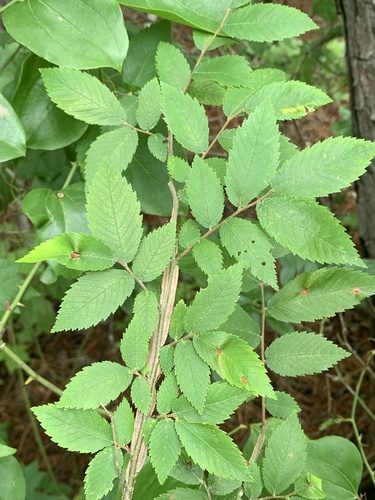
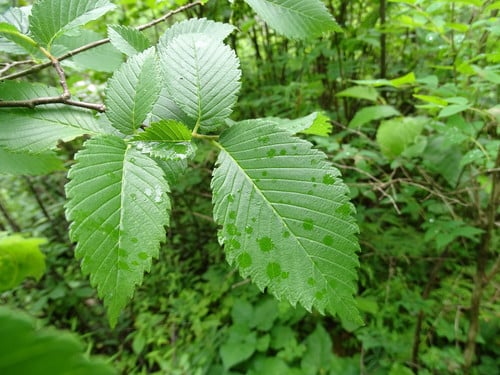
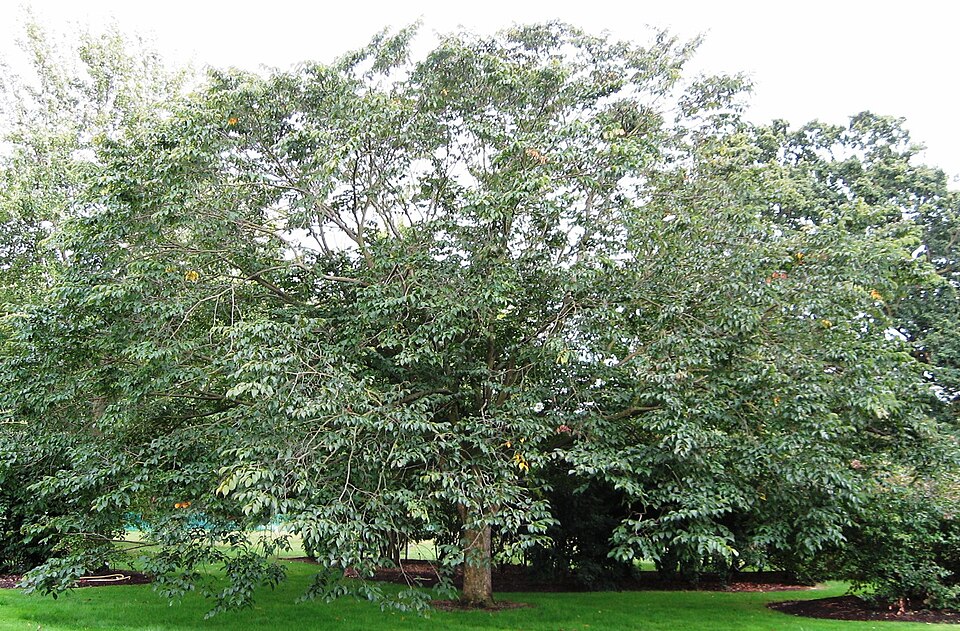
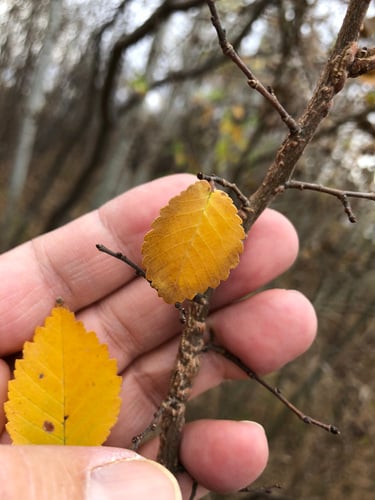
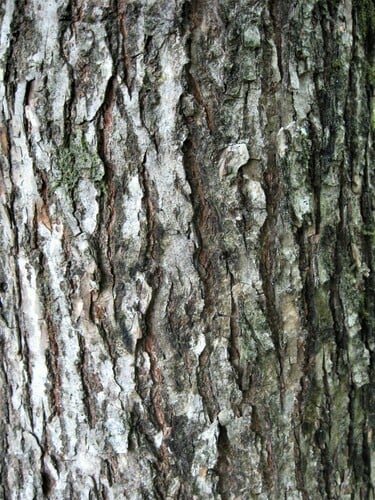
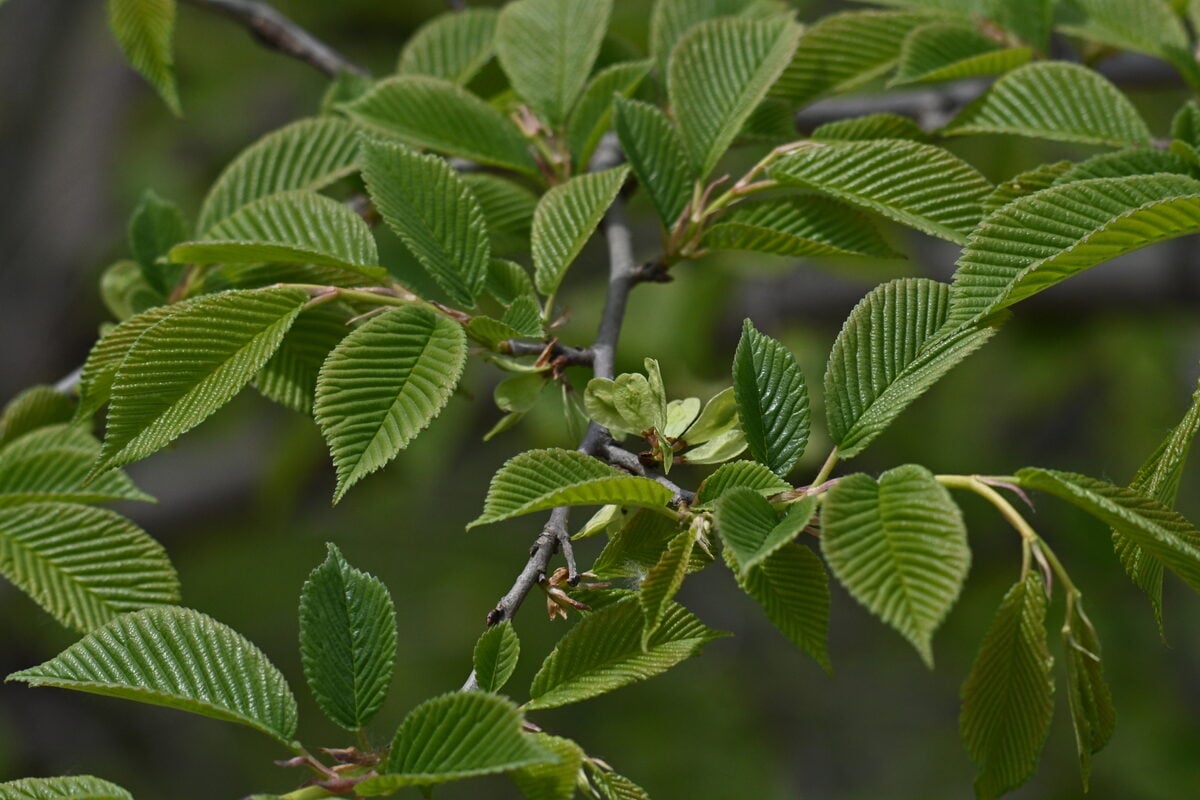
A medium sized deciduous tree. It grows to 20-40 m high. The branches are straight and spreading. They form a neat rounded crown. The bark is smooth when young. It flakes to reveal orange patches. The leaves are alternate and have a long sharp tip. The leaves are oval and 3-11 cm long by 1.3-7 cm wide. They have saw like teeth. The leaves turn orange and yellow in autumn. Male and female flowers occur on the same twig. They are green and small. The fruit is small and round.
Edible Uses
Young leaves can be eaten cooked.
Medicinal Uses
No medicinal uses are known for this plant.
Distribution
It is a temperate plant. It is native to China, Japan and Korea. It grows in moist soil near streams. It can tolerate some shade. It needs a moist soil. It suits hardiness zones 5-9. Arboretum Tasmania. Hobart Botanical Gardens. Burnie Rhodo Gardens. In Sichuan. National Arboretum Canberra.
Where It Grows
Asia, Australia, Britain, Canada, China, Europe, Japan, Korea, North America, Russia, Slovenia, Taiwan, Tasmania, USA,
Cultivation
It can be grown from seeds or cuttings. It is also possible to use layers or grafts.
Propagation
Seed is best sown in a cold frame as soon as it is ripe. Stored seed requires stratification and should be sown as early in the year as possible. Germination rates are variable. Prick seedlings into individual pots when large enough to handle and grow them on in a greenhouse through their first winter. Plant out into permanent positions in late spring or early summer, after the last expected frosts.
Other Uses
The wood is tough, hard, and beautifully grained, and is used for tool handles, construction, and furniture.
Notes
There are 5 Zelkova species.
Synonyms
Also Known As
Guangye Ju, Keaki
References (15)
- Bot. Mag. (Tokyo) 17:13. 1903
- Coombes, A.J., 2000, Trees. Dorling Kindersley Handbooks. p 310
- Cundall, P., (ed.), 2004, Gardening Australia: flora: the gardener's bible. ABC Books. p 1496
- Farrar, J.L., 1995, Trees of the Northern United States and Canada. Iowa State University press/Ames p 361
- Flora of China @ efloras.org Volume 5
Show all 15 references Hide references
- Harris, E & J., 1983, Field Guide to the Trees and Shrubs of Britain. Reader's Digest. p 81
- Hibbert, M., 2002, The Aussie Plant Finder 2002, Florilegium. p 311
- http://www.botanic-gardens-ljubljana.com/en/plants
- Hwang, HS, et al, 2014, Distribution characteristics of plant in the Ungseokbong Mountain, Gyeongsangnam-do, Korea. Journal of Asia-Pacific Biodiversity. 7(2014) e164-e178
- Little, E.L., 1980, National Audubon Society Field Guide to North American Trees. Alfred A. Knopf. p 426
- Lord, E.E., & Willis, J.H., 1999, Shrubs and Trees for Australian gardens. Lothian. p 75
- Marinelli, J. (Ed), 2004, Plant. DK. p 127
- Plants for a Future database, The Field, Penpol, Lostwithiel, Cornwall, PL22 0NG, UK. http://www.scs.leeds.ac.uk/pfaf/
- Valder, P., 1999, The Garden Plants of China. Florilegium. p 344
- www.worldagroforestrycentre.org/treedb/