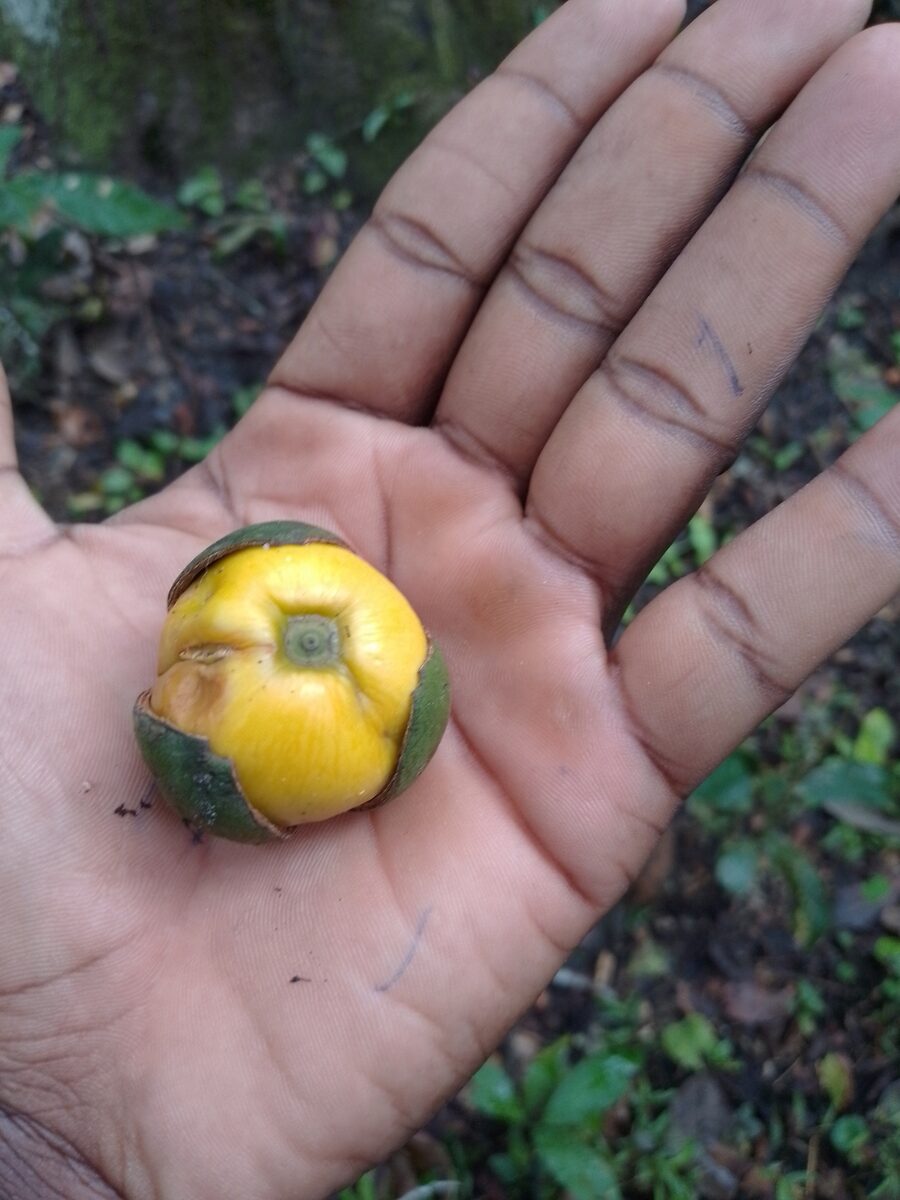
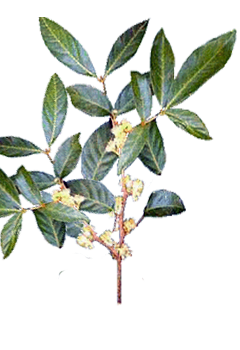
Ximenia caffra var. natalensis
Sond., Sond.
Natal plum
gbif· cc-by-nc-sa
C. Davidson
gbif· cc-by-nc-sa
C. Davidson
gbif· cc-by-nc-sa
C. Davidson
Description
The tree is like var. caffra except that the leaves become smooth with age. It grows 6 m high. The leaves are smaller and so are the fruit.
This description is brief — help expand it
Edible Uses
The fruit are eaten raw and used for desserts. Fruit flavor varies by season, being more bitter at some times but sweeter during the rainy season.
Traditional Uses
The fruit are eaten raw and also used for desserts. The fruit can be bitter but are more sweet in the rainy season.
This uses section is brief — help expand it
Medicinal Uses
The roots are used to treat abscesses, stomach aches, colic, malaria, coughs, and bilharzias. They can also be pounded, turned into porridge and eaten to reportedly prevent sterility in women. It is thought that powdered roots can also be added to beer to act as an aphrodisiac. The tree's bark is used as a remedy for syphilis, hookworm, chest pains, and body pain. The seeds are generally roasted and then pounded for their oils to be used for wounds as an ointment. The leaves can be used to soothe inflamed eyes and as a reported cure for tonsillitis. Most of these claims do not appear to have been scientifically validated, and further research is required.
Distribution
A tropical plant. It grows between 35-2,895 m above sea level. It can grow in arid places.
Where It Grows
Africa, Angola, Botswana, Burundi, Central Africa, Congo, East Africa, Eswatini, Ethiopia, Kenya, Madagascar, Mozambique, Namibia, Somalia, South Africa, Southern Africa, Swaziland, Tanzania, Zambia, Zimbabwe,
Notes
There are about 10 Ximenia species. They are tropical.
Also Known As
Imunguchi, M'pindjipindgi, Tunduluca
References (4)
- Ichikawa, M., 1980, The Utilization of Wild Food Plants by the Suiei Dorobo in Northern Kenya. J. Anthrop. Soc. Nippon. 88(1): 25-48
- JSTOR Global Plants edible
- Royal Botanic Gardens, Kew (1999). Survey of Economic Plants for Arid and Semi-Arid Lands (SEPASAL) database. Published on the Internet; http://www.rbgkew.org.uk/ceb/sepasal/internet [Accessed 4th May 2011]
- Swaziland's Flora Database http://www.sntc.org.sz/flora