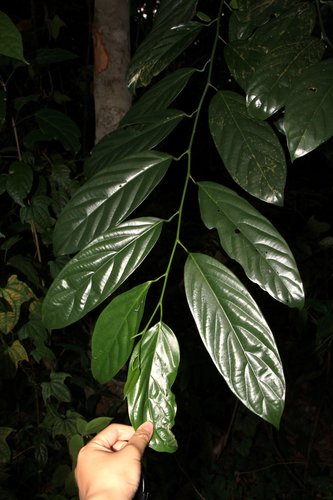
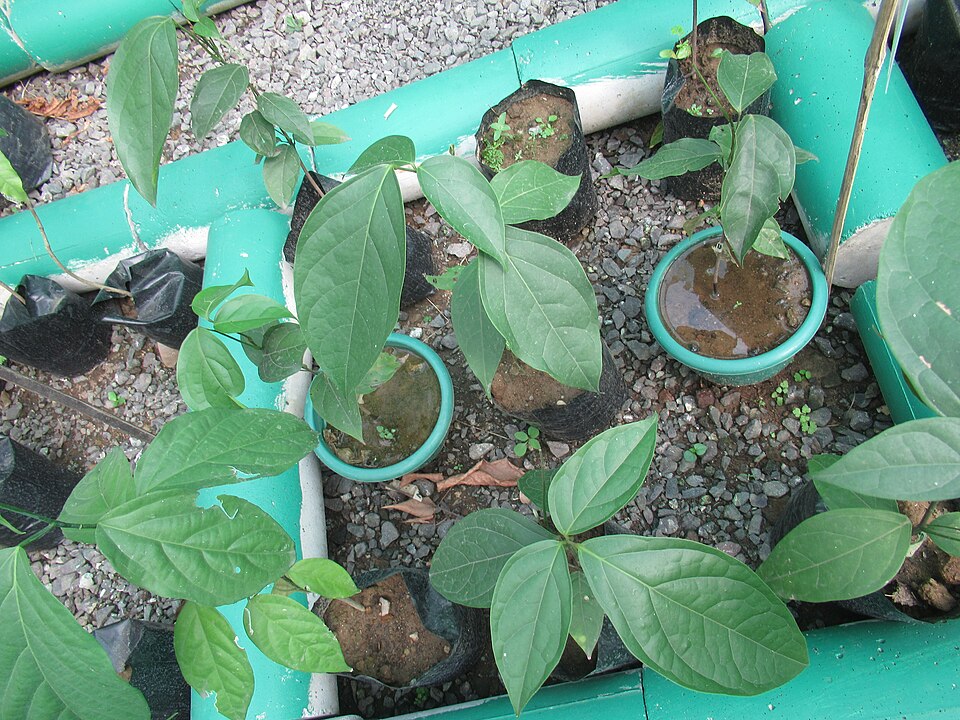
Strombosia scheffleri
Engl.
Strombosia
iNaturalist· cc-by-nc
(c) bryanadkins, some rights reserved (CC BY-NC)
iNaturalist· cc-by-nc
(c) bryanadkins, some rights reserved (CC BY-NC)
Summary
Source: WikipediaStrombosia scheffleri is a medium-sized tree that is native to Tropical Africa, the species is sometimes planted as a shade tree in coffee and cocoa plantations. It belongs to the family Olacaceae.
Description
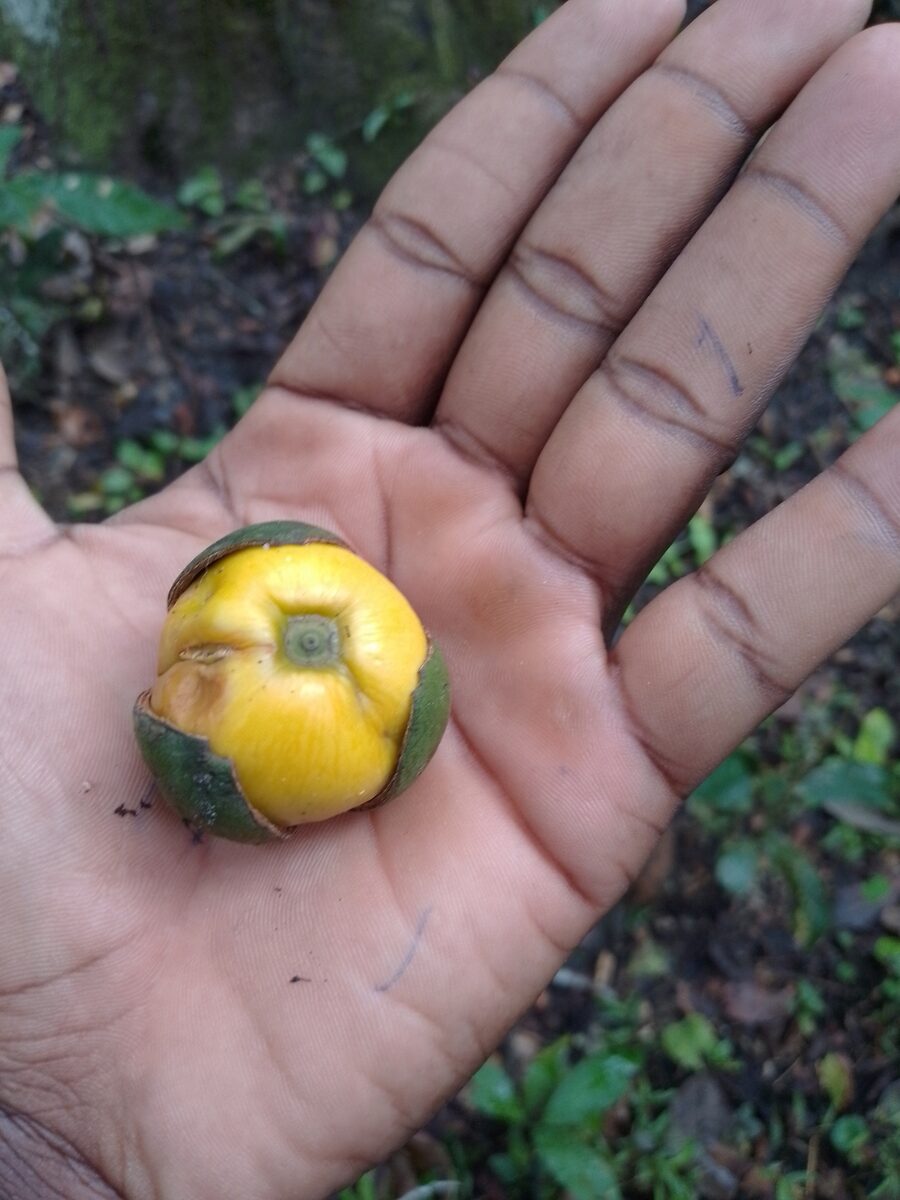
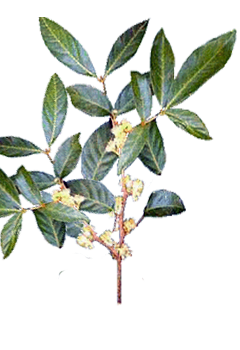
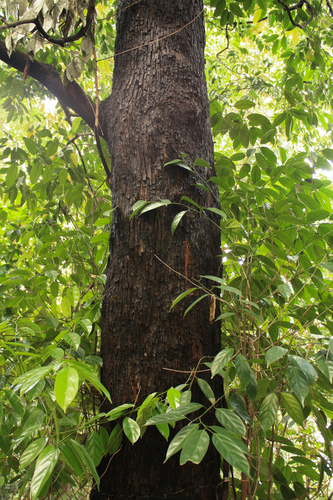
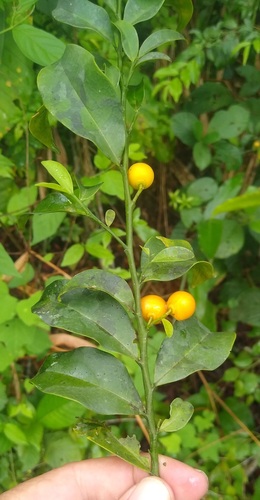
A large tree. It grows to 30 m high. The bark is pale brown peeling to reveal light patches. The leaves are simple and alternate. They are oblong. They are 7-20 cm long by 4-12 cm wide. They are light green. The flowers are clustered on very short side shoots. They are small and yellowish-green. They are about 5 mm long. The sepals form a tube. The fruit are oblong. They are 2.5 cm long. They have a round depression at the tip. They are green when young.
Edible Uses
The kernels, nuts, and seeds are eaten.
Distribution
A tropical plant. It grows in evergreen mountain forest. It grows between 700-1,900 m above sea level.
Where It Grows
Africa, Angola, Cameroon, Central Africa, Congo DR, East Africa, Equatorial Guinea, Kenya, Malawi, Mozambique, Nigeria, Southern Africa, Uganda, West Africa, Zimbabwe,
Other Uses
The red or white wood is very hard and dense. It is used for sleepers, bridges, furniture, and flooring strips, tool handles, stools, spoons and grain mortars. The wood is used for firewood and making charcoal.
Also Known As
Burika, Epinado, Ifundu, Mbazoa
References (7)
- Burkill, H. M., 1985, The useful plants of west tropical Africa, Vol. 4. Kew.
- Mutie, F. M., et al, 2023, Important Medicinal and Food Taxa (Orders and Families) in Kenya, Based on Three Quantitative Approaches. Plants 2023, 12, 1145
- Palgrave, K.C., 1996, Trees of Southern Africa. Struik Publishers. p 160
- Terashima, H., et al, 1992, Ethnobotany of the Lega in the Tropical Rainforest of Eastern Zaire (Congo): Part Two, Zone de Walikale, African Study Monographs, Suppl. 19:1-60
- White, F., Dowsett-Lemaire, F. and Chapman, J. D., 2001, Evergreen Forest Flora of Malawi. Kew. p 418
Show all 7 references Hide references
- Wickens, G.E., 1995, Edible Nuts. FAO Non-wood forest products. FAO, Rome. p146
- World Checklist of Useful Plant Species 2020. Royal Botanic Gardens, Kew