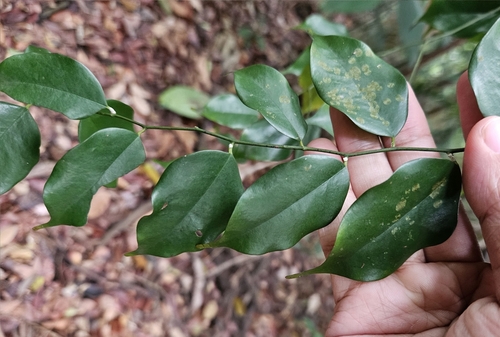
Xanthophyllum amoenum
Chodat
Wikipedia· cc-by-sa
Wikimedia Commons - Xanthophyllum_amoenum.png
gbif· cc0
President and Fellows of Harvard College
Summary
Source: WikipediaXanthophyllum amoenum is a plant species in the family Polygalaceae. Common names include langgir or shampoo fruit.
Description
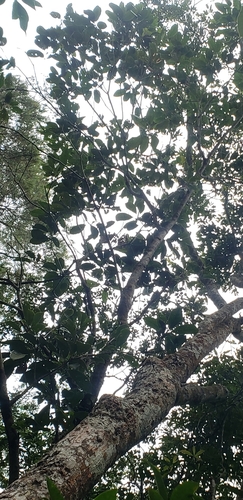
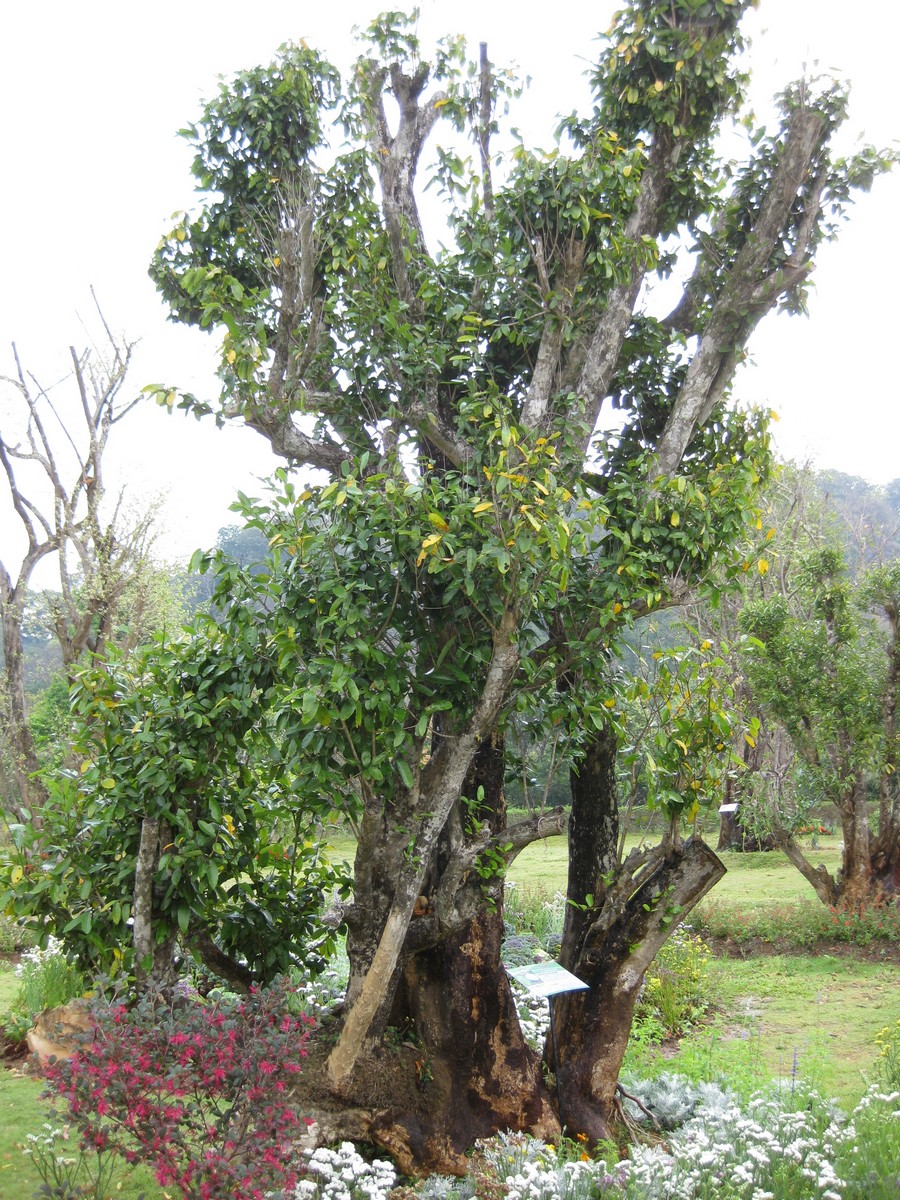
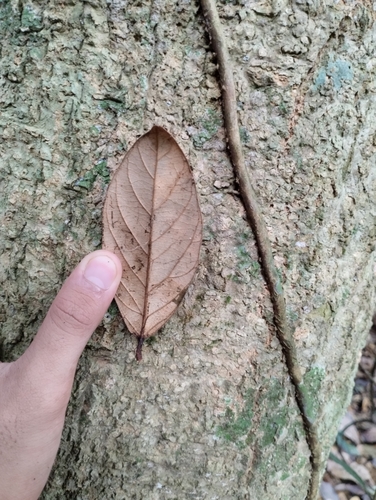
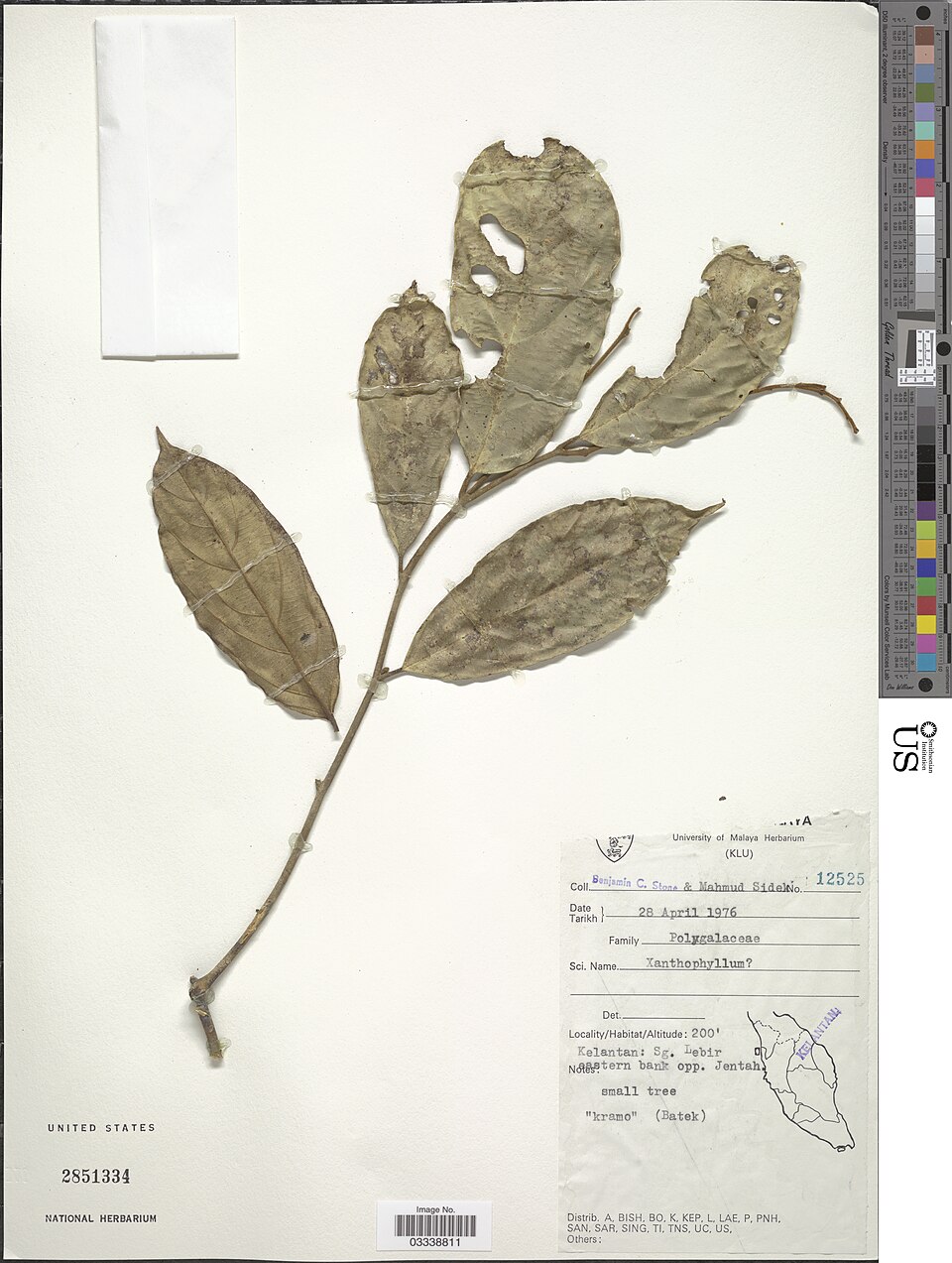
A tree. It grows to 35 m high. The trunk is 80 cm across. The leaves are narrowly oval. They taper to the tip. The base is rounded. They are 6-10 cm long by 3.5-5 cm wide. The midrib is sunken above. There are 5-7 pairs of secondary veins. The flowers are white. The fruit are round or occasionally oval and green, brown, orange or yellow. They are 5 cm across. The fruit are edible.
Edible Uses
Fruit - raw. A sweet, cream-like pulp. The yellow-orange fruits are about 48mm in diameter, with several seeds in the white pulp.
Medicinal Uses
A paste of the fruit is applied to painful areas on the body to relieve the pain.
Distribution
A tropical plant. It grows in mixed forests. They are usually below 200 m altitude but can grow up to 1400 m.
Where It Grows
Asia, Brunei, Indonesia, Malaysia, Sarawak, SE Asia,
Cultivation
A plant of the moist tropics. Grows on sandy to clay soils in the wild.
Other Uses
The fruit skin is used in soap making.
Notes
The Xanthophyllums are in the Indomalaysian regions. Many Xanthophyllaceae can accumulate large amounts of aluminium. There are about 100 Xanthophyllum species.
Nutrition
| Part | Moisture | kJ | kcal | Protein | Vit A | Vit C | Iron | Zinc |
|---|---|---|---|---|---|---|---|---|
| Fruit | 71 | 518 | 124 | 2.3 | — | 1.2 | 0.6 | 33.1 |
Synonyms
Also Known As
Keranji, Lahal, Langir, Mangok, Menyerin, Nyalin, Nyalin paya, Sianglam, Tampasak
References (9)
- Argent, G et al, nd, Manual of the Larger and More important non Dipterocarp Trees of Central Kalimantan Indonesia. Volume 2 Forest Research Institute, Samarinda, Indonesia. p 505
- Chai, P. P. K. (Ed), et al, 2000, A checklist of Flora, Fauna, Food and Medicinal Plants. Lanjak Entimau Wildlife Sanctuary, Sarawak. Forestry Malaysia & ITTO. p 169
- Chai, P.P.K., 2000, Development of the Lanjak Entimau Wild life sanctuary. Final report. ITTO and Sarawak Forestry. p 19
- Hoe, V. B. & Siong, K. H., 1999, The nutritional value of indigenous fruit and vegetables in Sarawak. Asia Pacific J. Clin. Nutr. 8(1):24-31
- MacKinnon, K., 1981, The Ecology of Kalimantan. p 713
Show all 9 references Hide references
- Milow, P., et al, 2013, Malaysian species of plants with edible fruits or seeds and their evaluation. International Journal of Fruit Science. 14:1, 1-27
- Saw, L.G., LaFrankie, J. V. Kochummen, K. M., Yap S. K., 1991, Fruit Trees in a Malaysian Rain Forest. Economic Botany, Vol. 45, No. 1, pp. 120-136
- Siong, K. H., 2003, Indigenous Fruits of Sarawak. Forest Department Sarawak. p 137
- Slik, F., www.asianplant.net