Polygala sibirica
L.
Chinese senega root
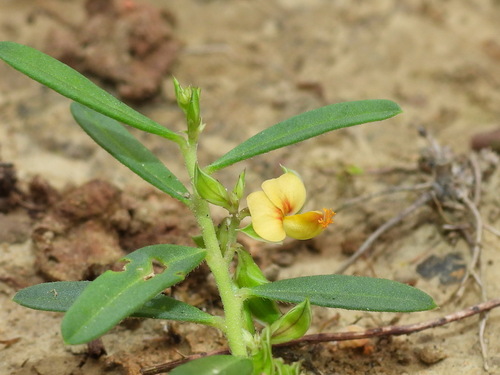
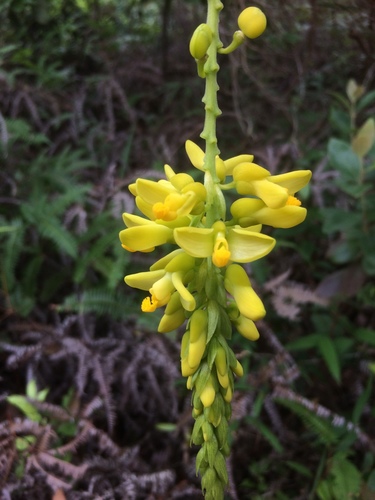
iNaturalist· cc-by-nc
(c) V.S. Volkotrub, some rights reserved (CC BY-NC), uploaded by V.S. Volkotrub
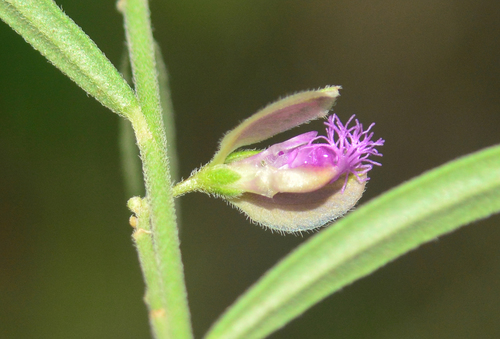
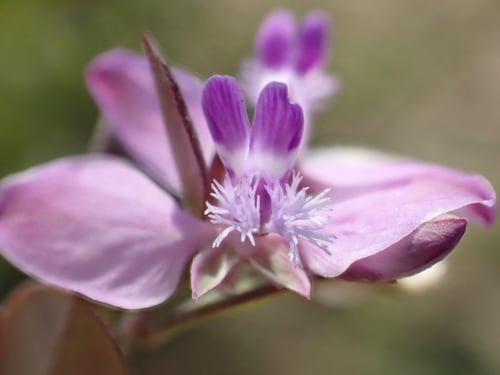
iNaturalist· cc-by-nc
(c) Sergey Mayorov, some rights reserved (CC BY-NC), uploaded by Sergey Mayorov
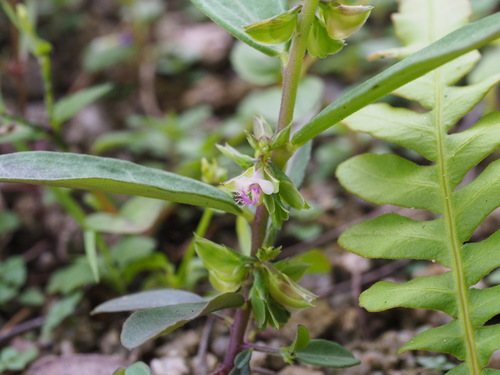
iNaturalist· cc-by-nc
(c) anatoliipomortsev, some rights reserved (CC BY-NC), uploaded by anatoliipomortsev
Summary
A perennial plant reaching 0.2 m tall. Hermaphrodite. Adapts to light sandy, medium loamy, and heavy clay soils with well-drained preference, tolerating mildly acid to neutral, basic, or very alkaline pH. Grows in semi-shade to full sun and tolerates both dry and moist soil.
Description
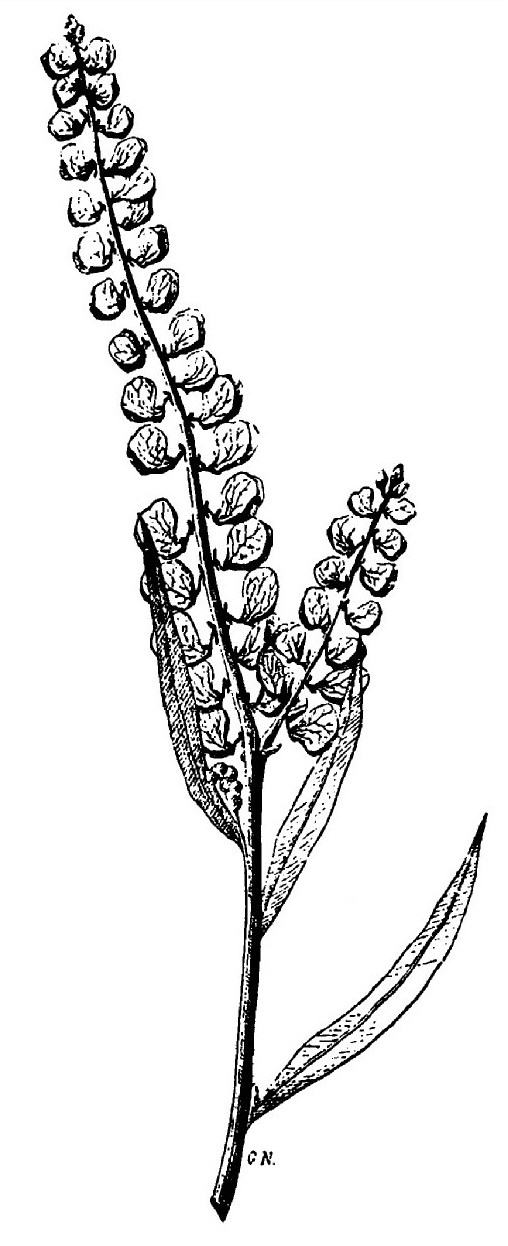
A herb. It keeps growing from year to year. It is erect and grows 10-25 cm high. There are usually many stems from the base. The lower leaves are oval and small and 6 mm long by 4 mm wide. The upper leaves are narrow and 10-20 mm long by 3-6 mm wide.
Edible Uses
Young leaves are eaten cooked. The root is also edible when cooked — based on related species, the core is likely removed before boiling in several changes of water, though no further preparation details specific to this species are recorded.
Traditional Uses
The root is washed and then boiled in several changes of water before eating.
This uses section is brief — help expand it
Medicinal Uses
The leaves are used in the treatment of spermatorrhoea and taken as a kidney tonic. The roots are diuretic, expectorant, haemolytic, and sedative, and their use lowers blood pressure. They are employed in treating coughs, bronchitis, insomnia, infantile convulsions, amnesia, and sexual impotency. The plant is also considered analgesic, diuretic, expectorant, and nervine.
Known Hazards
Although no specific mention has been seen for this species, at least one member of this genus is said to be poisonous in large quantities.
Distribution
It grows in temperate and tropical Asia. In Pakistan it grows between 1,060-2,700 m altitude. In Sichuan and Yunnan.
Where It Grows
Asia, Australia, Bhutan, China, Europe, Himalayas, India, Japan, Korea, Mongolia, Myanmar, Nepal, Pakistan, Russia, SE Asia, Siberia, Tibet, Ukraine,
Cultivation
We have very little information on this species and do not know if it will be hardy in Britain, though judging by its native range it should succeed outdoors in most parts of this country. It is a very variable plant. The following notes are based on the general needs of the genus. Prefers a moderately fertile moisture-retentive well-drained soil, succeeding in full sun if the soil remains moist throughout the growing season, otherwise it is best in semi-shade. Dislikes shade according to another report.
Propagation
Sow seed in spring or autumn in a cold frame. Prick seedlings into individual pots once large enough to handle and grow on in the greenhouse through their first winter. Plant out into permanent positions in late spring or early summer, after the last expected frosts. The plant can also be propagated by division or by cuttings of young shoots taken in late spring and rooted in a frame.
Other Uses
None known.
Notes
There are about 600 Polygala species.
Synonyms
Also Known As
Yuan zhi
References (6)
- Flora of Pakistan. www.eFloras.org
- Hedrick, U.P., 1919, (Ed.), Sturtevant's edible plants of the world. p 510
- Lim, T. K., 2015, Edible Medicinal and Non Medicinal Plants. Volume 9, Modified Stems, Roots, Bulbs. Springer p 66
- Plants for a Future database, The Field, Penpol, Lostwithiel, Cornwall, PL22 0NG, UK. http://www.scs.leeds.ac.uk/pfaf/
- Sp. pl. 2:702. 1753
Show all 6 references Hide references
- Urgamal, M., Oyuntsetseg, B., Nyambayar, D. & Dulamsuren, Ch. 2014. Conspectus of the vascular plants of Mongolia. (Editors: Sanchir, Ch. & Jamsran, Ts.). Ulaanbaatar, Mongolia. “Admon“ Press. 334pp. (p. 143-158).