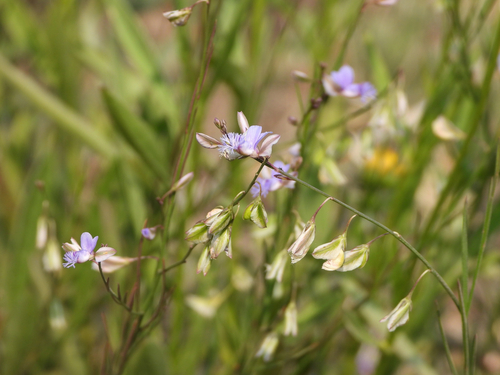
Polygala vulgaris
Linn.
Milkwort
iNaturalist· cc-by-nc
(c) Pablo de la Fuente Brun, some rights reserved (CC BY-NC), uploaded by Pablo de la Fuente Brun
iNaturalist· cc-by-nc
(c) bragues, some rights reserved (CC BY-NC)
iNaturalist· cc-by-nc-sa
(c) Kevin Thiele, some rights reserved (CC BY-NC-SA)
Summary
Source: WikipediaPolygala vulgaris, known as the common milkwort, is a herbaceous perennial plant of the genus Polygala in the family Polygalaceae.
Description
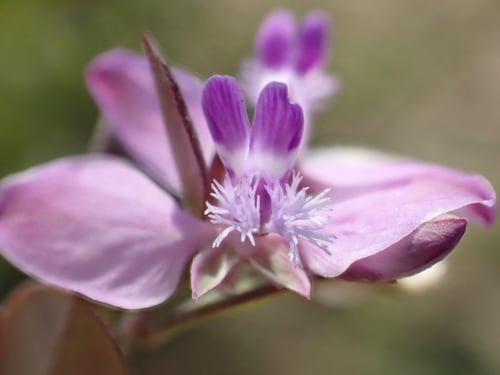
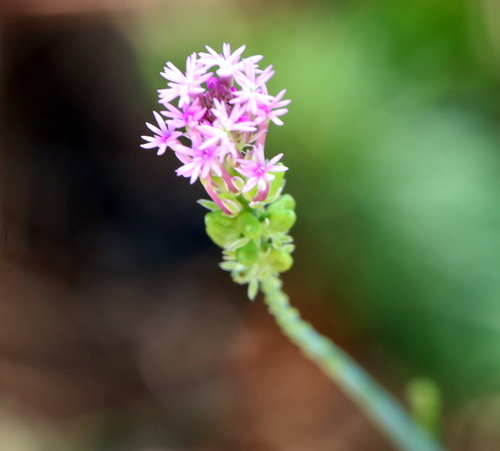
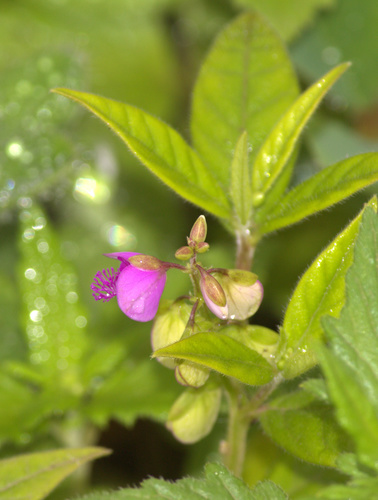
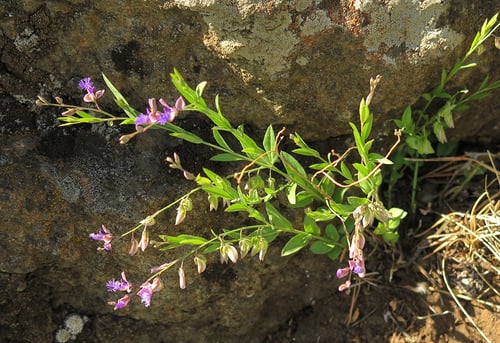
A bush that keeps growing from year to year. It is often a low plant. It grows 15 cm high and spreads 10 cm wide. The stem is erect and simple. The leaves at the base are fattened and oval and the ones on the stem are more narrow. The flowers are small and in dense racemes. The flowers are 5-8 mm long. They are blue, red or white. The wings have 3 veins.
Edible Uses
The leaves are used as a substitute for tea and are also used to adulterate green China tea.
Traditional Uses
The leaves have been added to green tea.
This uses section is brief — help expand it
Medicinal Uses
Despite milkwort's reputation for increasing milk flow in nursing mothers, this belief is unfounded. The root and aerial parts contain triterpenoid saponins that help clear phlegm from the bronchial tubes, making the plant useful for chronic bronchitis, bronchial asthma, and convulsive coughs such as whooping cough. The plant is also thought to have diaphoretic and diuretic properties.
Known Hazards
Although no specific mention has been seen for this species, at least one member of this genus is said to be poisonous in large quantities.
Distribution
It is a Mediterranean plant. It grows in grassy and stony places. It does best in a light to medium well-drained soil. It needs an open sunny position. It is resistant to frost and drought. Tasmania Herbarium.
Where It Grows
Australia, Europe*, France, Greece, Italy, Luxembourg, Mediterranean, Portugal, Spain, Tasmania, Turkey, Türkiye,
Cultivation
Prefers a moderately fertile moisture-retentive well-drained soil, succeeding in full sun if the soil remains moist throughout the growing season, otherwise it is best in semi-shade. Dislikes shade according to another report. A very polymorphic species.
Propagation
Sow seed in spring or autumn in a cold frame. Prick seedlings into individual pots once large enough to handle and grow on in the greenhouse through their first winter. Plant out into permanent positions in late spring or early summer, after the last expected frosts. The plant can also be propagated by division or by cuttings of young shoots taken in late spring and rooted in a frame.
Other Uses
None known.
Notes
It has anticancer properties.
Synonyms
References (5)
- Blamey, M and Grey-Wilson, C., 2005, Wild flowers of the Mediterranean. A & C Black London. p 125
- Bodkin, F., 1991, Encyclopedia Botanica. Cornstalk publishing, p 818
- Hedrick, U.P., 1919, (Ed.), Sturtevant's edible plants of the world. p 510
- Kintzios, S. E., 2006, Terrestrial Plant-Derived Anticancer Agents and Plant Species Used in Anticancer research. Critical Reviews in Plant Sciences. 25: pp 79-113
- Tasmanian Herbarium Vascular Plants list p 44