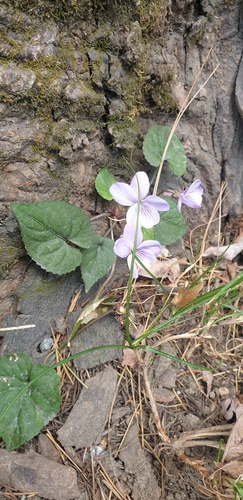
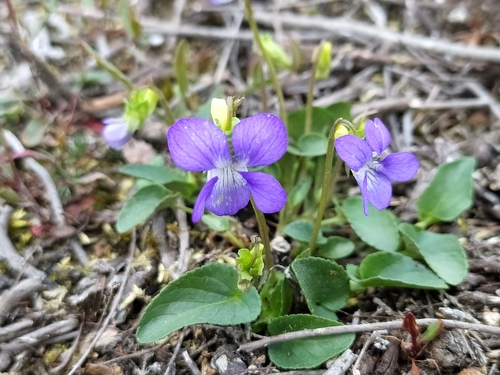
Viola papilionacea
Pursh
Common Blue Violet
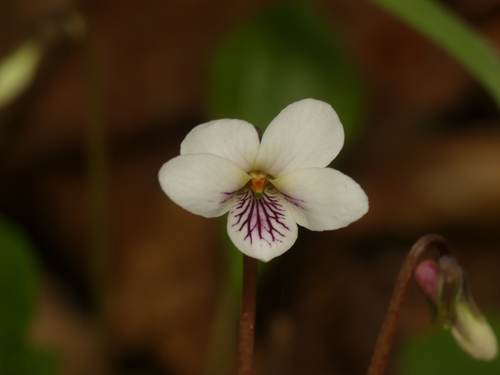
iNaturalist· cc-by
(c) Alex Abair, some rights reserved (CC BY)
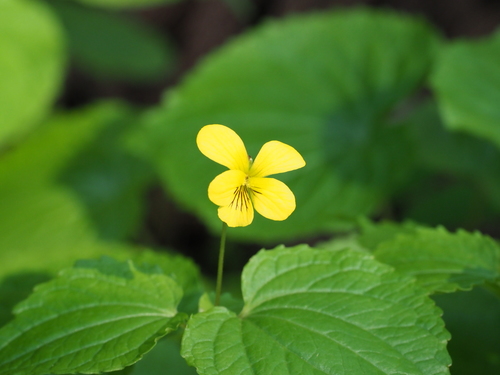
iNaturalist· cc-by
(c) Alex Abair, some rights reserved (CC BY)
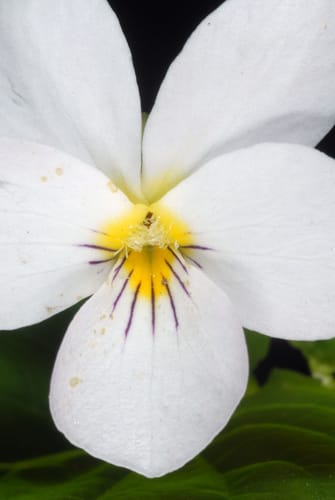
iNaturalist· cc-by
(c) Alex Abair, some rights reserved (CC BY)
Description
A temperate herbaceous violet with young leaves high in Vitamin A & C.
This description is brief — help expand it
Edible Uses
Young leaves are cooked and served like spinach. Flowers are made into jams, jellies, sweetmeats, syrup, and salads.
Traditional Uses
The young leaves are cooked and served like spinach. The flowers are made into jams, jellies, sweetmeats, syrup and salads.
This uses section is brief — help expand it
Medicinal Uses
Beyond its use as a common lawn and garden plant, Viola sororia has historically been used for food and for medicine. The flowers and leaves are edible, and some sources suggest the roots can also be eaten. The Cherokee have used it to treat colds and headaches. Rafinesque, in his Medical Flora, a Manual of the Medical Botany of the United States of North America (1828–1830), wrote of Viola sororia being used by his American contemporaries for coughs, sore throats, and constipation. Viola sororia can be used to decorate walkways and park areas. It is used as a wildflower in lawns, though some consider Viola sororia a weed despite its being a resource for pollinators and importance as host plant to various fritillary butterflies, including the greater fritillaries in genus Speyeria. Viola sororia is high in vitamins A and C. The young leaves and flower buds can be eaten raw or cooked, or brewed for a tea. It may also work as an anti-inflammatory and has been used topically for skin conditions. Viola sororia is deer resistant.
Known Hazards
Viola sororia leaves and flowers are edible in moderation and also safe to plant around pets.
Distribution
It is a temperate plant.
Where It Grows
Asia, Korea, North America, Slovenia, USA,
Notes
There are about 500 Viola species. The leaves are high in Vitamin A & C.
Nutrition
| Part | Moisture | kJ | kcal | Protein | Vit A | Vit C | Iron | Zinc |
|---|---|---|---|---|---|---|---|---|
| Leaves | — | — | — | 20000 | 264 | — | — | — |