Viola banksii
K. R. Thiele & Prober
Ivy-leaf violet
iNaturalist· cc-by-sa
(c) Ghislain118 (AD), some rights reserved (CC BY-SA)
iNaturalist· cc-by-nc
(c) Dewald du Plessis, some rights reserved (CC BY-NC)
iNaturalist· cc-by-nc-sa
(c) Reiner Richter, some rights reserved (CC BY-NC-SA), uploaded by Reiner Richter
Summary
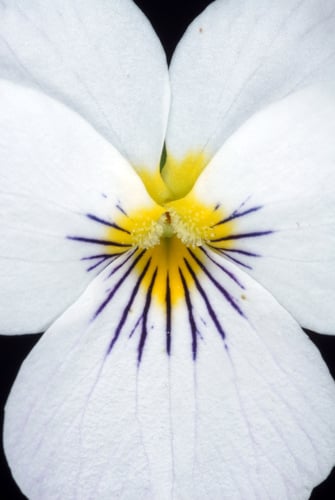
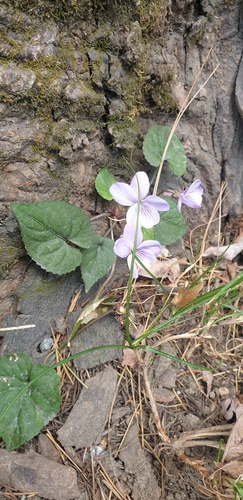
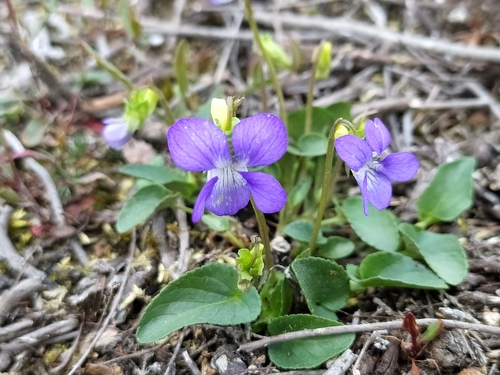
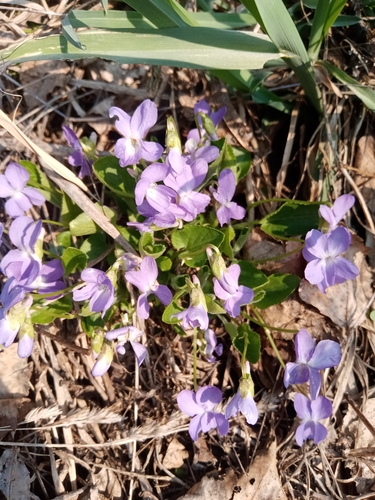
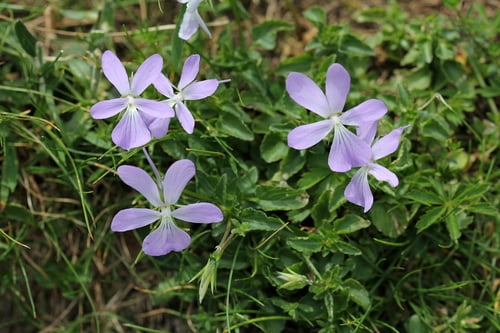
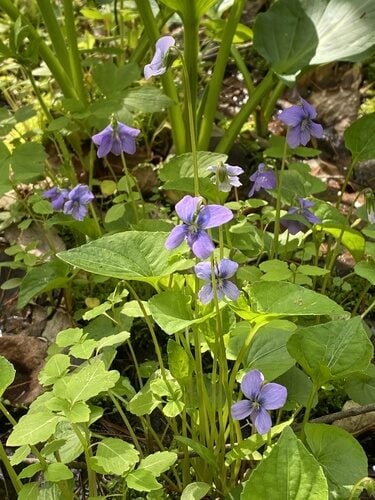
Source: WikipediaViola banksii, commonly known as native violet, is sold and grown throughout garden nurseries and grown and loved in gardens around Australia, especially in the east. For many years it was known as Viola hederacea, however, the species complex was revised in 2004 by Kevin Thiele, with the name Viola banksii being published in 2003 by Kevin Thiele and Suzanne Prober. Although the Native Violet was initially collected by Banks and Solander, the type specimen was either lost or not provided until a collection by Jacques Labillardière in Tasmania. Thiele discovered that the original type specimen of V. hederacea collected by Labillardière was not the same as the hardier and showier plant later collected, cultivated and widely sold. This second form, native to the east coast from near Brisbane to Batemans Bay, he named Viola banksii. This species is distinguished by its striking purple and white flowers. As well, the fully developed leaves are almost circular in outline with a deep, narrow, v-shaped sinus at the base, and are usually rather bright, fresh green.
Description
A herb that keeps growing from year to year. It grows 17 cm tall and spreads 1-2 m wide. It has rings of green leaves 15-20m m long and 20-30 mm wide. It has a single flower in stalks 6-17 cm tall. They are white with violet centres. The fruit are brown and 9 mm by 4 mm in size.
Edible Uses
The flowers can be eaten raw or used in salads.
Traditional Uses
The flowers can be eaten or used in salads.
This uses section is brief — help expand it
Distribution
It is a temperate plant.
Where It Grows
Australia*,
Notes
The scientific name is ambiguous.
References (1)
- Hastings Advance Community College, 2017, Uses for Native Plants of the Mornington Peninsula. 86pp. p 80