Viola blanda
Willd.
Sweet white violet
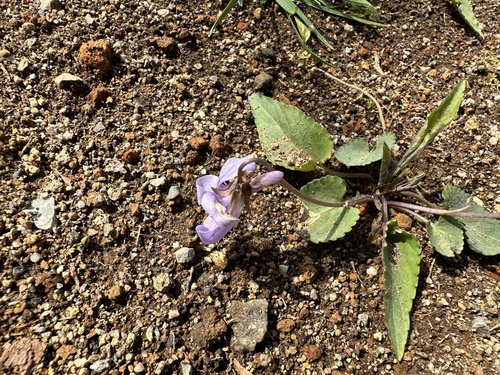
iNaturalist· cc-by-nc
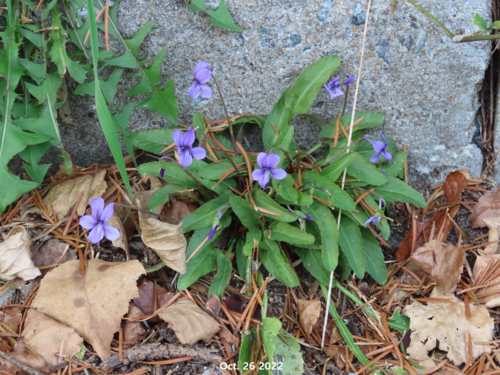
(c) Shaun Pogacnik, some rights reserved (CC BY-NC), uploaded by Shaun Pogacnik
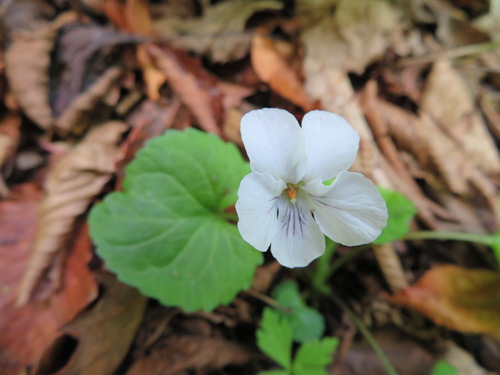
iNaturalist· cc-by-nc
(c) Shaun Pogacnik, some rights reserved (CC BY-NC), uploaded by Shaun Pogacnik
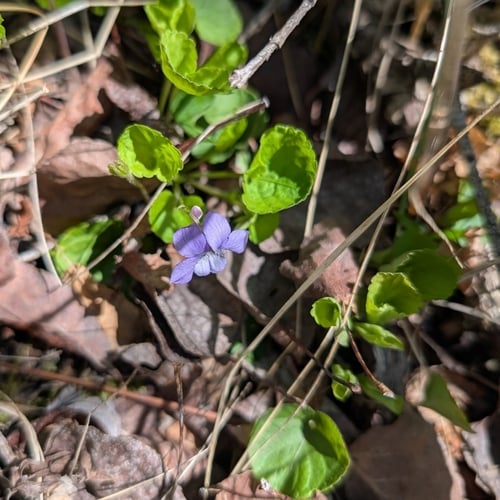
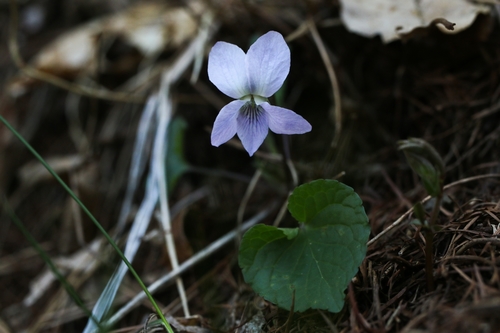
iNaturalist· cc-by-sa
(c) Douglas Goldman, some rights reserved (CC BY-SA), uploaded by Douglas Goldman
Summary
Source: WikipediaViola blanda, commonly called the sweet white violet, is a flowering perennial plant in the Violet family (Violaceae). It is native to parts of south-eastern and south-central Canada and the eastern, and north-central, United States. Its natural habitat is in cool, mesic forests.
Description
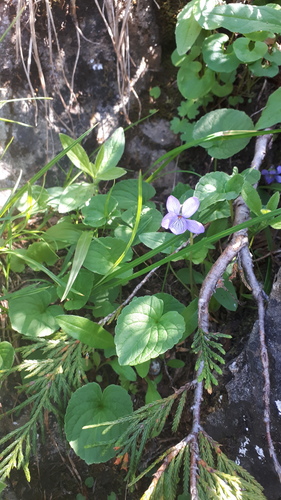
It has creeping rhizomes or underground stems. The leaves can have white hairs. The runners are 3-20 cm long and form roots at the nodes. There are 2-9 leaves at the base and they are heart shaped and 2-4 cm long and wide.
Edible Uses
The leaves and stems are mixed with other greens, parboiled, then rinsed and fried.
Traditional Uses
The leaves and stems mixed with other greens and parboiled, then rinsed and fried.
This uses section is brief — help expand it
Distribution
It is a temperate plant.
Where It Grows
North America, USA,
References (1)
- Moerman, D. F., 2010, Native American Ethnobotany. Timber Press. p 597