Vigna minima
(Roxb.) Ohwi & H. Ohashi
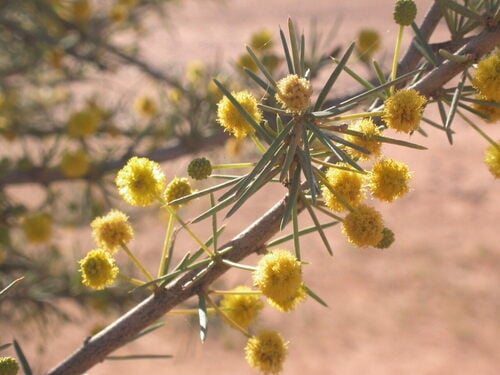
iNaturalist· cc-by-nc
(c) Liu JimFood, some rights reserved (CC BY-NC), uploaded by Liu JimFood
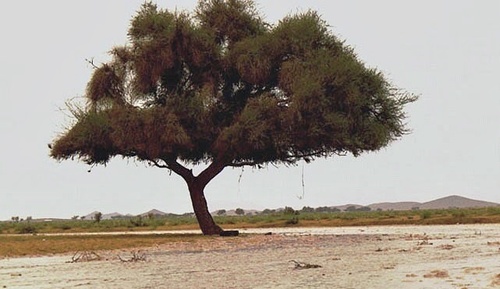
iNaturalist· cc-by-nc
(c) Alexander Ganse, some rights reserved (CC BY-NC)
Description
A climbing herb. It can be 4-5 m long. It grows each year from seeds. The leaflets are narrow. The flowers are yellow. The pods are smooth.
This description is brief — help expand it
Edible Uses
The dry seeds are eaten; flowers and pods are also edible portions of the plant.
Traditional Uses
The dry seeds are eaten.
This uses section is brief — help expand it
Distribution
A tropical plant. It grows in thickets and among coarse grasses. In Yunnan.
Where It Grows
Asia, Cambodia, China, Indochina, Japan, Pacific, Papua New Guinea, PNG, Philippines, SE Asia, Taiwan, Vietnam,
Cultivation
This species has a symbiotic relationship with certain soil bacteria; these bacteria form nodules on the roots and fix atmospheric nitrogen. Some of this nitrogen is utilized by the growing plant but some can also be used by other plants growing nearby.
Notes
There are about 150 Vigna species. They are mostly in the tropics.
Synonyms
Also Known As
Dau-be, Sanneak prey
References (4)
- J. Jap. Bot. 44:30. 1969
- Pham-Hoang Ho, 1999, An Illustrated Flora of Vietnam. Nha Xuat Ban Tre. p 962
- PROSEA No. 1
- Verdcourt, B., 1979, Manual of New Guinea Legumes. Botany Bulletin No 11, Division of Botany, Lae, Papua New Guinea. p 520