Acacia retinodes
Schltdl.
Wirilda, Swamp Wattle
iNaturalist· cc-by-nc
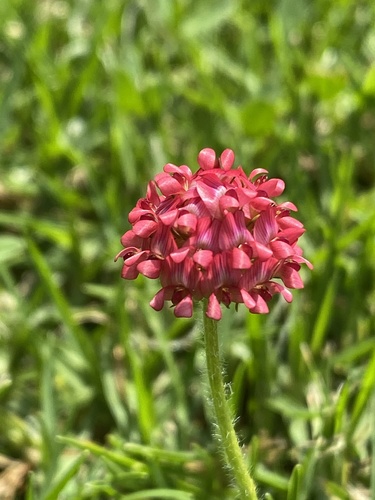
(c) Alfonso Gutiérrez Aldana, some rights reserved (CC BY-NC), uploaded by Alfonso Gutiérrez Aldana
iNaturalist· cc-by-sa
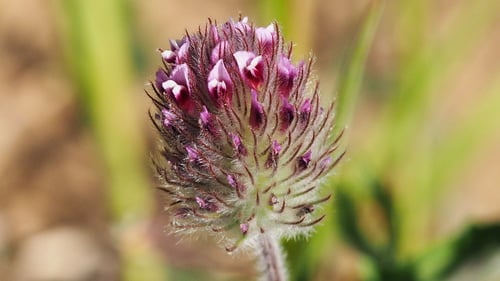
(c) C T Johansson, some rights reserved (CC BY-SA)
iNaturalist· cc-by
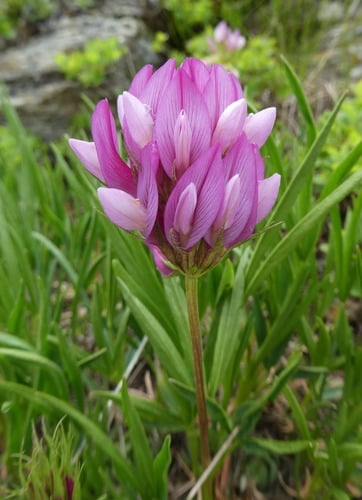
(c) Forest and Kim Starr, some rights reserved (CC BY)
Summary
Source: WikipediaAcacia retinodes is an evergreen shrub that is native to South Australia, Victoria and Tasmania. Short racemes of yellow flowers are produced periodically throughout the year. Some common names are retinodes water wattle, swamp wattle, wirilda, ever-blooming wattle and silver wattle.
Description
A shrub or small tree. It grows 5 m tall. There are prickles along the stem. The leaves are twice divided and there are 8-18 pairs of pinnae. There are up to 50 pairs of pinnules on each pinnae. The flowers are yellow. They are in large clusters at the ends of branches. The pods are flattened.
Edible Uses
Flowers are cooked and, being rich in pollen, are frequently used in fritters. Seeds are also edible, though no further preparation details are given; the seedpods can grow up to 18cm long. Acacia seeds are highly nutritious, containing approximately 26% protein, 26% available carbohydrate, 32% fibre, and 9% fat. The fat content is higher than most legumes, with the aril providing the bulk of the fatty acids, which are largely unsaturated — a health advantage, though one that presents storage challenges since such fats oxidise readily. The mean total carbohydrate content of 55.8 ± 13.7% is lower than lentils but higher than soybeans, while the mean fibre content of 32.3 ± 14.3% exceeds other legumes such as lentils, which register 11.7%. Energy content averages 1480 ± 270 kJ per 100g. Wattle seeds are low glycaemic index foods — their starch is digested and absorbed slowly, producing a small but sustained rise in blood glucose and delaying the onset of exhaustion during prolonged exercise.
Traditional Uses
The pods are eaten. The seeds are eaten. They can be used to make flour for breads, cakes, pastries and desserts.
This uses section is brief — help expand it
Medicinal Uses
None known.
Distribution
It is a warm temperate plant. It occurs naturally in the cooler parts of Australia. It grows on light to medium soils. It requires well drained soils and a sunny position although it can stand light shade. It is drought and frost resistant. It can grow in arid places. They grow where the minimum temperature is 3-5°C. In Tasmania they occur on Flinders Island. It can tolerate short periods of being in waterlogged soils. It can tolerate some salt. It suits hardiness zones 8-10. Arboretum Tasmania.
Where It Grows
Africa, Argentina, Asia, Australia*, Azores, Bolivia, Britain, Caucasus, Colombia, Costa Rica, Cyprus, Dominican Republic, East Africa, Easter Island, Ecuador, Egypt, Ethiopia, Europe, France, Hawaii, Honduras, India, Indochina, Indonesia, Israel, Italy, Kenya, Mauritius, Mediterranean, Middle East, Morocco, New Zealand, North Africa, North America, Northeastern India, Peru, Philippines, Portugal, Romania, Russia, SE Asia, South Africa, Southern Africa, South America, Spain, Tasmania*, Tunisia, USA, Vietnam, Yugoslavia, Zimbabwe,
Cultivation
Prefers a well-drained sandy loam and a very sunny position, but it also stands drought and wet well. Succeeds in any good garden soil, this species is said to be fairly lime tolerant. Succeeds in a hot dry position. Plants are fairly tolerant of salt in the soil and salt-laden winds. This species is said to be hardy from mid-Sussex southwards and westwards. However, trees are not very hardy outdoors in most parts of Britain and even in the mildest areas of the country they are likely to be killed in excessively harsh winters. A very ornamental tree. This species has a symbiotic relationship with certain soil bacteria, these bacteria form nodules on the roots and fix atmospheric nitrogen. Some of this nitrogen is utilized by the growing plant but some can also be used by other plants growing nearby.
Propagation
Seed is best sown as soon as it is ripe in a sunny position in a warm greenhouse. Stored seed should be scarified, pre-soaked for 12 hours in warm water, then sown in a warm greenhouse in March; germination takes 3–4 weeks at 25°C. Once seedlings are large enough to handle, prick them out into individual pots and grow on in a sunny greenhouse through their first winter. Plant out in late spring or early summer after the last expected frosts, with some cold protection recommended for the first winter outdoors. Cuttings of half-ripe wood with a heel can be taken in July or August, potted individually in a frame, overwintered in a greenhouse, and planted out in late spring or early summer. Success rate is fair.
Other Uses
A yellow dye is obtained from the flowers and a green dye from the seed pods. The plant's extensive root system helps prevent soil erosion. This species is a nitrogen fixer.
Production
It grows quickly. Flowers are produced November to January. Trees do not live a long time.
Notes
There are about 1,350 Acacia species. Over 1,000 occur in Australia. Also as Mimosaceae.
Synonyms
Also Known As
Keo son, Silver Wattle
References (27)
- Blamey, M and Grey-Wilson, C., 2005, Wild flowers of the Mediterranean. A & C Black London. p 79
- Bodkin, F., 1991, Encyclopedia Botanica. Cornstalk publishing, p 31
- Bonney, N., 1997, Economic Native Trees and Shrubs for South Australia. Greening Australia (SA) inc. Campbelltown SA 5074 p 18
- Bonney, N., 2012, Edible Wild Native Plants for Southern Australia. p 13
- Boomsma, C.D., 1972, Native Tree of South Australia. Woods & Forests Department South Australia, Bulletin No.19. p 43
Show all 27 references Hide references
- Brickell, C. (Ed.), 1999, The Royal Horticultural Society A-Z Encyclopedia of Garden Plants. Convent Garden Books. p 61
- Cherikoff V. & Isaacs, J., The Bush Food Handbook. How to gather, grow, process and cook Australian Wild Foods. Ti Tree Press, Australia p 47
- Clarke,P. A., 2013, The Aboriginal Ethnobotany of the Adelaide Region, South Australia. Transactions of the Royal Society of South Australia. (2013), 137(1): 97-126
- Cribb, A.B. & J.W., 1976, Wild Food in Australia, Fontana. p 103
- Cundall, P., (ed.), 2004, Gardening Australia: flora: the gardener's bible. ABC Books. p 78
- Curtis, W.M., 1956, The Students Flora of Tasmania Vol 1 p 124
- Dashorst, G.R.M., and Jessop, J.P., 1998, Plants of the Adelaide Plains & Hills. Botanic Gardens of Adelaide and State Herbarium. p 78
- Elliot, W.R., & Jones, D.L., 1982, Encyclopedia of Australian Plants suitable for cultivation. Vol 2. Lothian. p 106
- Facciola, S., 1998, Cornucopia 2: a Source Book of Edible Plants. Kampong Publications, p 151 (As Acacia retinodes)
- Hemphill, I, 2002, Spice Notes. Macmillan. p 413
- Kew Plants of the World Online
- Lazarides, M. & Hince, B., 1993, Handbook of Economic Plants of Australia, CSIRO. p 6
- Linnaea 20:664. 1847
- Lord, E.E., & Willis, J.H., 1999, Shrubs and Trees for Australian gardens. Lothian. p 41
- Maslin, B. R., et al, 1998, Edible Wattle Seeds of Southern Australia. CSIRO p 42
- Pham-Hoang Ho, 1999, An Illustrated Flora of Vietnam. Nha Xuat Ban Tre. p 821
- Plants for a Future database, The Field, Penpol, Lostwithiel, Cornwall, PL22 0NG, UK. http://www.scs.leeds.ac.uk/pfaf/
- Robins, J., 1996, Wild Lime. Cooking from the Bush food garden. Allen & Unwin p 166
- Royal Botanic Gardens, Kew (1999). Survey of Economic Plants for Arid and Semi-Arid Lands (SEPASAL) database. Published on the Internet; http://www.rbgkew.org.uk/ceb/sepasal/internet [Accessed 27th April 2011]
- Whiting, J. et al, 2004, Tasmania's Natural Flora. Tasmania's Natural Flora Editorial Committee PO Box 194, Ulverstone, Tasmania, Australia 7315 p 213
- World Checklist of Useful Plant Species 2020. Royal Botanic Gardens, Kew
- www.ceres.org/au/bushfood catalogue