Viburnum suspensum
Lindley
Hanging viburnum
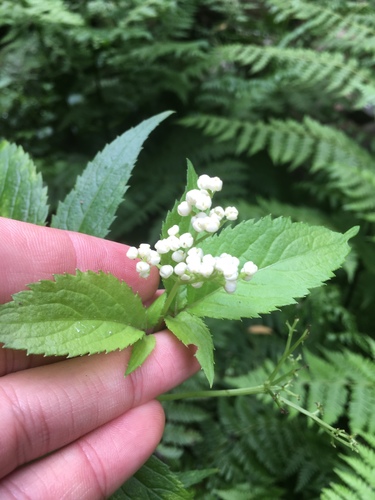
iNaturalist· cc-by-nc
(c) α Sco, some rights reserved (CC BY-NC), uploaded by α Sco
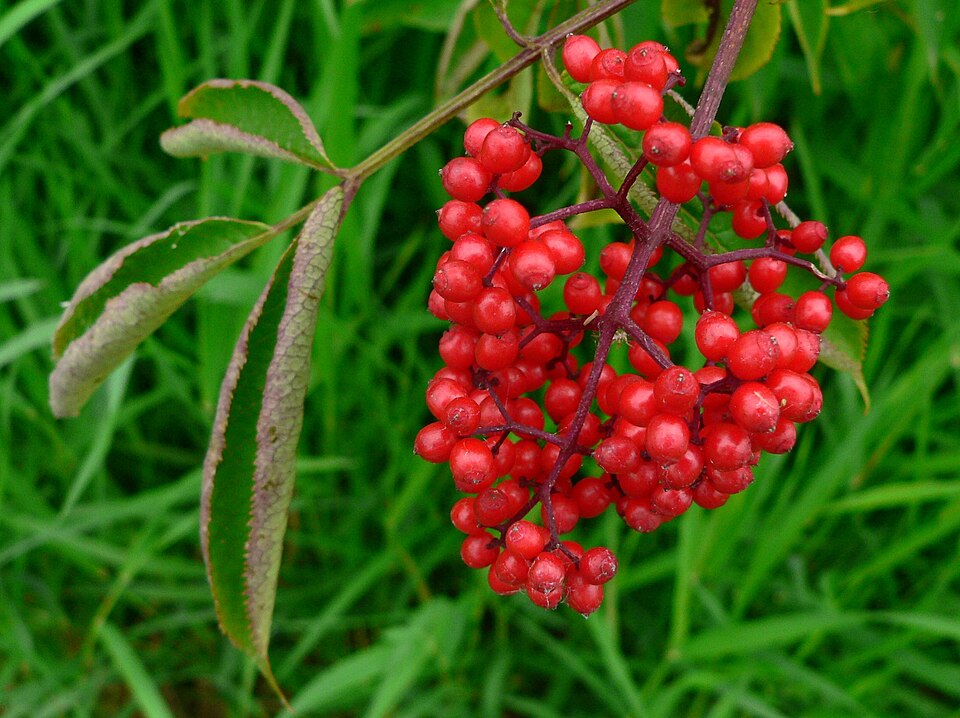
iNaturalist· cc-by-nc
(c) babisloyfakis, some rights reserved (CC BY-NC)
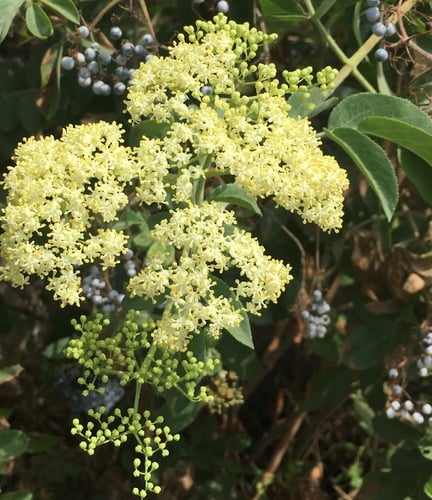
iNaturalist· cc-by
(c) 呂一起(Lu i-chi), some rights reserved (CC BY)
Summary
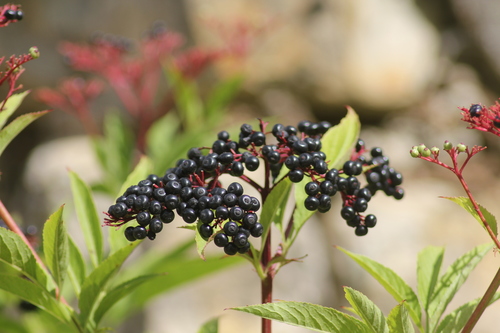
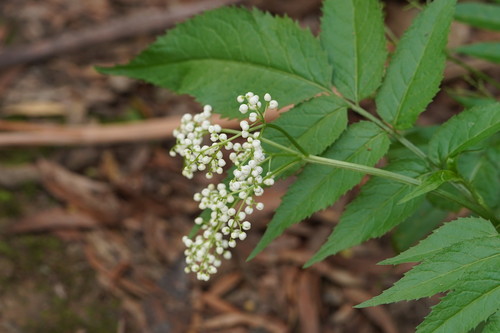
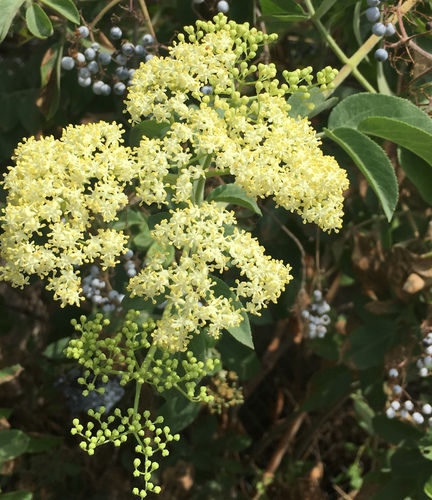
Source: WikipediaViburnum suspensum, commonly called Sandankwa viburnum, is a compact, perennial shrub, native to Japan. It grows up to 3.7 m in height. The coarse leaves are dark green and densely cover the shrub. They are oval with serrated edges about 3.5 inches (8.9 cm) long and 2 inches (5 cm) wide and are held oppositely on rough textured, dark brown stems. Small tubular flowers are borne on the ends of new branches in the spring, and sporadically appear in the summer. They are white to pale pink, followed by small red berries in the fall that attract wildlife.
Description
An evergreen shrub. It grows 4 m tall. The leaves are opposite and leathery. They are oval and 5-10 cm long. They can have coarse teeth around the edge. The flowers are in short groups. The fruit is red and round. It is fleshy and has one seed. It is about 5 mm across.
Edible Uses
The fruit can be eaten raw or cooked. The whole plant is said to be edible and aromatic, though it is unlikely to be palatable.
Medicinal Uses
None known
Known Hazards
None known
Distribution
It is a temperate plant. It grows in mountain regions. Melbourne Botanical gardens. Arboretum Tasmania.
Where It Grows
Asia, Australia, Hawaii, Indonesia, Japan*, Pacific, SE Asia, Taiwan, Tasmania, USA,
Cultivation
An easily grown plant, it succeeds in most soils but is ill-adapted for poor soils and for dry situations. It prefers a deep rich loamy soil in sun or semi-shade. Best if given shade from the early morning sun in spring. This species is not very hardy in Britain, though it can succeed outdoors in the milder areas of the country. It does not flower freely in this country unless it is in a hot sunny position and fruit is rarely produced. Plants are self-incompatible and need to grow close to a genetically distinct plant in the same species in order to produce fruit and fertile seed.
Propagation
Seed is best sown in a cold frame as soon as it is ripe. Germination can be slow, sometimes taking more than 18 months. If seed is harvested green — fully developed but not yet fully ripened — and sown immediately in a cold frame, it should germinate in spring. Stored seed requires 2 months warm then 3 months cold stratification and can still take 18 months to germinate. Prick out seedlings into individual pots when large enough to handle and grow on in a cold frame or greenhouse. Plant out into permanent positions in late spring or early summer of the following year. Softwood cuttings taken in early summer in a frame: pot up into individual pots once rooting begins and plant out in late spring or early summer the following year. Half-ripe cuttings, 5–8 cm long with a heel if possible, taken in July/August in a frame: pot up as soon as rooting starts. These cuttings can be difficult to overwinter and are best kept in a greenhouse or cold frame until the following spring before planting out. Mature wood cuttings taken in winter in a frame should root in early spring — pot up when large enough and plant out in summer if sufficient new growth has been made, otherwise overwinter in a cold frame and plant out the following spring. Layering of current season's growth in July/August takes 15 months.
Other Uses
None known
Notes
There are about 150 Viburnum species. Also put in the family Caprifoliaceae. An unresolved name in The Plant List.
Synonyms
Also Known As
Gomeju, Gumuru, Sandankwa, Virburnum berjuntai
References (7)
- Hibbert, M., 2002, The Aussie Plant Finder 2002, Florilegium. p 306
- J. Hort. Soc. London 8:130. 1853
- Lord, E.E., & Willis, J.H., 1999, Shrubs and Trees for Australian gardens. Lothian. p 269
- Plants for a Future database, The Field, Penpol, Lostwithiel, Cornwall, PL22 0NG, UK. http://www.scs.leeds.ac.uk/pfaf/
- Ryan, S., 2008, Dicksonia. Rare Plants Manual. Hyland House. p 61
Show all 7 references Hide references
- Staples, G.W. and Herbst, D.R., 2005, A tropical Garden Flora. Bishop Museum Press, Honolulu, Hawaii. p 223
- Sukarya, D. G., (Ed.) 2013, 3,500 Plant Species of the Botanic Gardens of Indonesia. LIPI p 731