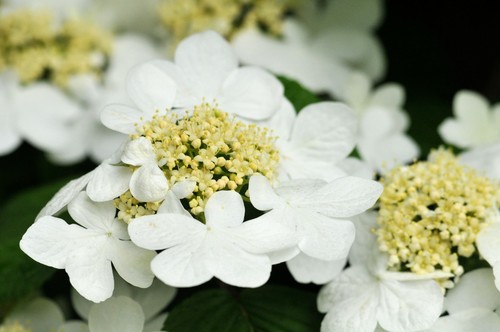
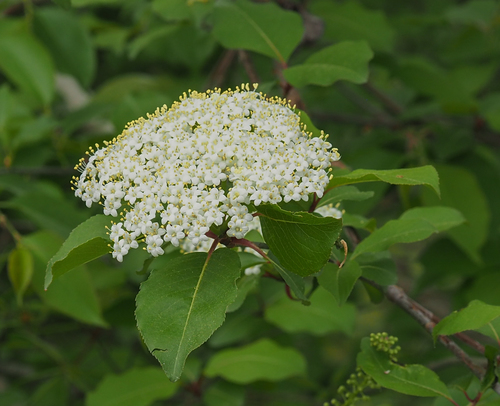
Sambucus australasica
(Lindl.) Fritsch
Yellow elderberry
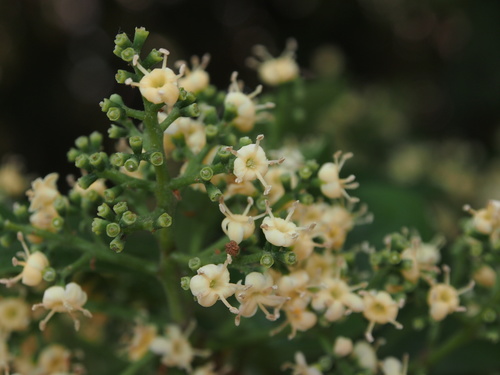
iNaturalist· cc-by-nc
(c) bennybotany85, some rights reserved (CC BY-NC), uploaded by bennybotany85
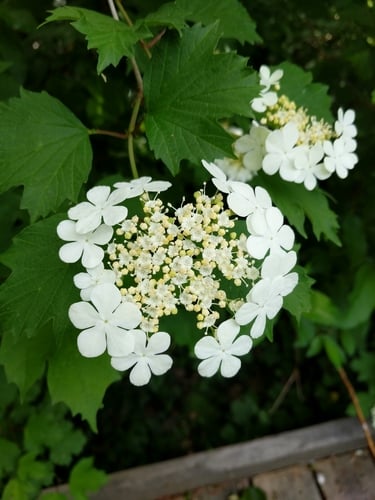
iNaturalist· cc-by-sa
(c) Greg Tasney, some rights reserved (CC BY-SA), uploaded by Greg Tasney
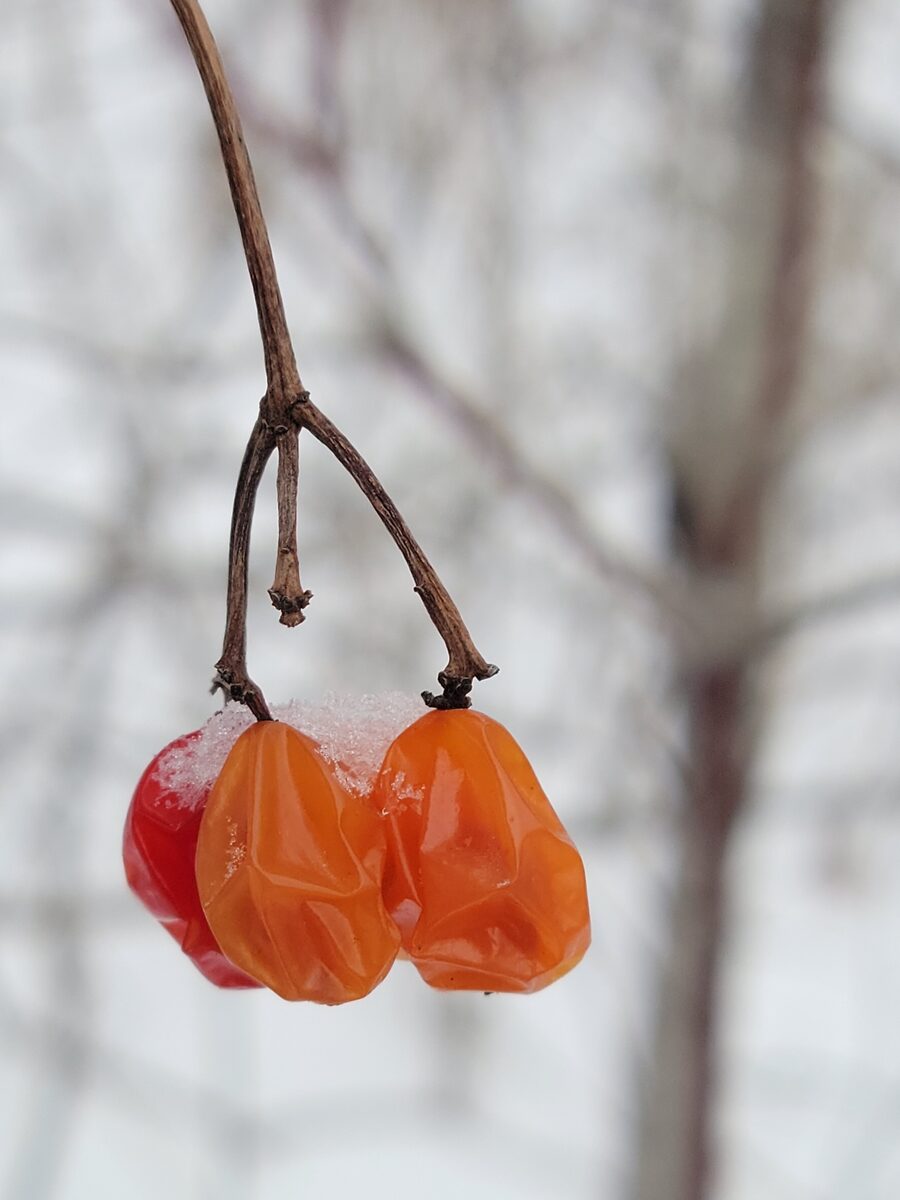
iNaturalist· cc-by-nc-sa
(c) Reiner Richter, some rights reserved (CC BY-NC-SA), uploaded by Reiner Richter
Summary
Source: WikipediaSambucus australasica, commonly known as yellow elderberry, native elderberry or native elder, is a species of flowering plant in the family Adoxaceae and is endemic to eastern Australia. It is a shrub or small tree with pinnate leaves that have coarse teeth on their edges, small white flowers with three petals, and yellow fruit. It is usually found in and on the edges of rainforest.
Description
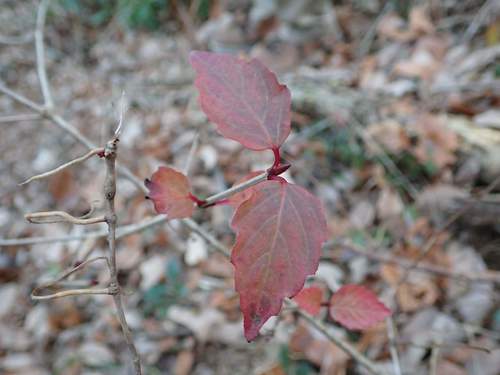
A shrub. It grows 4 m tall. The leaves are compound and alternate. They are 6-25 cm long. There are 3-5 leaflets. These are 2-12 cm long by 0.4-4.5 cm wide. The flowers are on branched stalks at the ends of branches or in the axils of leaves. The flowers have 3 petals which can be white or cream. They are 3 mm long. They have an unpleasant smell. The fruit is yellow or orange and 5-6 mm long. There are 3-5 seeds. These are cream or brown and about 4 mm long.
Edible Uses
The fruit can be eaten raw or cooked and has a sweetish, juicy, mild, and pleasant flavour, though some forms are bitter. The fruit is quite small but is borne in large clusters, making it easy to harvest. Some caution is advised regarding toxicity. The flowers can also be eaten raw or cooked.
Medicinal Uses
None known
Distribution
It grows in tropical and warm temperate areas. Melbourne Botanical Gardens.
Where It Grows
Australia*,
Propagation
Seed is best sown as soon as ripe in autumn in a cold frame, where it should germinate in early spring. Stored seed sown in spring will germinate more reliably after 2 months of warm followed by 2 months of cold stratification. Prick seedlings into individual pots when large enough; if growth is strong, plant out in early summer, otherwise hold in a sheltered nursery bed or pots and plant out the following spring. Half-ripe cuttings of 7–10cm with a heel can be taken in July or August in a frame. Hardwood cuttings of 15–20cm with a heel from the current season's growth can be taken in late autumn in a frame or sheltered outdoor bed.
Other Uses
The wood is pale, soft, and light.
Notes
There are about 25 Sambucus species. Also put in the family Sambucaceae.
Dangerous Lookalikes
This plant can be confused with the following toxic species. Always verify identification carefully before consuming any wild plant.
Pokeweed
Phytolacca americana
Jakec
Yellow elderberry
Sambucus australasica
(c) bennybotany85, some rights reserved (CC BY-NC), uploaded by bennybotany85
Pokeweed: Thick red/purple herbaceous stems (no bark), berries in a line (raceme), simple large leaves, large white taproot.
Yellow elderberry: Woody bark, berries in broad flat clusters (cymes), compound leaves with 5-7 leaflets.
Nutrition
| Part | Moisture | kJ | kcal | Protein | Vit A | Vit C | Iron | Zinc |
|---|---|---|---|---|---|---|---|---|
| Fruit | 81.7 | 380 | 91 | 2.3 | — | — | 6 | 0.3 |
Synonyms
References (10)
- Cherikoff V. & Isaacs, J., The Bush Food Handbook. How to gather, grow, process and cook Australian Wild Foods. Ti Tree Press, Australia p 196
- Cooper, W. and Cooper, W., 2004, Fruits of the Australian Tropical Rainforest. Nokomis Editions, Victoria, Australia. p 112
- Cribb, A.B. & J.W., 1976, Wild Food in Australia, Fontana. p 55
- Cronin, L., 1989, The Concise Australian Flora. Reed. p 172
- Edible and Useful Native Plants (off internet)
Show all 10 references Hide references
- Glowinski, L., 1999, The Complete Book of Fruit Growing in Australia. Lothian. p 176
- Lord, E.E., & Willis, J.H., 1999, Shrubs and Trees for Australian gardens. Lothian. p 20
- Low, T., 1991, Wild Food Plants of Australia. Australian Nature FieldGuide, Angus & Robertson. p 65
- Plants for a Future database, The Field, Penpol, Lostwithiel, Cornwall, PL22 0NG, UK. http://www.scs.leeds.ac.uk/pfaf/
- Williams, J.B., Harden, G.J., and McDonald, W.J.F., 1984, Trees and shrubs in rainforests of New South Wales and Southern Queensland. Univ. of New England, Armidale. p 29, 35