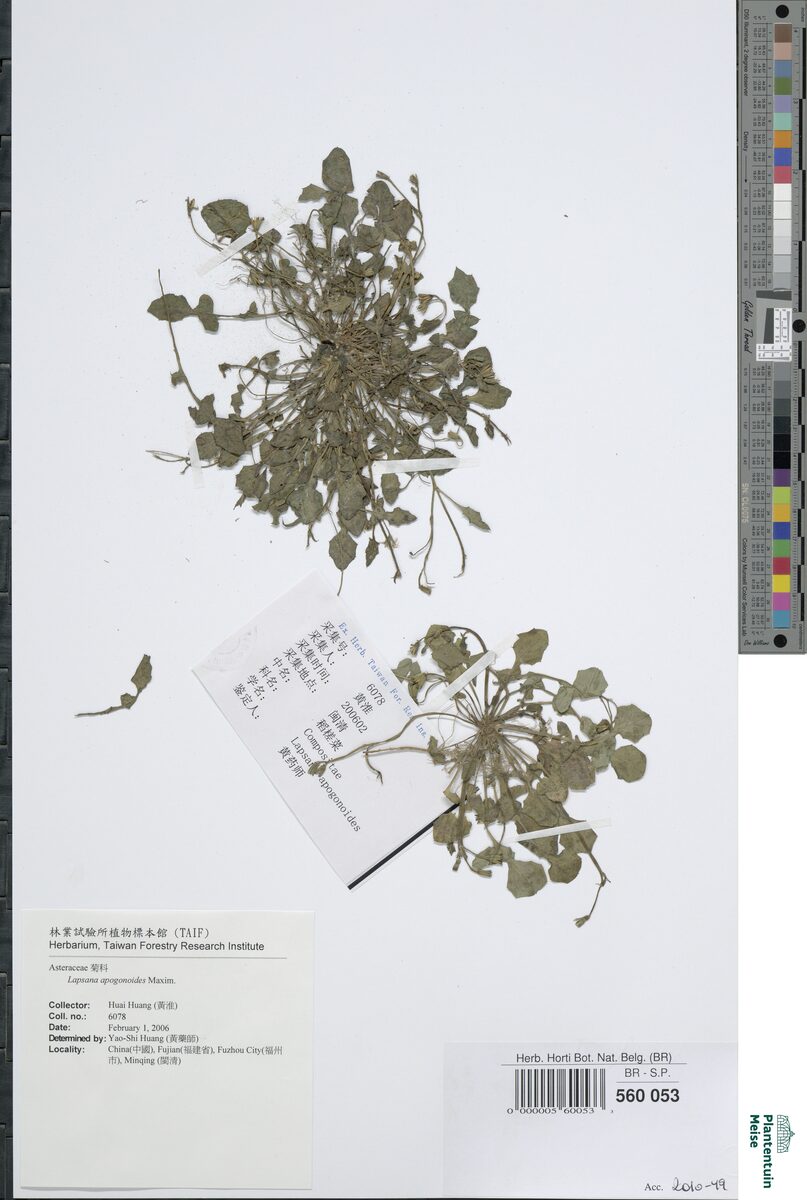
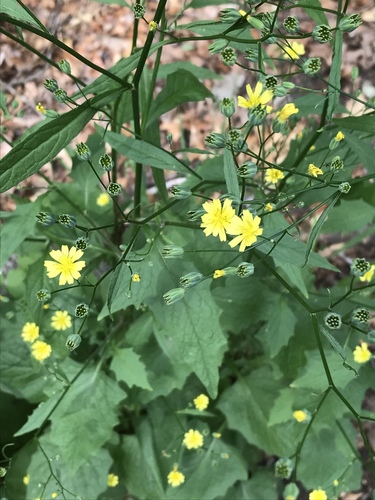
Gymnanthemum coloratum
(Willd.) H. Rob. & B. Kahn
Star-flowered tree vernonia
iNaturalist· cc-by
(c) Wynand Uys, some rights reserved (CC BY), uploaded by Wynand Uys
iNaturalist· cc-by
(c) Wynand Uys, some rights reserved (CC BY), uploaded by Wynand Uys
iNaturalist· cc-by
(c) Wynand Uys, some rights reserved (CC BY), uploaded by Wynand Uys
Description
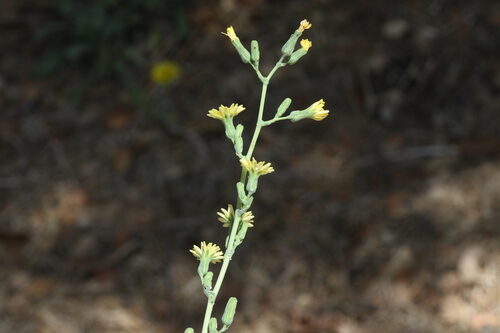
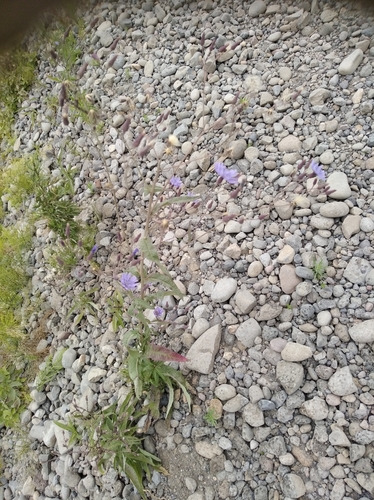
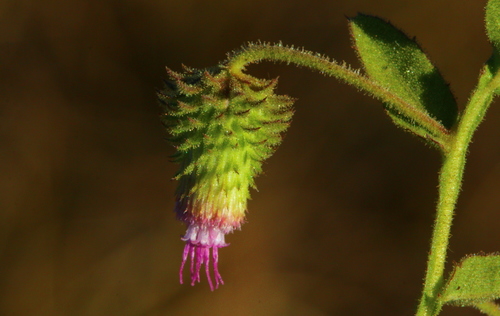
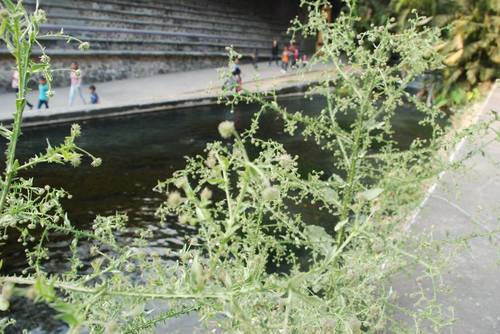
An erect shrub or small tree. It grows up to 5 m high. The bark is pale brown. It is rough when old. The small branches are green and dotted with lenticels. The leaves are oval and 13 cm long by 6.5 cm wide. They are dark green and harshly hairy above. They are paler green and have velvety hairs underneath. The edges can have fine teeth and it is wavy. The leaf stalk is 3 cm long. The flowers are in thistle like heads. Individual flowers are 10 mm long and shaped like an urn. They are mauve when young but fade to white. They are in dense heads 1.5 cm across. The heads join to form a branched panicle. The fruit are small nuts 2-3 mm long. They have slight ridges.
Edible Uses
The leaves are used to make a drink, with water changed several times during preparation to reduce bitterness.
Traditional Uses
The leaves are used to make a drink. The water is changed several times to reduce bitterness.
This uses section is brief — help expand it
Medicinal Uses
Traditionally used as a leaf beverage in Southern African cultures.
Distribution
A tropical plant. It occurs at low altitudes in open woodland in Southern Africa. They are sensitive to frost. It can grow in arid places. It grows along the edges of mangroves.
Where It Grows
Africa, Benin, Botswana, Burkina Faso, Cameroon, Central Africa, Congo, Côte d'Ivoire, East Africa, Eswatini, Gambia, Ghana, Guinea, Guinée, Guinea-Bissau, Ivory Coast, Liberia, Malawi, Mali, Mozambique, Nigeria, Senegal, Sierra Leone, South Africa, Southern Africa, Swaziland, Tanzania, Togo, Uganda, West Africa, Worldwide, Zambia, Zimbabwe,
Nutrition
| Part | Moisture | kJ | kcal | Protein | Vit A | Vit C | Iron | Zinc |
|---|---|---|---|---|---|---|---|---|
| Leaves | 75.9 | — | 388 | — | — | — | — | — |
Synonyms
Also Known As
Ari koko, Bantara-burure, Bantaraburure, Benitaha, Bitters tree, Dafuy, Lihlunguhlungu, Lowveld tree vernonia, Nabi, Nabicosso, Nebicosso, Pampae-gofe, Po-de-sabom, Sucudera, Tikoun teeti, Umpimpia
References (29)
- Abbiw, D.K., 1990, Useful Plants of Ghana. West African uses of wild and cultivated plants. Intermediate Technology Publications and the Royal Botanic Gardens, Kew. p 40 (As Vernonia colorata)
- Achigan-Dako, E, et al (Eds), 2009, Catalogue of Traditional Vegetables in Benin. International Foundation for Science. (As Vernonia colorata)
- Avouhou, H. T., et al, 2012, Ethnobotanical Factors Influencing the Use and Management of Wild Edible Plants in Agricultural Environments in Benin. Ethnobotany Research & Applications. Vol. 10:571-592 (As Vernonia colorata)
- Batawila, K., et al, 2007, Diversite et gestion des legumes de cueillete au Togo. African Journal of Food, Agriculture, Nutrition and Development 7( 3& 4): 64 (As Vernonia colorata)
- Bull. Soc. Bot. France 46:230. 1899 (As Vernonia colorata)
Show all 29 references Hide references
- Burkill, H. M., 1985, The useful plants of west tropical Africa, Vol. 1. Kew. (As Vernonia colorata)
- Codjia, J. T. C., et al, 2003, Diversity and local valorisation of vegetal edible products in Benin. Cahiers Agricultures 12:1-12 (As Vernonia colorata)
- Dalziel, J. M., 1937, The Useful plants of west tropical Africa. Crown Agents for the Colonies London. (As Vernonia colorata)
- Dansi, A., et al, 2008, Traditional leafy vegetables and their use in the Benin Republic. Genet Resour Crop Evol (2008) 55:1239–1256
- Ejoh, R. E., et al, 2007, Nutritional Components of Some Non-Conventional Leafy Vegetables Consumed in Cameroon. Pakistan Journal of Nutrition 6(6): 712-717 (As Vernonia colorata)
- Fowler, D. G., 2007, Zambian Plants: Their Vernacular Names and Uses. Kew. p 13 (As Vernonia colorata)
- Grivetti, L. E., 1980, Agricultural development: present and potential role of edible wild plants. Part 2: Sub-Saharan Africa, Report to the Department of State Agency for International Development. p 29 (As Vernonia colorata)
- Grubben, G. J. H. and Denton, O. A. (eds), 2004, Plant Resources of Tropical Africa 2. Vegetables. PROTA, Wageningen, Netherlands. p 544
- Jardin, C., 1970, List of Foods Used In Africa, FAO Nutrition Information Document Series No 2.p 109
- JSTOR Global Plants edible (As Vernonia colorata)
- Long, C., 2005, Swaziland's Flora - siSwati names and Uses http://www.sntc.org.sz/flora/
- Martin, F.W. & Ruberte, R.M., 1979, Edible Leaves of the Tropics. Antillian College Press, Mayaguez, Puerto Rico. p 186 (Also as Vernonia senegalensis)
- N'Danikou, S. et al, 2010, Eliciting Local Values of Wild Edible Plants in Southern Bénin to Identify Priority Species for Conservation. Economic Botany, 20(10), 2011, pp. 1–15. (As Vernonia colorata)
- Okigbo, B.N., Vegetables in Tropical Africa, in Opena, R.T. & Kyomo, M.L., 1990, Vegetable Research and development in SADCC countries. Asian Vegetable Research and development Centre. Taiwan. p 38 (As Vernonia colorata)
- Palgrave, K.C., 1996, Trees of Southern Africa. Struik Publishers. p 904 (As Vernonia colorata)
- Peters, C. R., O'Brien, E. M., and Drummond, R.B., 1992, Edible Wild plants of Sub-saharan Africa. Kew. p 93 (As Vernonia colorata)
- Royal Botanic Gardens, Kew (1999). Survey of Economic Plants for Arid and Semi-Arid Lands (SEPASAL) database. Published on the Internet; http://www.rbgkew.org.uk/ceb/sepasal/internet [Accessed 14th April 2011] (As Vernonia colorata)
- Salako, V. K. et al, 2013, Home gardens: an assessment of their biodiversity and potential contribution to conservation of threatened species and crop wild relatives in Benin. Genet Resour Crop Evol (As Vernonia colorata)
- Segnon, A. C. and Achigan-Dako, E. G., 2014, Comparative analysis of diversity and utilization of edible plants in arid and semi-arid areas in Benin. Journal of Ethnobiology and Ethnomedicine. 10:80 (As Vernonia colorata)
- Swaziland's Flora Database http://www.sntc.org.sz/flora (As Vernonia colorata)
- Terra, G.J.A., 1973, Tropical Vegetables. Communication 54e Royal Tropical Institute, Amsterdam, p 80 (As Vernonia colorata) (Also as Vernonia senegalensis)
- Ucheck Fomum, F., 2004. Vernonia amygdalina Delile. [Internet] Record from Protabase. Grubben, G.J.H. & Denton, O.A. (Editors). PROTA (Plant Resources of Tropical Africa), Wageningen, Netherlands. < http://database.prota.org/search.htm>. Accessed 23 October 2009 (As Vernonia colorata)
- World Checklist of Useful Plant Species 2020. Royal Botanic Gardens, Kew (As Vernonia colorata)
- Zon, A.P.M. van der, Grubben, G.J.H., 1976, Les legumes-feuilles spontanes et cultives du Sud-Dahomey, Communication 65, Royal Tropical Institute, Amsterdam, p 104 (As Vernonia colorata)