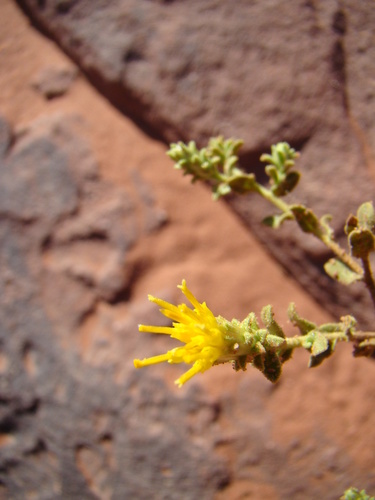
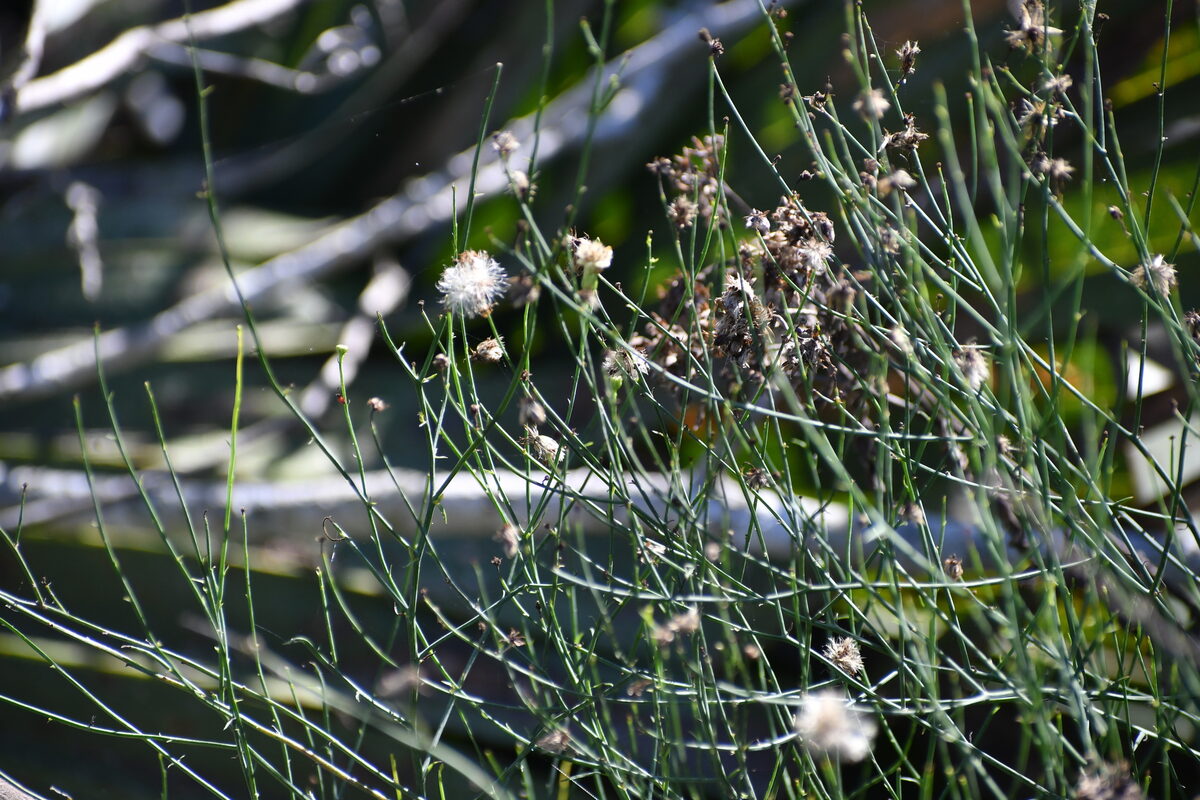
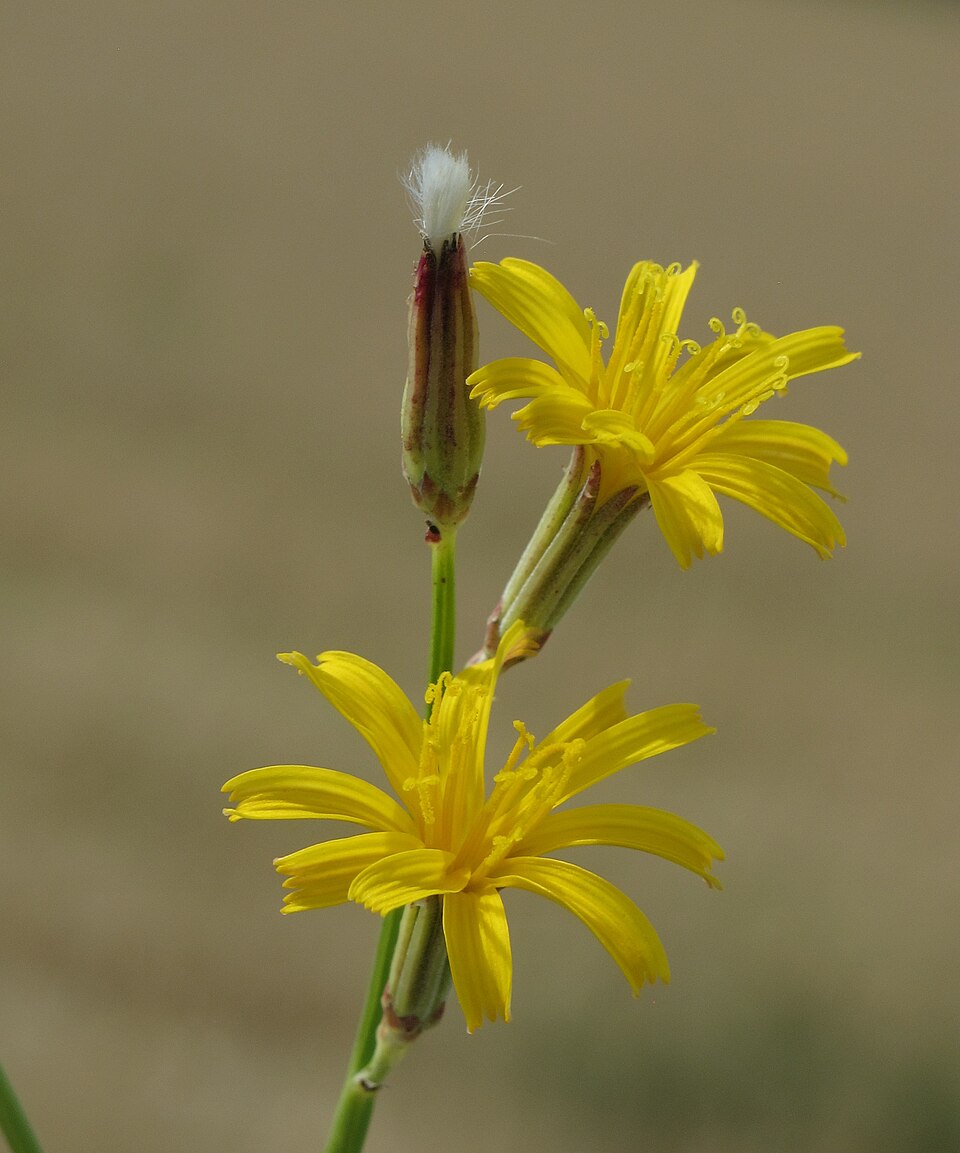
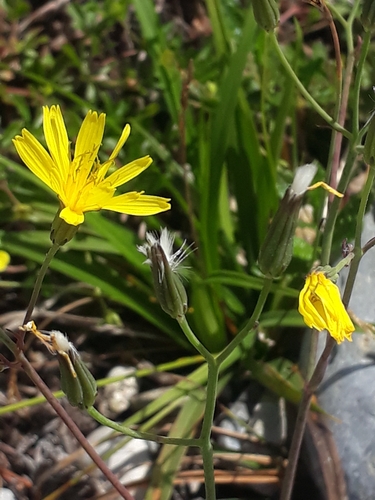
Coreopsis rosea
Nutt.
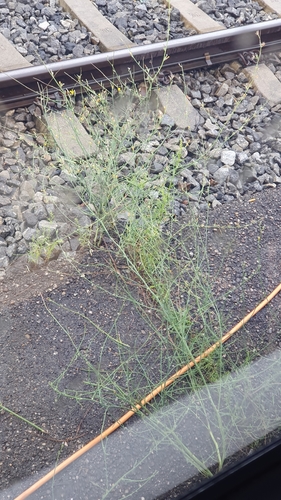
iNaturalist· cc-by-nc
(c) martfro, some rights reserved (CC BY-NC), uploaded by martfro
iNaturalist· cc-by-nc
(c) Yianni Laskaris, some rights reserved (CC BY-NC), uploaded by Yianni Laskaris
Summary
Source: WikipediaCoreopsis rosea, known as the pink tickseed, is a North American species of Coreopsis in the family Asteraceae. It has a discontinuous distribution in the eastern United States and Canada, found in Nova Scotia, Massachusetts, Rhode Island, New York, New Jersey, Pennsylvania, Delaware, Maryland, Georgia, and South Carolina. Coreopsis rosea grows in wet areas such as marsh edges. Unlike most Coreopsis species, the ray florets are pink or white (instead of yellow). The only other Coreopsis species with pink rays is C. nudata; C. rosea does not seem to be closely related to Coreopsis species which merely have red dots at the base of the rays. Disc florets of Coreopsis rosea are bright or pale yellow.
Description
A fast-growing perennial reaching 0.6 meters tall and wide, hardy to UK zone 4. Suitable for light sandy to medium loamy soils with mildly acid to neutral pH. Grows in semi-shade to full sun and tolerates dry, moist, or wet soil conditions.
Edible Uses
None known.
Medicinal Uses
None known.
Distribution
It is a temperate plant. It suits hardiness zones 4-8.
Where It Grows
USA,
Cultivation
An herbaceous perennial for temperate areas. USDA Hardiness Zones: 4 - 9. Soil pH: 6.6 - 7.8.Growth Rate: Moderate. Life Span: Long-Lived Perennial. Stand Persistence: Long. Form: Creeping. Texture: Fine. Sun: Full Sun, Partial Shade. Soil Type: Sandy, Loamy, Silty. Soil Moisture: Wet, Moderate. Root Type: Rhizome. Seasonal Interest: Summer-Fall. Spreads via rhizome and seeds, can be aggressive. Seeds resemble ticks, hence the name tickseed. Fruit is a cypsela. Flower Color: Pink, Yellow. Drought: Sensitive. Flood: Sensitive. Salt: Moderate. Bloom Time: Early Summer - Early Fall. Fruit Time: Summer - Fall.
Propagation
Sow seeds at 55–61°F in mid- or late winter, or divide plants in early spring. Basal cuttings can be rooted in spring.
Other Uses
Forms a medium to high density ground cover, spreading quickly via rhizomes and self-seeding to create a dense mat — sometimes aggressively so. Works well in borders, rock gardens, naturalized areas, native plant gardens, and cottage gardens, and is effective as an edger along borders, foundations, and paths. Attracts seed-eating birds and provides food for pollinators. Also suitable as a cut flower.
Synonyms
Also Known As
Pink coreopsis, Pink threadleaf coreopsis
References (1)
- Jackes, D. A., Edible Forest Gardens