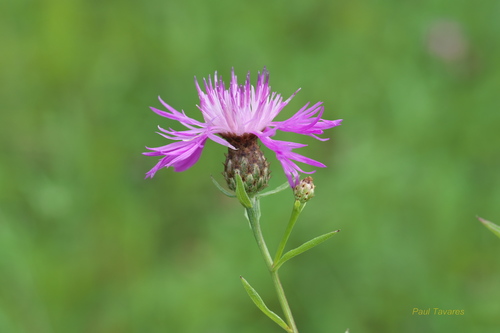
Coreopsis tinctoria atkinsoniana - (Douglas. ex Lindl.)Parker.
(Douglas. ex Lindl.)Parker.
Coreopsis
gbif· cc-by
Deaver Herbarium
gbif· cc-by
The New York Botanical Garden
gbif· cc-by
Deaver Herbarium
Description
Coreopsis tinctoria atkinsoniana is a ANNUAL growing to 0.6 m (2ft). The species is hermaphrodite (has both male and female organs) and is pollinated by Bees. It is noted for attracting wildlife. Suitable for: light (sandy) and medium (loamy) soils and prefers well-drained soil. Suitable pH: mildly acid, neutral and basic (mildly alkaline) soils. It cannot grow in the shade. It prefers dry or moist soil and can tolerate drought.
Edible Uses
A beverage is made from the dried plant. It was used instead of coffee.
Medicinal Uses
Astringent EmeticA tea made from the roots is emetic and is also used in the treatment of diarrhoea. An infusion of the whole plant without the root has been used by women desiring a female baby.
Distribution
South-western N. America.
Where It Grows
Coming Soon
Cultivation
Succeeds in ordinary garden soil. Prefers a fertile well-drained moisture retentive medium soil. Grows well in sandy soils. Requires a sunny position. Established plants are drought resistant. A good bee plant.
Propagation
Seed - sow March in a cold frame. When they are large enough to handle, prick the seedlings out into individual pots and plant them out in the summer. If you have sufficient seed then it can also be sown in situ outdoors.
Other Uses
DyeA yellow (red with an acid mordant) dye is obtained from the flowers. It is not very good on plant fibres. The flowers can be dried for later use.