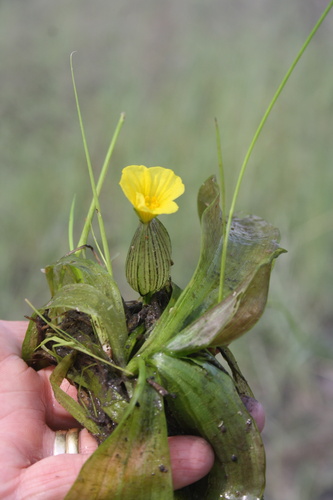
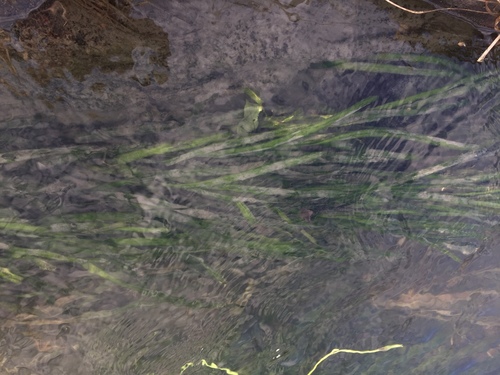
Vallisneria americana
Michaux
Water celery, River ribbons
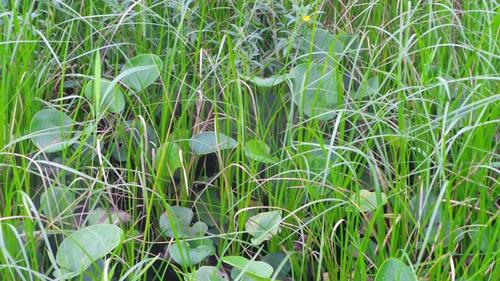
iNaturalist· cc-by-nc
(c) Sean Patton, some rights reserved (CC BY-NC), uploaded by Sean Patton
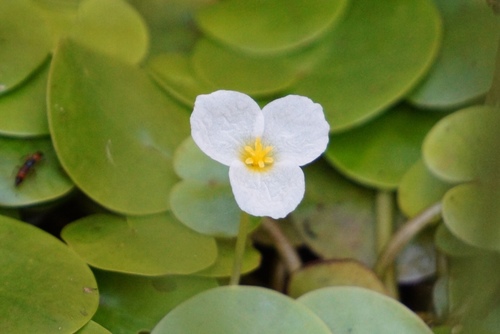
iNaturalist· cc-by-nc
(c) Sean Patton, some rights reserved (CC BY-NC)
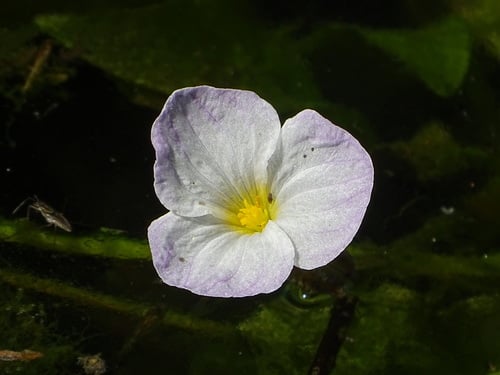
iNaturalist· cc-by
(c) Drepanostoma, some rights reserved (CC BY), uploaded by Drepanostoma
Summary
Source: WikipediaVallisneria americana, commonly called wild celery, water-celery, tape grass, or eelgrass, is a plant in the family Hydrocharitaceae, the "tape-grasses". It is native to the Americas, especially eastern North America. V. americana is a fresh water species that can tolerate salt, living in salinities varying from fresh water (0 parts per thousand) to 18 parts per thousand, although the limit to the salt tolerance is unclear and is generally dependent on the duration and intensity of the plants' exposure to the saline water. V. americana grows under water and is consumed by various animals, including the canvasback.
Description
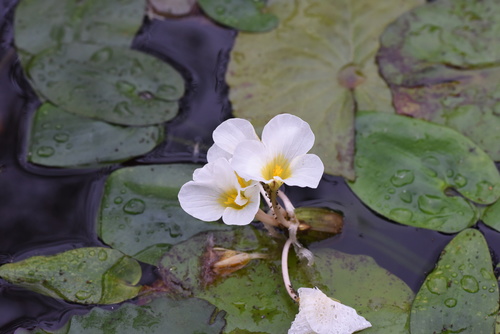
A plant that keeps growing from year to year. It is a ribbon like plant which grows in water. It grows 2 m above the water surface and spreads 1 m wide. The stem is slender. The leaves are large and twisted in spirals. They are green and grass-like. They can be 90 cm long by 2 cm wide. The flowers are greenish-white. They are very small and appear in summer. They float on the water. Male and female flowers are separate. After fertilisation fruit develop underwater. The fruit are small, curved seed capsules.
Edible Uses
Young leaves are eaten cooked.
Traditional Uses
The young leaves are cooked and eaten.
This uses section is brief — help expand it
Medicinal Uses
None known.
Distribution
It is a temperate to tropical plant. It does best in still water in a protected, sunny position. The water can be 1 m deep. It is sensitive to frost and drought.
Where It Grows
Australia, Canada, Central America, China, Cuba, Dominican Republic, Europe*, Guatemala, Haiti, Hawaii, Honduras, India, Iraq, Japan, Korea, Mexico, Middle East, North America*, Pacific, Papua New Guinea, PNG, Philippines, SE Asia, South America, Tasmania, USA, Venezuela, West Indies,
Cultivation
A water plant for a large aquarium or for deep water outdoors, it prefers slightly acid conditions in a sunny position. This species is not very hardy in Britain, though it should succeed outdoors in the mildest areas of the country. A valuable water oxygenator. The leaves can be up to 1 metre long. Dioecious, male and female plants must be grown if seed is required. Male flowers are produced below the surface of the water and females are produced on the surface. Fertilization takes place when male flowers break off the plant, float to the surface and fall into a slight depression formed by the female flowers on the surface of the water.
Propagation
No specific information is available for this species, but sowing seed in a warm greenhouse as soon as it is ripe is suggested. Lay seed on the surface of a pot of soil and immerse it in water. Once seedlings are large enough to handle, prick them out into individual pots and grow on in water in the greenhouse through their first winter. Plant out into permanent positions in late spring or early summer, after the last expected frosts. The plant can also be propagated by division of rooted runners during the growing season.
Other Uses
None known.
Notes
There are 2 Vallisneria species. They grow in the tropics. There is 1 species in tropical America.
Synonyms
Also Known As
American Balayba, Eel-grass, Giant Val, Sabutan Buwaya
References (9)
- Fl. bor.-amer. 2:220. 1803
- Hibbert, M., 2002, The Aussie Plant Finder 2002, Florilegium. p 305
- Paczkowska, G. & Chapman, A.R., 2000, The Western Australian Flora. A Descriptive Catalogue. Western Australian Herbarium. p 69
- Plants for a Future database, The Field, Penpol, Lostwithiel, Cornwall, PL22 0NG, UK. http://www.scs.leeds.ac.uk/pfaf/
- Reis, S. V. and Lipp, F. L., 1982, New Plant Sources for Drugs and Foods from the New York Botanical Garden herbarium. Harvard. p 9
Show all 9 references Hide references
- Romanowski, N., 2007, Edible Water Gardens. Hyland House. p 116
- Slocum, P.D. & Robinson, P., 1999, Water Gardening. Water Lilies and Lotuses. Timber Press. p 87
- Staples, G.W. and Herbst, D.R., 2005, A tropical Garden Flora. Bishop Museum Press, Honolulu, Hawaii. p 667
- Tasmanian Herbarium Vascular Plants list p 65 (As Vallisneria americana instead of Vallisneria australis)