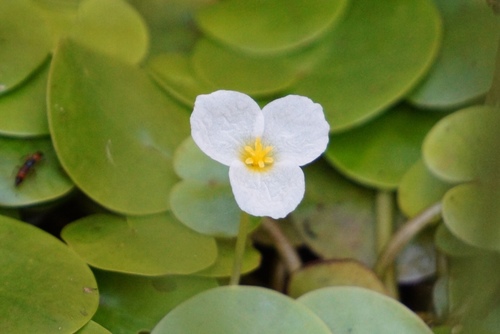
Vallisneria natans
(Lour.) Hara
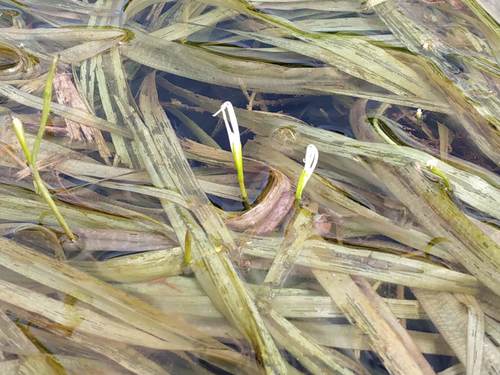
iNaturalist· cc-by-nc
(c) Andrey Efremov, some rights reserved (CC BY-NC), uploaded by Andrey Efremov
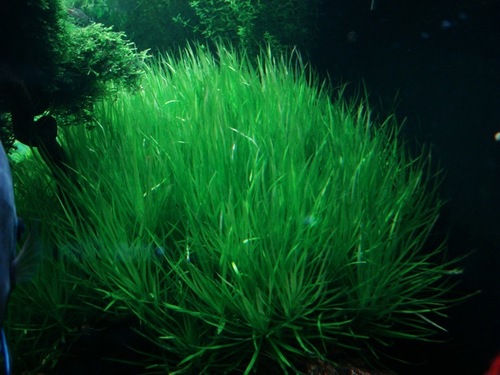
iNaturalist· cc-by-nc
(c) hakkahamushi, some rights reserved (CC BY-NC)
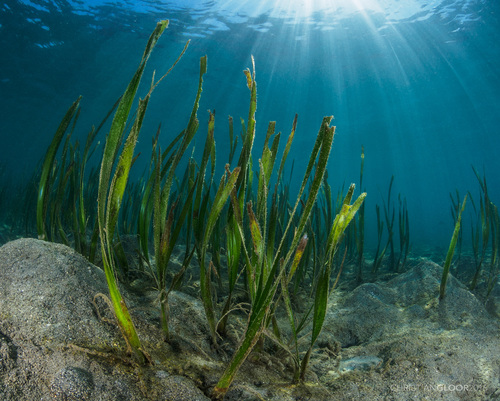
iNaturalist· cc-by-nc
(c) hakkahamushi, some rights reserved (CC BY-NC)
Description
A plant which grows under water but attached to the bottom. Plants are separately male and female. They form stolons or runners which develop tufts of leaves along them. They also develop roots along this creeping stem. The leaves are narrow and like ribbons. They can be 1 m long and 1-2 cm wide. They form sheaths at the base. Sometimes there are fine brown lines along the leaves. The male flowers are very small and have a flower stalk up to 7 cm long. The female flowers are 1.5-2.5 cm across and on flower stalks 1 m long. This allows the flower to reach the water surface but once pollinated the fruit develops below water. Male flowers detach and float to the water surface allowing pollen to be released. The female flower has 3 sepals and 3 petals. The ovary is 17-25 mm long and split into 2 broad lobes. The fruit is greenish-yellow with black or brown stripes. The fruit can be 6-20 cm long.
Edible Uses
The young leaves are cooked and eaten as a vegetable, and are also used medicinally as an appetizer.
Traditional Uses
The young leaves are used as a vegetable.
This uses section is brief — help expand it
Medicinal Uses
The cooked leaves are used as an appetizer and medicinal preparation.
Distribution
It is a tropical plant. It occurs at low altitudes in Papua New Guinea. It grows in dense stands in shallow water (0.5-2.5 m) in lakes and slow flowing streams. It grows in wetlands.
Where It Grows
Asia, Australia, China, Himalayas, India, Japan, Korea, Malaysia, Nepal, Pacific, Papua New Guinea, PNG, Russia, SE Asia, Taiwan, Vietnam,
Notes
The leaves are cooked and used as a medicine as an appetizer.
Synonyms
Also Known As
Panchaduba
References (3)
- Leach, G.J., & Osborne, P.L., 1985, Freshwater Plants of Papua New Guinea. UPNG Press, p 158
- Mishra, N., et al, 2016, Indigenous knowledge in utilization of wetland plants in Bhadrak district, Odisha, India. Indian Journal of Natural Products and Resources. Vol. 7(1) pp. 82-89
- World Checklist of Useful Plant Species 2020. Royal Botanic Gardens, Kew