Artocarpus lowii
King
Miku
gbif· cc0
President and Fellows of Harvard College
iNaturalist· cc-by-nc
(c) wendyhitchcock, some rights reserved (CC BY-NC)
iNaturalist· cc-by-nc
(c) Peter Small, some rights reserved (CC BY-NC), uploaded by Peter Small
Description
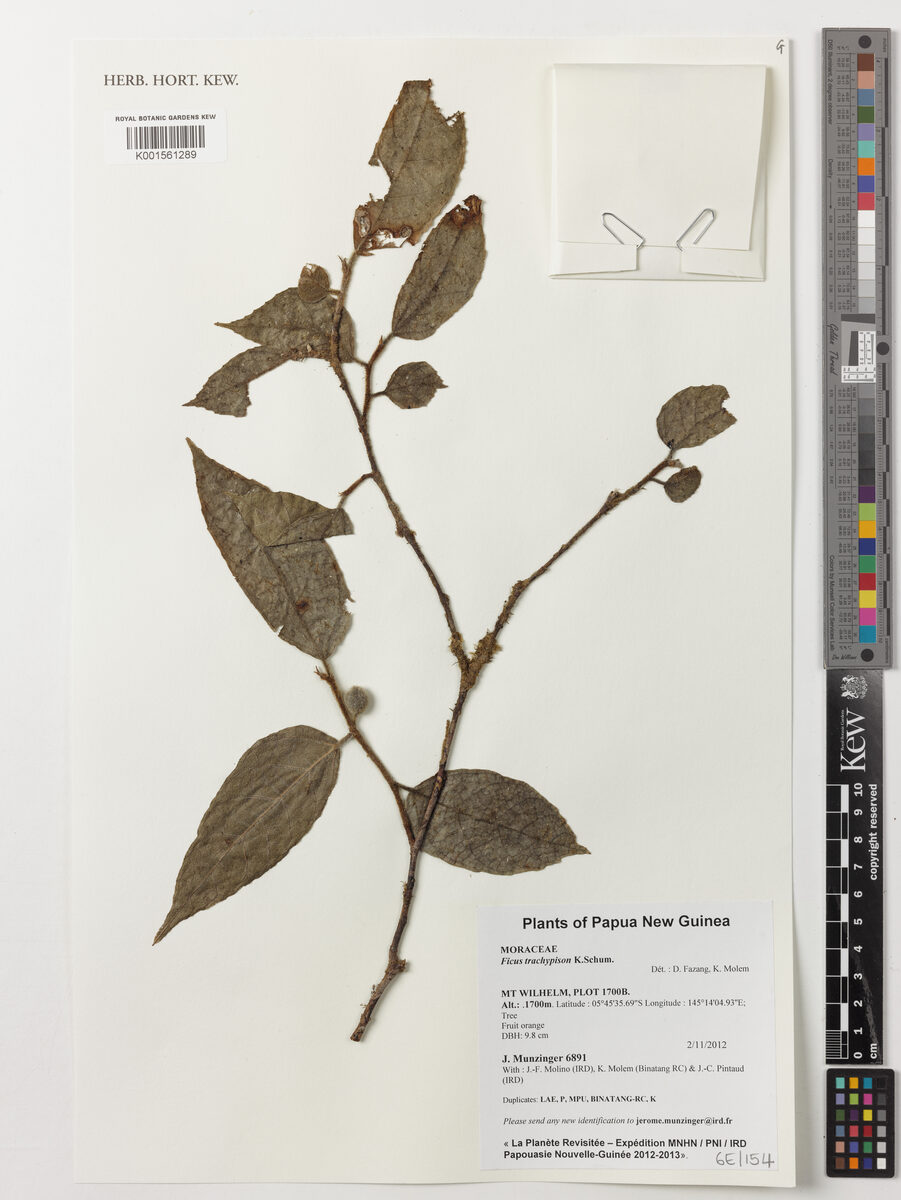
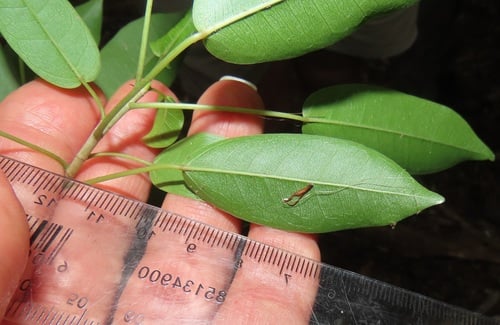
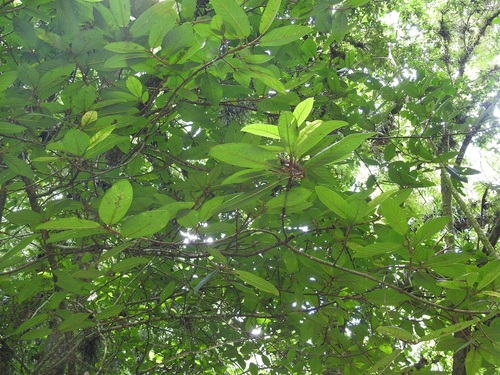
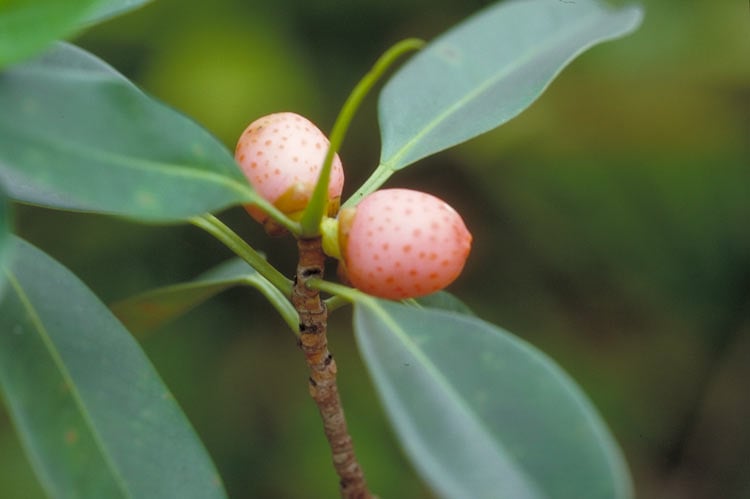
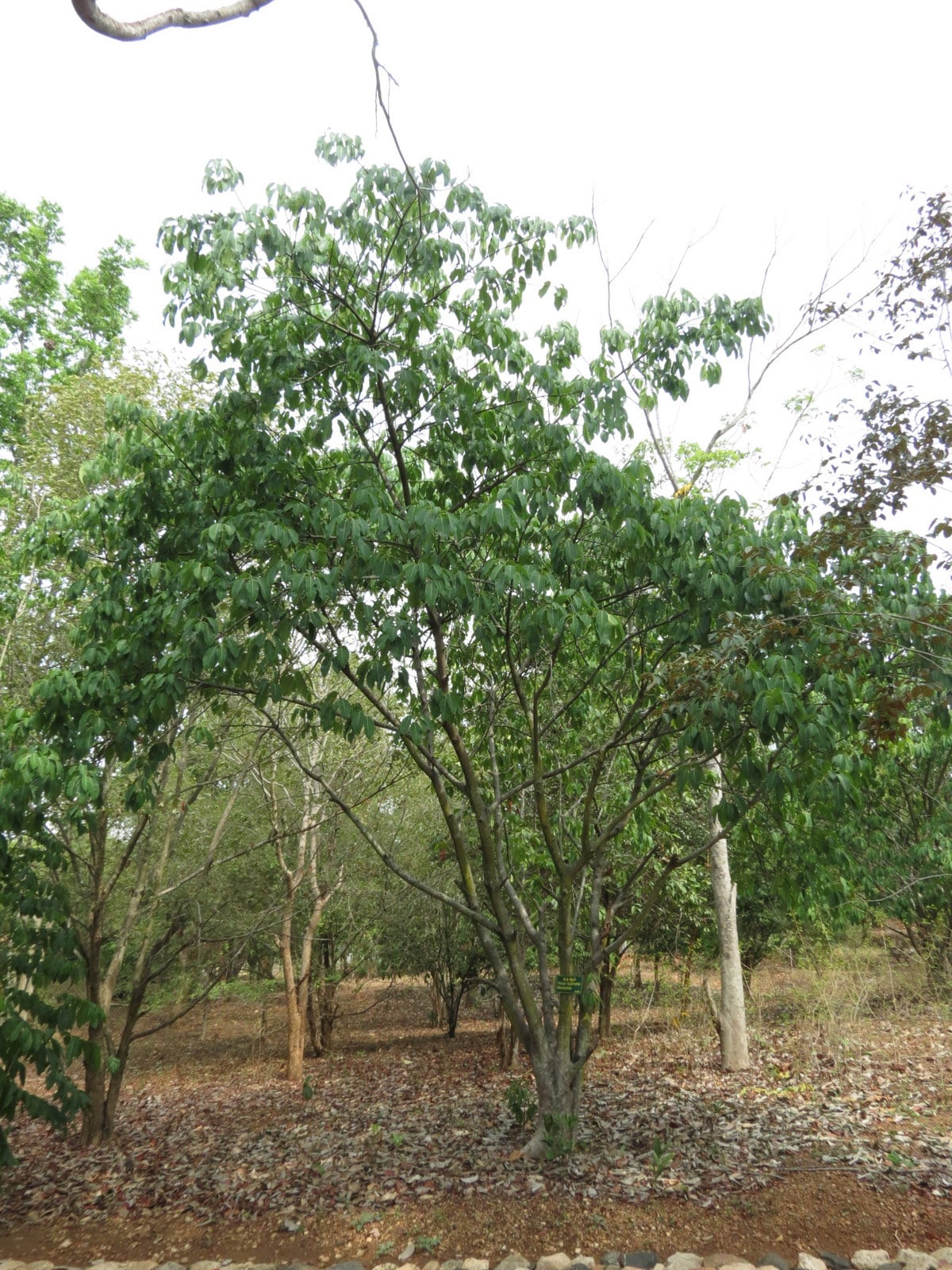
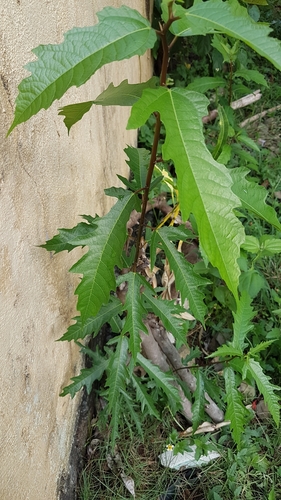
An evergreen tree. It grows 25 m tall. The leaves are arranged in spirals. They are narrowly oval with a pointed tip. The lower surface is smooth with white hairs on the midribs. The male flowering groups are solitary in the axils of leaves. The stalks are 3.5-5.5 cm long. The fruit are oval.
Edible Uses
Several species in the genus bear edible fruit and are commonly cultivated: Breadfruit (Artocarpus altilis), Cempedak (Artocarpus integer), Jackfruit (Artocarpus heterophyllus), Kwai Muk (Artocarpus parvus), Lakoocha (Artocarpus lakoocha), Pudau (Artocarpus kemando), Anjily (a.k.a. Jungle Jack) (Artocarpus hirsutus), Chaplaish (Artocarpus chama), and Marang (Artocarpus odoratissimus). Breadfruit and jackfruit are cultivated widely in the tropical Southeast Asia. Other species are cultivated locally for their timber, fruit or edible seeds. Anjily, A. hirsutus, is grown for fruit and timber in the Western Ghats.
Medicinal Uses
The greasy latex that exudes from the trunk is used for making ointments.
Distribution
A tropical plant. It grows in evergreen forests at low altitudes.
Where It Grows
Asia, Indonesia, Malaysia, SE Asia, Singapore,
Cultivation
Plants can be grown from seed.
Other Uses
An oily latex exudes from the bole. We have no specific information on the wood of this species, apart from the fact that it is classified as a keledang in one report, whilst others say that it is a source of terap. The following is the general description of keledang wood:- The heartwood is orange yellow brown, darkening to golden brown; it is clearly demarcated from the sapwood. The grain is straight or interlocked; the texture coarse. The wood is moderately hard, moderately durable to fungi and is durable to dry wood borers. The blunting effect is fairly high; difficulties during sawing are due to hard deposits in the pores, interlocked grain and tension wood; nailing is poor and gluing is correct. It is used for interior items such as furniture, flooring, stairs, panelling, veneer, boxes and crates, joinery, matches, light carpentry; externally, it is used for vehicle or container flooring. It is used to make high class coffins in Malaysia. The following is the general description of terap wood:- The heartwood is yellow to pale brown; it is usually not differentiated from the sapwood. The texture is moderately coarse to coarse and even; the grain is interlocked. The wood is non-durable under tropical conditions. It seasons fairly slowly, with high shrinkage and slight bowing, cupping and checking. It is generally easy to work; saws well; planes easily but leaves a rough finish on radial surfaces; bores and turns easily, but leaves a rough finish;nailing property is good; can be peeled satisfactorily and is suitable for plywood production. Locally, the wood is used for light construction, for making boxes, crates, wooden pallets and veneer. The wood is sometimes nicely figured and therefore is suitable for decorative purposes like furniture, joinery and panelling.
Notes
There are about 50 Artocarpus species. They are in the tropics and subtropics of Asia and the Pacific.
Synonyms
Also Known As
Pohon nangka mini
References (4)
- Burkill, I.H., 1966, A Dictionary of the Economic Products of the Malay Peninsula. Ministry of Agriculture and Cooperatives, Kuala Lumpur, Malaysia. Vol 1 (A-H) p 259
- Mohd, N. G. et al, 2014, A Preliminary Flora Survey in Gunung Kajang, Pulau Tioman, Pahang Darul Makmur, Malaysia. Malays. Appl. Biol. 43(2): 17-23
- Saw, L.G., LaFrankie, J. V. Kochummen, K. M., Yap S. K., 1991, Fruit Trees in a Malaysian Rain Forest. Economic Botany, Vol. 45, No. 1, pp. 120-136
- Sukarya, D. G., (Ed.) 2013, 3,500 Plant Species of the Botanic Gardens of Indonesia. LIPI p 138