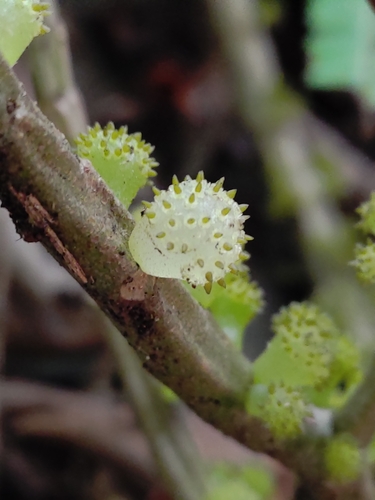
Urtica incisa
Poiret
Stinging nettle, Scrub nettle, Ongaonga
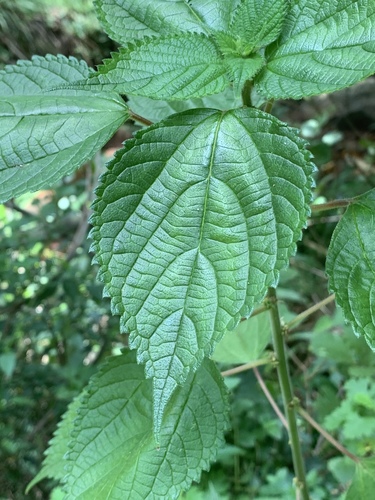
iNaturalist· cc-by-nc
(c) Toby Eccles, some rights reserved (CC BY-NC), uploaded by Toby Eccles
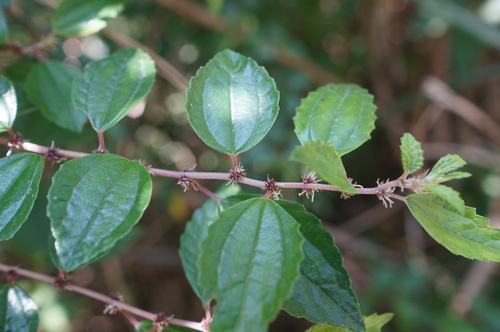
iNaturalist· cc-by-nc
(c) kolinda, some rights reserved (CC BY-NC), uploaded by kolinda
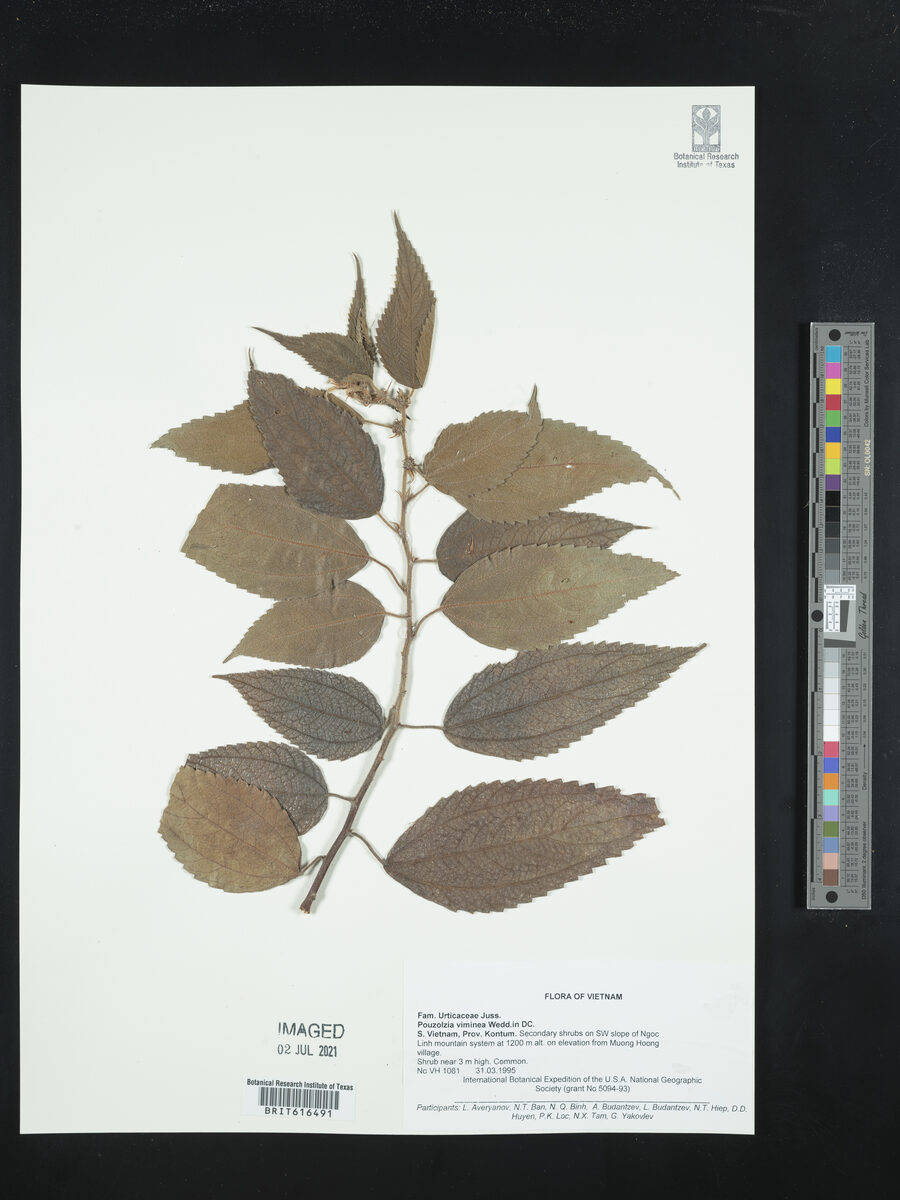
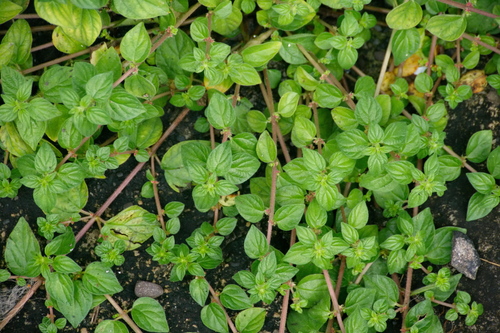
iNaturalist· cc-by
(c) Martin Hannan-Jones, some rights reserved (CC BY), uploaded by Martin Hannan-Jones
Summary
Source: WikipediaUrtica incisa, commonly called scrub nettle, stinging nettle, and tall nettle, is an upright perennial herb native to streams and rainforest of eastern and southern Australia, from the north–east southwards through the east, of Queensland and New South Wales, then across the south, through Victoria, Tasmania, south-eastern South Australia and parts of southern Western Australia. The species is also widespread in the North and South Island of New Zealand.
Description
A herb which keeps growing from year to year. It has slender stems which are often woody. They lie along the ground near the base then extend upwards. They grow 1 m high. The leaves are narrow and thin. There are teeth along the edge. The leaves are 5-15 cm long and armed with stinging hairs. The flowers are small. They are clustered on short stalks from the leaf bases. Male and female flowers are on separate plants. The seeds are light purple in colour.
Edible Uses
Young leaves are a tasty vegetable, best cooked as a nutritious spinach substitute or added to soups and stews. The plant is high in vitamins and minerals. Harvest only young leaves and wear stout gloves to avoid being stung. Fresh leaves carry stinging hairs, but thorough drying or cooking destroys them completely. Nettle beer can be brewed from the young shoots.
Traditional Uses
Caution. The leaves have hairs that cause stinging. This disappears on cooking. The leaves can be boiled and eaten or used in tea.
This uses section is brief — help expand it
Medicinal Uses
None known.
Known Hazards
According to the Queensland Poisons Information Centre, scrub nettle is a skin and eye irritant; touching the stinging hairs with one's skin can result in "reddening and itching, swelling and an intense burning sensation" that may last for up to 36 hours.
Distribution
It is a temperate plant. It grows mainly on limy soils in shady places. It does best in a moist situations and often grows along creek banks and moist gullies. Tasmania Herbarium.
Where It Grows
Australia*, New Zealand*, Tasmania*,
Cultivation
We have very little information on this species and do not know if it will be hardy in Britain, though judging by its native range it should succeed outdoors at least in the milder parts of the country. The following notes are based on the general needs of the genus. Prefers a nitrogen-rich soil. The best fibre is produced when plants are grown on deep fertile soils. Dioecious. Male and female plants must be grown if seed is required.
Propagation
Sow seed in spring in a cold frame, barely covering it. Prick seedlings into individual pots when large enough to handle and plant out in summer. Division can be done at almost any time in the growing season — plant divisions straight into their permanent positions.
Other Uses
A strong flax-like fibre from the stems is used for string, cloth and good quality paper. It is harvested as the plant begins to die down in early autumn and retted before the fibres are extracted. The following uses are listed for U. dioica but are considered almost certainly applicable here too. Residual plant matter after fibre extraction provides biomass for manufacturing sugar, starch, protein and ethyl alcohol. Seed oil is used as an illuminant. The plant is an essential ingredient of 'QR' herbal compost activator, a dried powdered herbal blend added to compost heaps to speed bacterial activity. Leaves are a valuable compost addition and can be soaked for 7–21 days in water to make a nutritious liquid plant feed that also acts as an insect repellent and foliar feed. The growing plant raises the essential oil content of neighbouring plants, improving their resistance to insect pests. Flies are repelled by the plant, and freshly cut stems have been placed in food cupboards for this purpose. Plant juice or a decoction boiled in strong salt solution curdles milk as a rennet substitute; rubbed into leaky wooden tub seams it coagulates and seals them. Infused leaves make a hair wash used as a tonic and antidandruff treatment. A permanent green dye comes from a decoction of leaves and stems; a yellow dye from the root boiled with alum.
References (21)
- Caton, J.M. & Hardwick, R. J., 2016, Field Guide to Useful Native Plants from Temperate Australia. Harbour Publishing House. p 224
- Cherikoff V. & Isaacs, J., The Bush Food Handbook. How to gather, grow, process and cook Australian Wild Foods. Ti Tree Press, Australia p 197
- Clarke, P. A., 2013, The Aboriginal Ethnobotany of the Adelaide Region, South Australia. Transactions of the Royal Society of South Australia. (2013), 137(1): 97-126
- Cribb, A.B. & J.W., 1976, Wild Food in Australia, Fontana. p 133
- Crowe, A., 1997, A Field Guide to the Native Edible Plants of New Zealand. Penguin. p 79
Show all 21 references Hide references
- Curtis, W.M., 1993, The Student's Flora of Tasmania. Part 3 St David's Park Publishing, Tasmania, p 639
- Flora of Australia, Volume 3, Hamamelidales to Casuarinales, Australian Government Publishing Service, Canberra (1989) p 70, 71
- Hardwick, R.J., 2000, Nature's Larder. A Field Guide to the Native Food Plants of the NSW South Coast. Homosapien Books. p 106
- Harris, S., Buchanan, A., Connolly, A., 2001, One Hundred Islands: The Flora of the Outer Furneaux. Tas Govt. p 243
- Hunter, J. T. & Sheringham, P., 2006, Vegetation and Floristics of Melville Range Nature Reserve. A Report to the New South Wales Parks and Wildlife Service. p 182
- Lamp, C & Collet F., 1989, Field Guide to Weeds in Australia. Inkata Press. p 317
- Lazarides, M. & Hince, B., 1993, Handbook of Economic Plants of Australia, CSIRO. p 243
- Low, T., 1991, Wild Herbs of Australia and New Zealand. Angus & Robertson. p 93
- Low, T., 1991, Wild Food Plants of Australia. Australian Nature FieldGuide, Angus & Robertson. p 98
- Low, T., 1992, Bush Tucker. Australia’s Wild Food Harvest. Angus & Robertson. p 150
- Morley, B.D., & Toelken, H.R., (Eds), 1983, Flowering Plants in Australia. Rigby. p 64
- Paczkowska, G . & Chapman, A.R., 2000, The Western Australian Flora. A Descriptive Calatogue. Western Australian Herbarium. p 565
- Plants for a Future database, The Field, Penpol, Lostwithiel, Cornwall, PL22 0NG, UK. http://www.scs.leeds.ac.uk/pfaf/
- Tasmanian Herbarium Vascular Plants list p 58
- Whiting, J. et al, 2004, Tasmania's Natural Flora. Tasmania's Natural Flora Editorial Committee PO Box 194, Ulverstone, Tasmania, Australia 7315 p 339
- Woolmore, E et al, 2002, King Island Flora: A Field Guide. p 78