Pouzolzia viminea
Wedd. in DC.
gbif· cc0
Botanical Research Institute of Texas
gbif· cc0
Conveyor Belt
Description
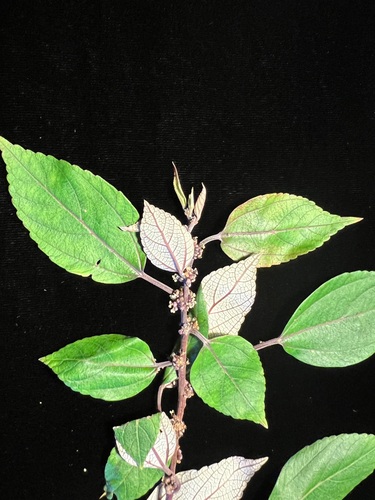
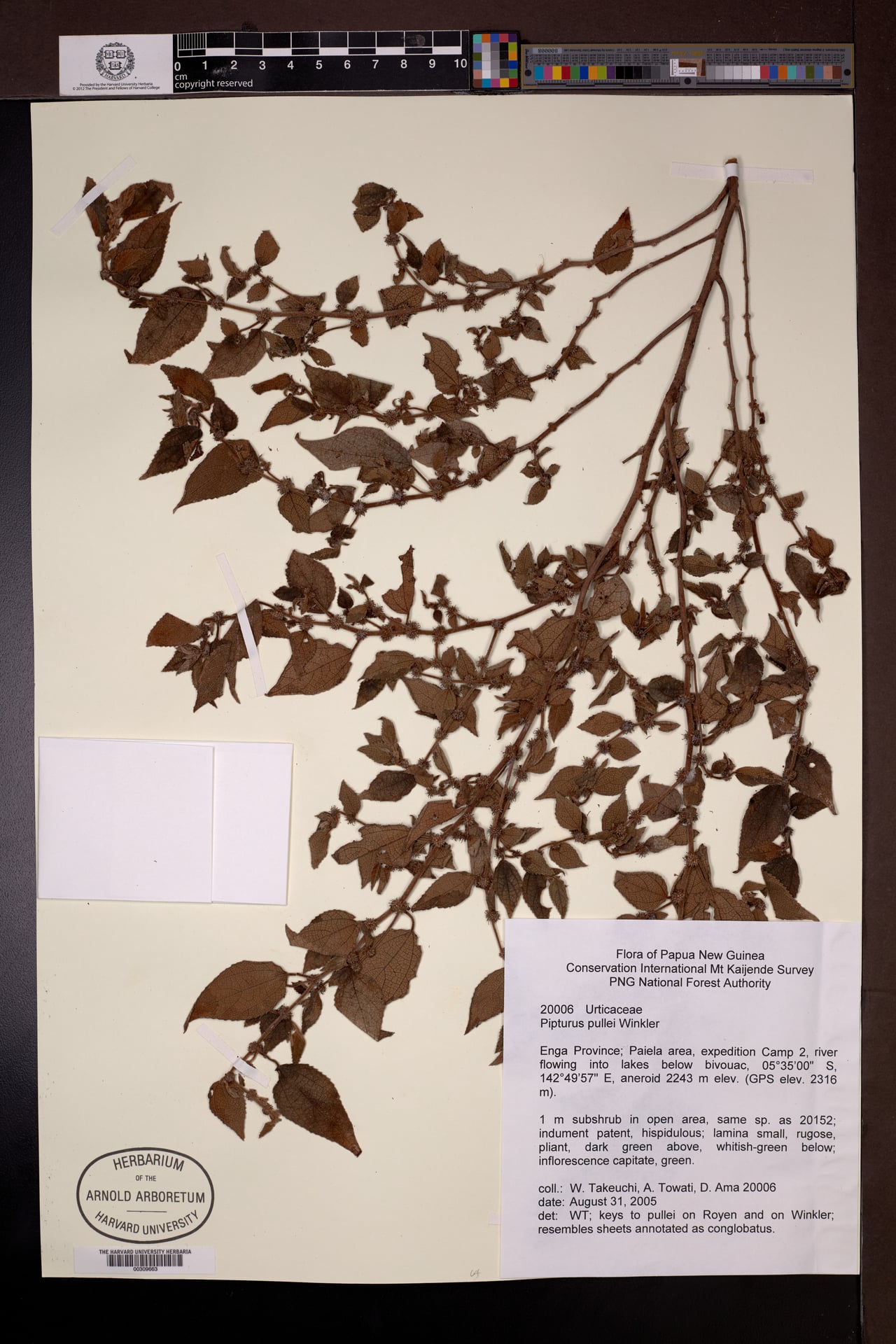
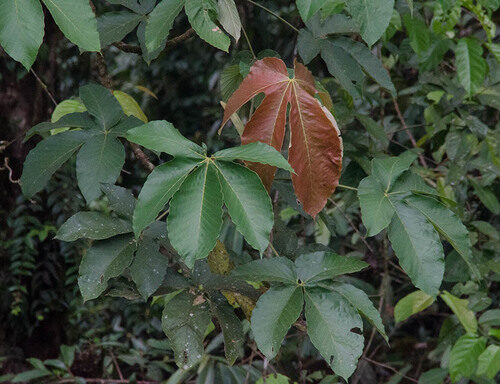
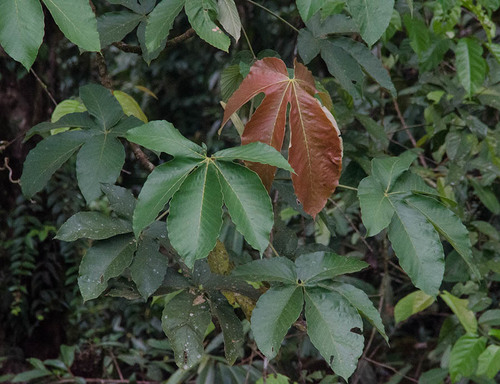
An upright shrub. The branches are slender. They can be softly hairy. The leaves are small and alternate. They are narrowly oval and taper to the tip. There can be teeth along the edge. They are dark green. The fruit is dry.
Edible Uses
The bark is dried and powdered then eaten. The young leaves are cooked and eaten as a vegetable.
Traditional Uses
The bark is dried and powdered then eaten. The young leaves are cooked and eaten as a vegetable.
This uses section is brief — help expand it
Distribution
A tropical plant. In India it is in Garhwal Himalayas.
Where It Grows
Asia, Himalayas, India, Indonesia, Malaysia, Myanmar, Northeastern India, SE Asia, Sikkim,
Synonyms
Also Known As
Chhota kuai, Chiple, Chochok bubu, Dlundum, Dlundung, Jurang rambat, Keperit, Khojo, Kulu, Kyingbi, Lipe, Mesaki jola phang, Misagi-jollaphang, Mosilo, Ut kra
References (9)
- Ambasta, S.P. (Ed.), 2000, The Useful Plants of India. CSIR India. p 488
- Arora, R. K., 2014, Diversity in Underutilized Plant Species - An Asia-Pacific Perspective. Bioversity International. p 45
- Burkill, I.H., 1966, A Dictionary of the Economic Products of the Malay Peninsula. Ministry of Agriculture and Cooperatives, Kuala Lumpur, Malaysia. Vol 2 (I-Z) p 1836
- Dutta, U., 2012, Wild Vegetables collected by the local communities from the Churang reserve of BTD, Assam. International Journal of Science and Advanced Technology. Vol. 2(4) p 123
- GUPTA,
Show all 9 references Hide references
- Hedrick, U.P., 1919, (Ed.), Sturtevant's edible plants of the world. p 515
- Lim, T. K., 2015, Edible Medicinal and Non Medicinal Plants. Volume 9, Modified Stems, Roots, Bulbs. Springer p 68
- Patiri, B. & Borah, A., 2007, Wild Edible Plants of Assam. Geethaki Publishers. p 131
- Singh, H.B., Arora R.K.,1978, Wild edible Plants of India. Indian Council of Agricultural Research, New Delhi. p 34