Pouzolzia sanguinea
(Blume) Merr.
Lipe
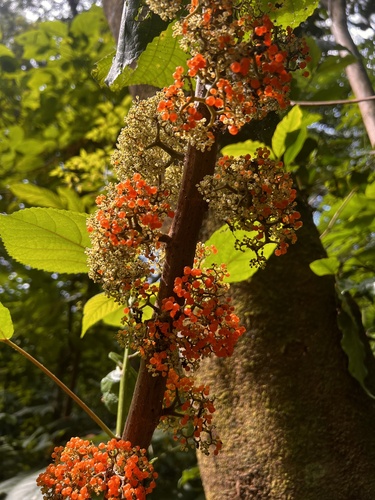
iNaturalist· cc-by-nc
(c) Han-Ting Liu, some rights reserved (CC BY-NC), uploaded by Han-Ting Liu
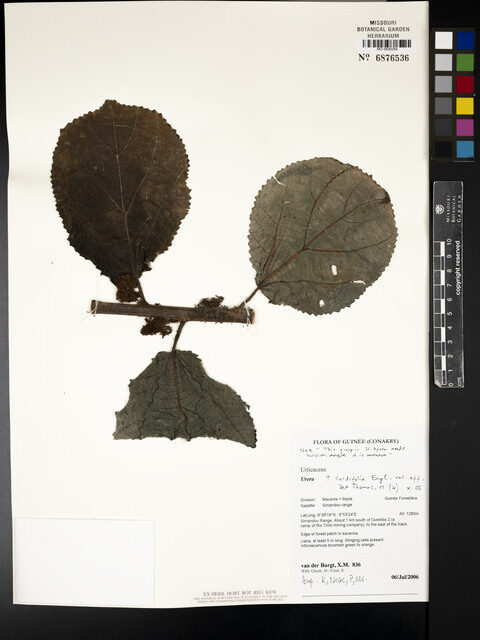
iNaturalist· cc-by-nc
(c) akuan, some rights reserved (CC BY-NC)
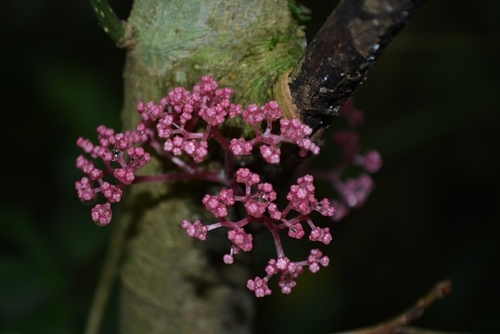
iNaturalist· cc-by-nc
(c) Marco_Bautista99, some rights reserved (CC BY-NC), uploaded by Marco_Bautista99
Description
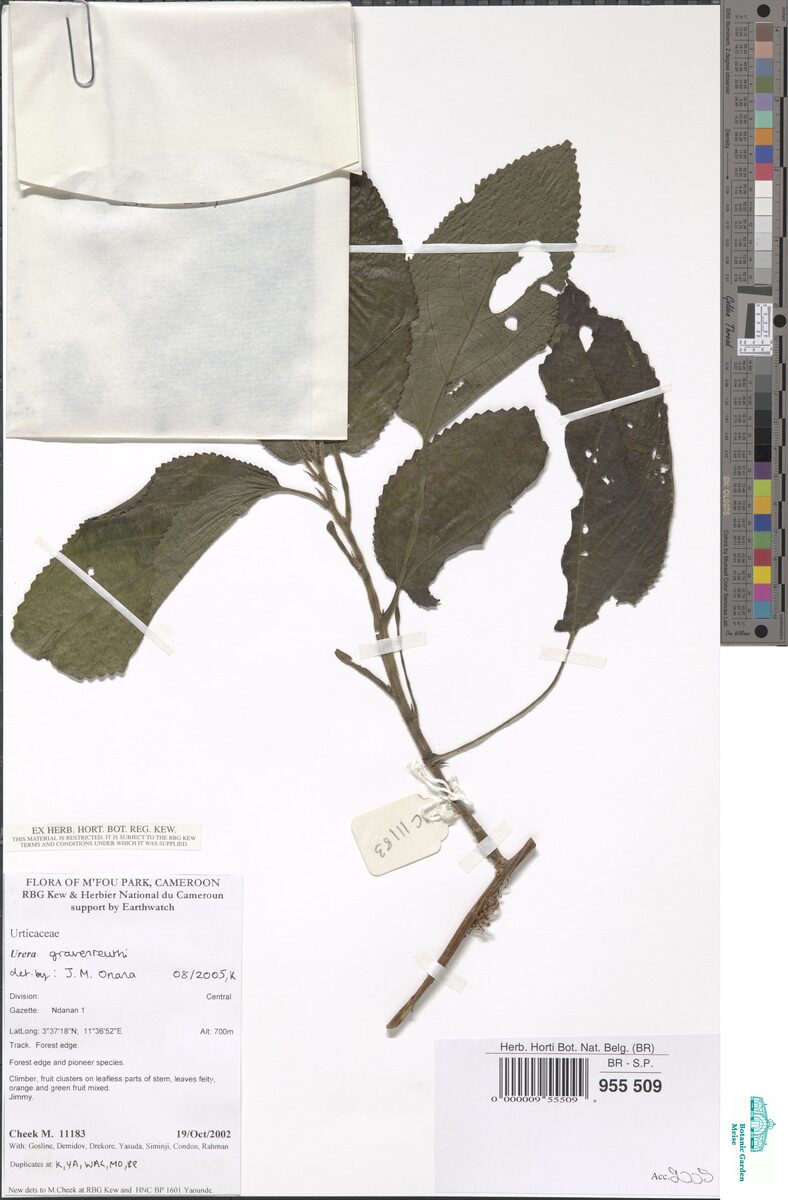
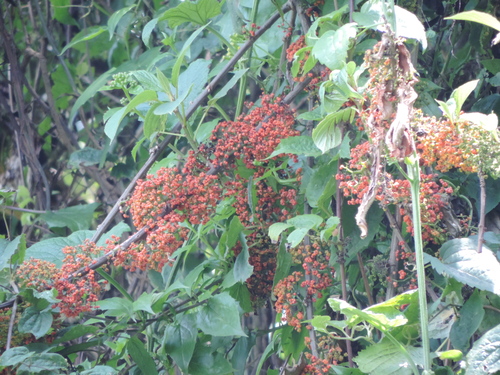
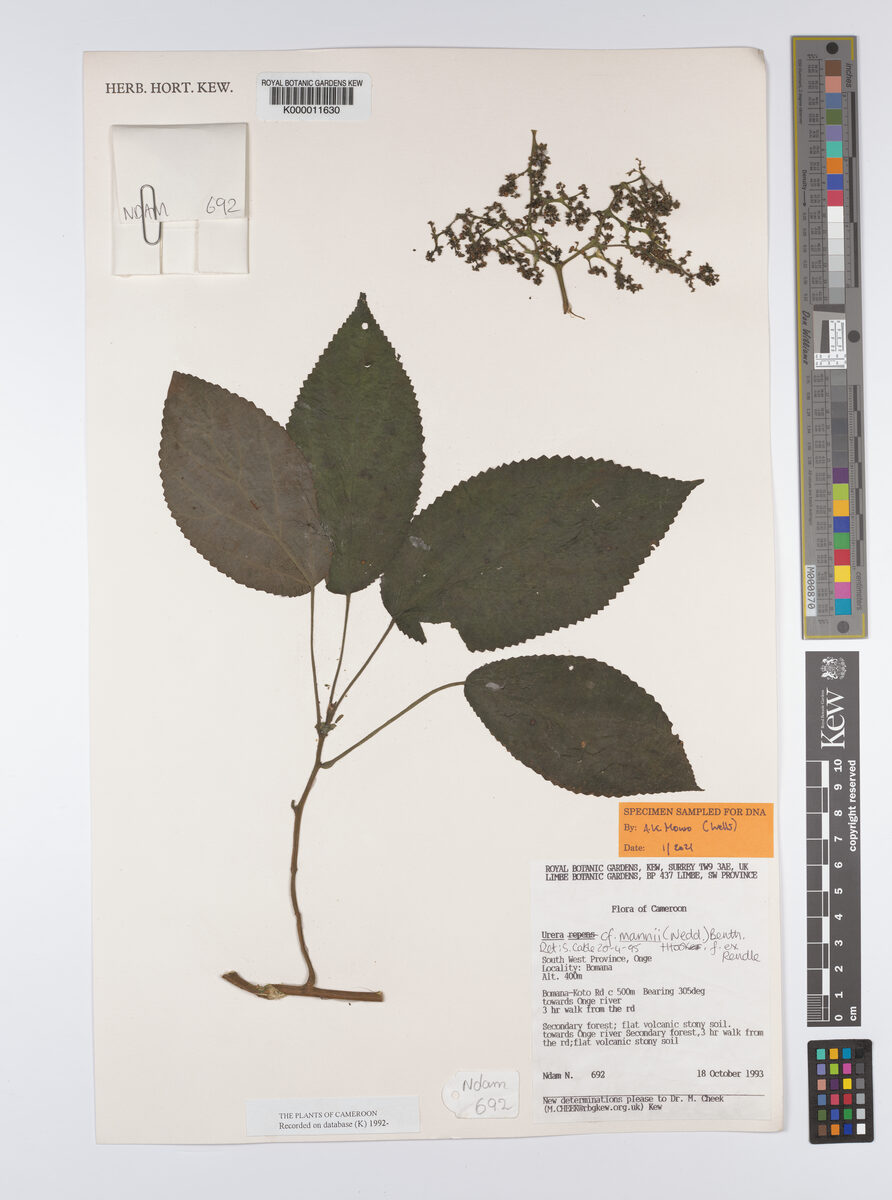
A shrub. It grows to 3 m high. It has a reddish stem. The leaves have stalks. They are alternate. The leaves are 5-15 cm long by 1-5 cm wide. They taper to the tip and have teeth around the edge. They are white and hairy underneath. The base is rounded or wedge shaped. The flowers are yellow. They are in clusters mostly in the axils of leaves. The fruit is dry and oblong. It is flattened.
Edible Uses
Tender leaves are cooked and eaten as a vegetable. The root powder is used to make bread.
Traditional Uses
Tender leaves are cooked and eaten as a vegetable. The root powder is used to make bread.
This uses section is brief — help expand it
Medicinal Uses
A paste made from the roots is applied to boils.
Distribution
A tropical plant. In Nepal plants grow between 900-3000 m altitude. They are common on rocky ground. In Sichuan and Yunnan.
Where It Grows
Asia, Bhutan, China, Himalayas, India, Indochina, Indonesia, Laos, Malaysia, Myanmar, Nepal, Northeastern India, SE Asia, Taiwan, Thailand, Vietnam,
Cultivation
Plants are grown from seed.
Other Uses
A fibre obtained from the bark is used to make rope, nets etc. A useful cordage fibre. The light reddish-brown wood is hard but apt to warp. A fast-growing shrub or small tree that is often found in patches of abandoned cultivation. It can possibly be used as a pioneer species.
Synonyms
Also Known As
Chiple, Osik, Pleta chi, Tanu
References (8)
- Dangol, D. R. et al, 2017, Wild Edible Plants in Nepal. Proceedings of 2nd National Workshop on CUAOGR, 2017.
- Flora of China @ efloras.org Volume 5
- Joshi, N., et al, 2007, Traditional neglected vegetables of Nepal: Their sustainable utilization for meeting human needs. Tropentag 2007. Conference on International Agricultural Research for Development.
- Khakurel, D., et al, 2021, Foods from the wild: Local knowledge, use pattern and distribution in Western Nepal. PLOS ONE.
- Manandhar, N.P., 2002, Plants and People of Nepal. Timber Press. Portland, Oregon. p 379
Show all 8 references Hide references
- Mot So Rau Dai an Duoc O Vietnam. Wild edible Vegetables. Ha Noi 1994, p 70
- Murtem, G. & Chaudhrey, P., 2016, An ethnobotanical note on wild edible plants of Upper Eastern Himalaya, India. Brazilian Journal of Biological Sciences, 2016, v. 3, no. 5, p. 63-81
- Taram, M., et al, 2018, Wild Food Plant Resources of Komkar Adi Tribe of Upper Siang District in Arunachal Pradesh, India. Bulletin of Arunachal Forest Research, Vol. 33(2), 27-35