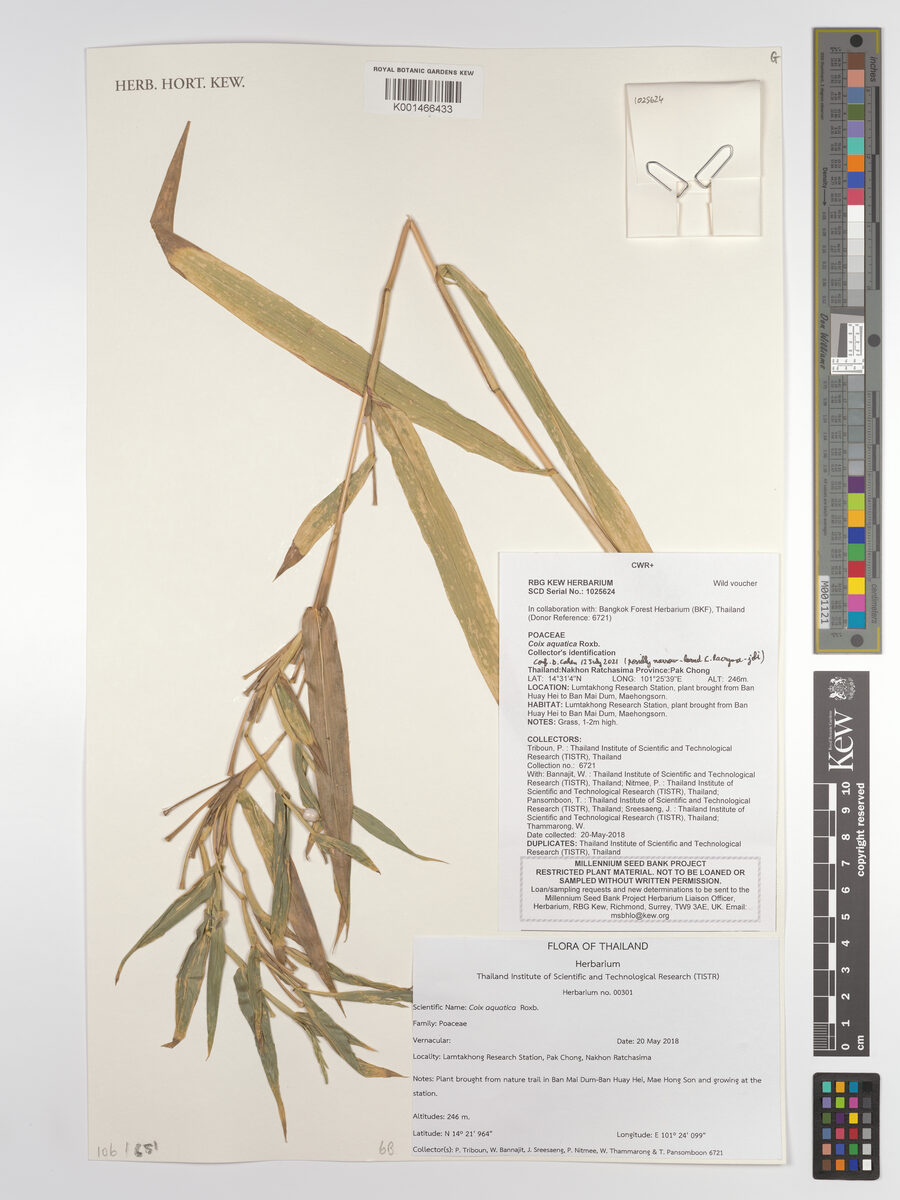
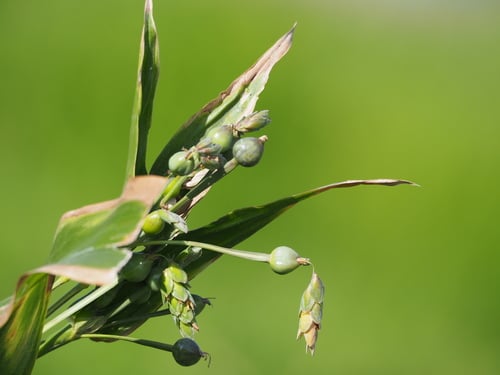
Uniola paniculata
L.
Sea oats
iNaturalist· cc-by-nc
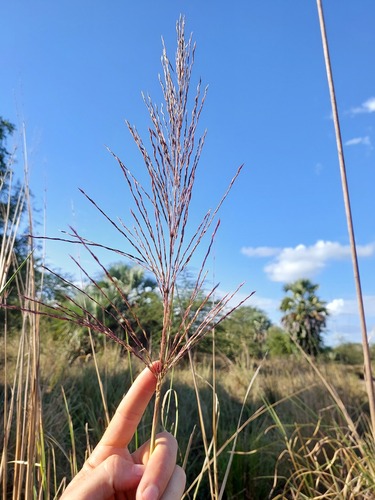
(c) forestseasons, some rights reserved (CC BY-NC), uploaded by forestseasons
iNaturalist· cc-by-nc
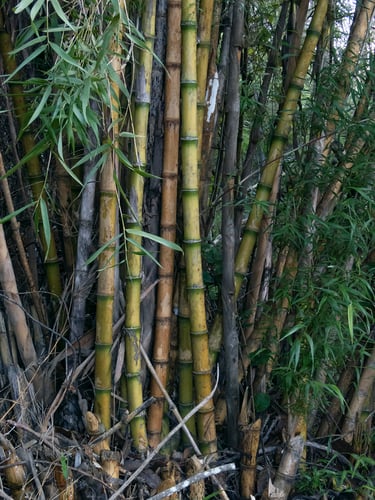
(c) Suzanne Dingwell, some rights reserved (CC BY-NC), uploaded by Suzanne Dingwell
iNaturalist· cc-by
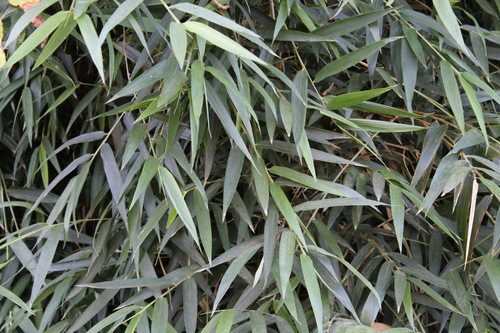
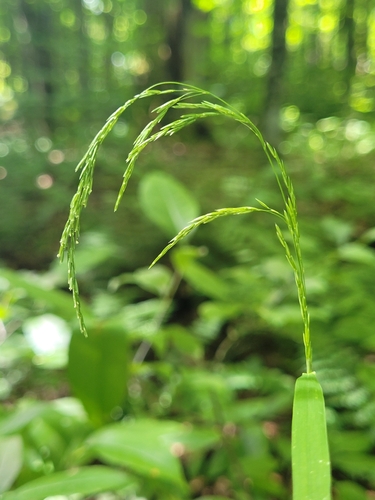
(c) Lauren Gillett, some rights reserved (CC BY), uploaded by Lauren Gillett
Summary
Source: WikipediaUniola paniculata, also known as sea oats, seaside oats, araña, and arroz de costa, is a tall subtropical grass that is an important component of coastal sand dune and beach plant communities in the southeastern United States, eastern Mexico and some Caribbean islands. Its large seed heads that turn golden brown in late summer give the plant its common name. Its tall leaves trap wind-blown sand and promote sand dune growth, while its deep roots and extensive rhizomes act to stabilize them, so the plant helps protect beaches and property from damage due to high winds, storm surges and tides. It also provides food and habitat for birds, small animals and insects.
Description
A perennial grass reaching 2.5 m tall at a medium growth rate. Hardy to UK zone 7. Flowers July to August with wind pollination. Grows in light sandy to medium loamy soils, tolerates mildly acid through basic pH including saline conditions. Adapts to semi-shade or full sun and prefers moist soil. Can withstand maritime exposure, making it valuable for coastal areas.
Edible Uses
The seed is cooked and eaten as a cereal and is said to have a very good flavour. Seed production in the wild is generally poor.
Traditional Uses
The seeds are cooked and eaten as a cereal.
This uses section is brief — help expand it
Medicinal Uses
None known
Distribution
It is a tropical plant. It grows on sand dunes just above the high tide level.
Where It Grows
Central America, Mexico, North America, Turks & Caicos, USA, West Indies,
Cultivation
Prefers a moist sandy soil, tolerating some shade. Tolerates maritime exposure and saline soils. An invasive plant, spreading freely by means of its rhizomes, but it is very ornamental. and is well worth a place in the garden.
Propagation
Sow seed in early spring in situ, barely covering it. Division in spring is also possible.
Other Uses
The plant's spreading root system makes it useful for stabilizing drifting coastal sand dunes.
Also Known As
Beach grass
References (5)
- Facciola, S., 1998, Cornucopia 2: a Source Book of Edible Plants. Kampong Publications, p 183
- Kermath, B. M., et al, 2014, Food Plants in the Americas: A survey of the domesticated, cultivated and wild plants used for Human food in North, Central and South America and the Caribbean. On line draft. p 888
- Morton,
- Plants for a Future database, The Field, Penpol, Lostwithiel, Cornwall, PL22 0NG, UK. http://www.scs.leeds.ac.uk/pfaf/
- Sp. pl. 1:71. 1753