Chrysopogon nigritanus
(Benth.) Veldkamp
Adrenaline grass, Black vetivergrass
iNaturalist· cc-by-nc
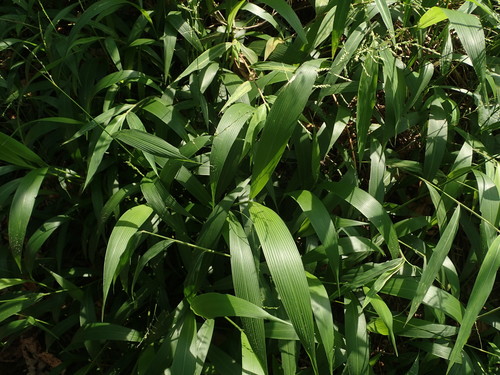
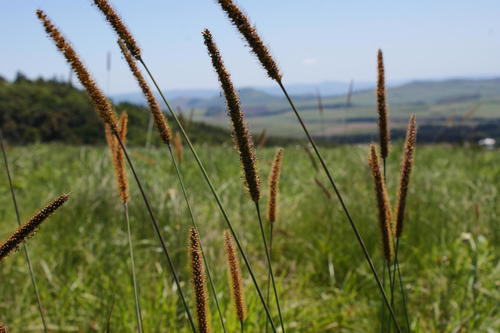
(c) graemewolfaard, some rights reserved (CC BY-NC), uploaded by graemewolfaard
iNaturalist· cc-by-nc
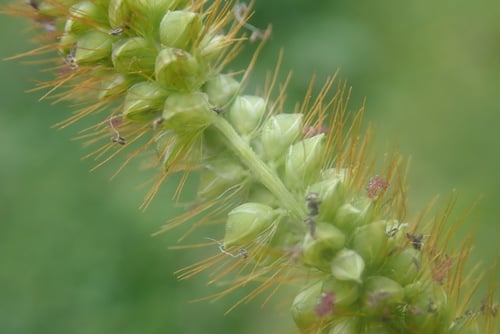
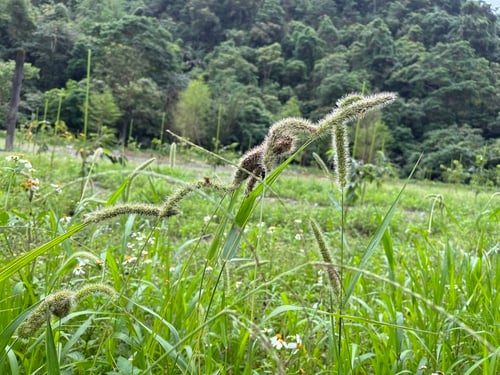
(c) dickgrimshaw, some rights reserved (CC BY-NC)
iNaturalist· cc-by-nc
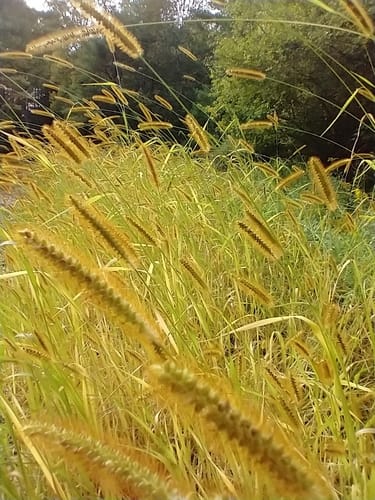
(c) graemewolfaard, some rights reserved (CC BY-NC), uploaded by graemewolfaard
Summary
Source: WikipediaChrysopogon nigritanus, more widely known by the taxonomic synonym Vetiveria nigritana, or the common name black vetivergrass, is a perennial grass species of the family Poaceae and therefore is also a monocotyledon. More specifically, Vetiveria nigritana is a very thick and tall type of grass that is deeply rooted within the ground and is usually used to protect crops and deter soil erosion. Vetiveria nigritana is also a native species to Africa and is most commonly seen in Nigeria, Northern Africa, Eastern Africa and tropical parts of Southern Africa. In addition, the plant, like other vetiver grasses, has been used in these regions due to its extreme drought tolerance, ability to grow in infertile soil and the fact that it can live under complete submergence. In fact, Vetiveria nigritana can thrive in a very diverse range of environmental and climatic conditions. Vetiveria nigritana is a very beneficial plant within subsistence agriculture, especially in Africa, due to its ability to preserve soils and reduce water runoff, which ultimately is correlated with higher crop yields. In addition, the plant is also beneficial in protecting a farmers stored crop harvests and plants while in the field because the plant can be used as a repellent or a means of destroying pest larvae before they have the ability to affect a farmer’s cash crop. Vetiveria nigritana also has various cost-effective medical applications for subsistence farmers and can be used as feed to maintain livestock in the absence of other more common feeds.
Description
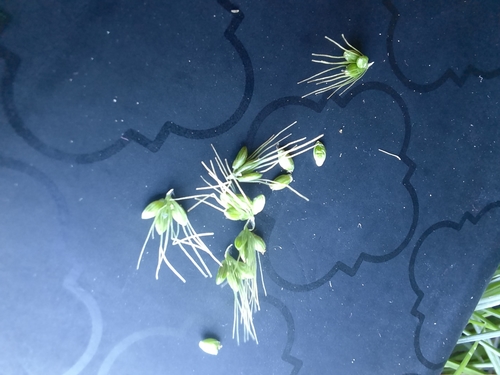
A grass. It forms clumps and keeps growing from year to year. It grows 1.5-3 m high. The leaf blades are 90 cm long by 7 mm wide. The flower panicle is 15-40 cm long. It is sword shaped. There are 8-10 rings of flowers with up to 15 flowers on each.
Edible Uses
The rhizome and roots are edible.
Medicinal Uses
There are many medical uses that have been derived from Vetiveria nigritana because the plant contains very high levels of essential oils that can be distilled and used for traditional medical applications. Firstly, Vetiveria nigritana can and has been used to increase the quality of the taste of drinking water in less developed nations such as Africa. In addition, the plant has also traditionally been used to eliminate pathogenic bacteria that are present. Lastly, Vetiveria nigritana is also beneficial at reducing diarrhea and has been used historically to treat children with a great deal of success. Therefore, Vetiveria nigritana is beneficial to poor farmers because it provides traditional cost effective ways to fight infections and disease.
Distribution
A tropical plant. It grows mainly along river banks. In southern Africa it grows between 20-1,300 m altitude.
Where It Grows
Africa, Botswana, Burkina Faso, East Africa, Gambia, Guinea, Guinée, Guinea-Bissau, Malawi, Mozambique, Niger, Nigeria, Sahel, Senegal, Southern Africa, Sudan, Tanzania, West Africa, Zambia, Zimbabwe,
Notes
There are 10 Vetiveria species.
Synonyms
Also Known As
Cudoendo, Gencha, Jema, Palha-brabo-quilanho, Saio
References (9)
- Bremness, L., 1994, Herbs. Collins Eyewitness Handbooks. Harper Collins. p 225 (As Vetiveria nigritana)
- Dalziel, J. M., 1937, The Useful plants of west tropical Africa. Crown Agents for the Colonies London. (As Vetiveria nigritana)
- Flora Zambesiaca. http://apps.kew.org/efloras
- Fowler, D. G., 2007, Zambian Plants: Their Vernacular Names and Uses. Kew. p 73, 87 (As Vetiveria nigritana)
- Lim, T. K., 2015, Edible Medicinal and Non Medicinal Plants. Volume 9, Modified Stems, Roots, Bulbs. Springer p 84
Show all 9 references Hide references
- MORTIMORE, (As Vetiveria nigritana)
- Peters, C. R., O'Brien, E. M., and Drummond, R.B., 1992, Edible Wild plants of Sub-saharan Africa. Kew. p 29 (As Vetiveria nigritana)
- D. Prain, Fl. trop. Afr. 9:157. 1917 (As Vetiveria nigritana)
- World Checklist of Useful Plant Species 2020. Royal Botanic Gardens, Kew