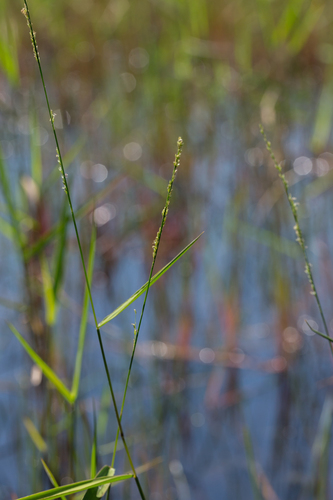
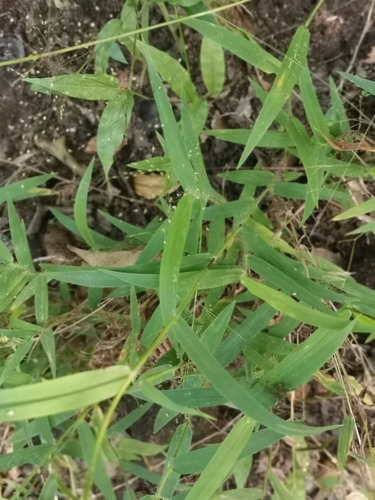
Chusquea culeou
Desv.
Cana
iNaturalist· cc-by-nc-sa
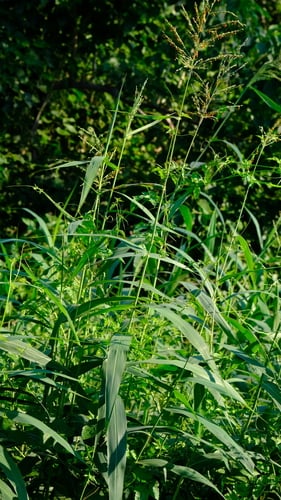
(c) Claudio Maureira, some rights reserved (CC BY-NC-SA), uploaded by Claudio Maureira
iNaturalist· cc-by
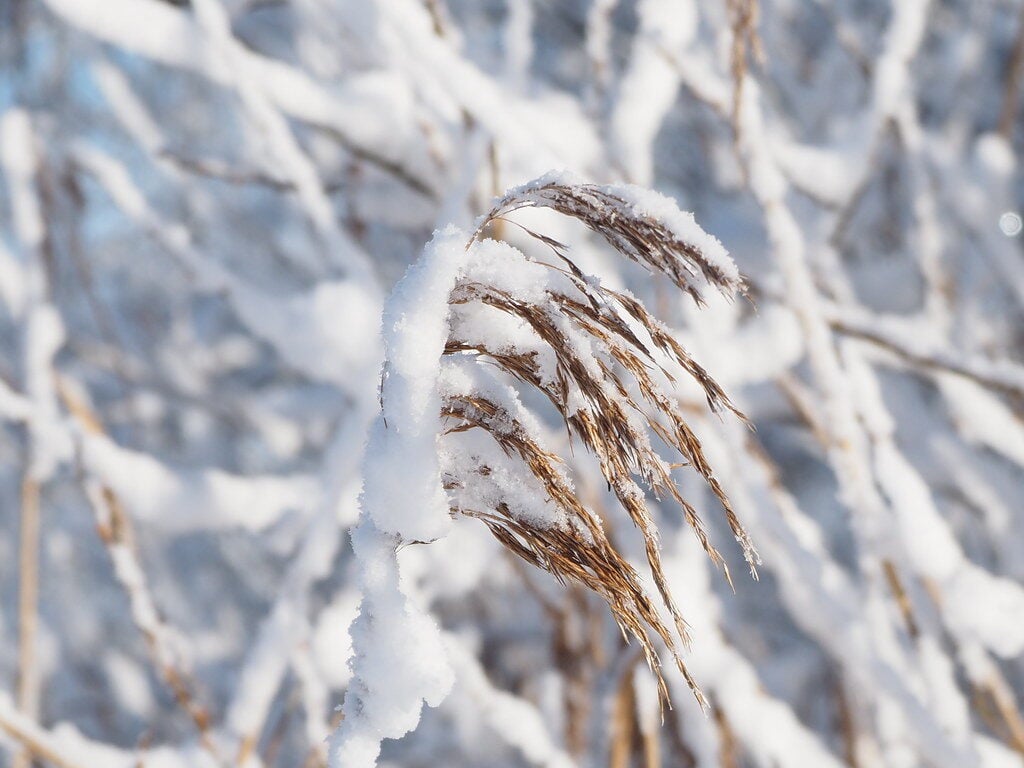
(c) Lera Miles, some rights reserved (CC BY), uploaded by Lera Miles
iNaturalist· cc-by-nc
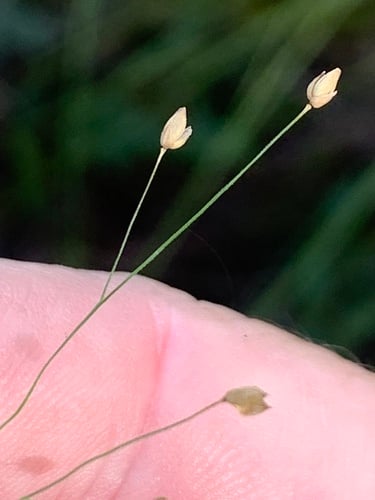
(c) Pablo Silva, some rights reserved (CC BY-NC), uploaded by Pablo Silva
Summary
Source: WikipediaChusquea culeou, the Chilean bamboo, (Spanish: caña coligüe or colihue) is a species of flowering plant in the grass family Poaceae. An evergreen bamboo native to South America, unlike most species within the genus Chusquea, it is frost-tolerant and thus widely cultivated in temperate regions.
Description
An evergreen bamboo growing to 5 m tall with a spread of 2.5 m at a fast rate. Hardy to UK zone 7, it tolerates sandy, loamy, and clay soils, semi-shade, and both moist and drought conditions across a wide pH range.
Edible Uses
Young shoots are eaten cooked.
Traditional Uses
The shoots are eaten, cooked by boiling or roasting.
This uses section is brief — help expand it
Medicinal Uses
None known
Distribution
It is a temperate plant. It grows in Subantarctic forest in Argentina. It grows up to 2,000 m above sea level.
Where It Grows
Argentina*, Chile, South America,
Cultivation
Prefers a damp humus rich soil. Prefers an open loam of reasonable quality, doing well on peat. Likes plenty of moisture in the growing season. Established plants are drought tolerant. They require a position sheltered from cold north and east winds. A very hardy plant, tolerating temperatures down to about -15°c. Another report says that the plant is probably only hardy in the milder areas of the country. It succeeds outdoors at Edinburgh Botanical Gardens and is growing well at Kew. This species is found further south in the world than any other species of bamboo, it grows in Chile as far south as latitude 47°south. The rootstock is caespitose, new shoots are produced from late April and can grow 15cm overnight. Plants take 2 - 3 years to settle down after being moved but are then quite fast growing. Another report says that they are slow growing. This species is notably resistant to honey fungus. Plants flower and produce seed annually in the wild without dying as a result of the flowering. Plants of the cultivar 'Tenuis' have been observed to be flowering in 1994, this is the first record of this species flowering in the northern hemisphere.
Propagation
Surface sow seed as soon as it is ripe in a greenhouse at around 20°C, keeping the compost consistently moist. Germination usually occurs fairly quickly with good-quality seed, though it can take 3–6 months. Grow on in a lightly shaded spot in the greenhouse until large enough to plant out. Seed is rarely available. Division in spring as new growth begins is very difficult; take divisions with at least four canes, disturbing the main plant's roots as little as possible. Grow divisions in light shade in a greenhouse in pots of high-fertility sandy medium and mist the foliage regularly until established. Plant out when a good root system has developed, which may take a year or more. Basal cane cuttings can also be used.
Other Uses
The canes are used to make musical instruments, plain furniture, and fencing.
Synonyms
Also Known As
Coligue, Colihue, Coyocho colew, Culeu
References (9)
- Barreau, A., et al, 2016, How Can We Teach Our Children if We Cannot Access the Forest? Generational Change in Mapuche Knowledge of Wild Edible Plants in Andean Temperate Ecosystems of Chile. Journal of Ethnobiology 36(2): 412–432
- Cordero, S. E., Abello, L. A., & Galvez, F. L., 2017, Plantas silvestres comestibles y medicinales de Chile y otras partes del mundo. CORMA p 45
- Daly, A. B., 20014, Narrating changing foodways: wild edible plant knowledge and traditional food systems in Mapuche lands of the Andean Temperate Forests, Chile. Masters Thesis Vancouver. p 45
- Ladio, A. H. & Lozada, M., 2000, Edible Plant Use in a Mapuche Community of North-western Patagonia, Human Ecology. Vol. 28, No. 1. pp. 53-71
- Ladio, A. H., 2001, The Maintenance of Wild Edible Plant Gatherings in a Mapuche Community of Patagonia. Economic Botany, Vol. 55, No. 2, pp. 243-254
Show all 9 references Hide references
- Ladio, A. H. and Lozada, M., 2004, Patterns of use and knowledge of wild edible plants in distinct ecological environments: a case study of a Mapuche community from northwestern Patagonia. Biodiversity and Conservation 13:1153-1173
- Ladio, A., Lozada, M. & M. Weigandt, 2007, Comparison of traditional wild plant knowledge between aboriginal communities inhabiting arid and forest environments in Patagonia, Argentina. Journal of Arid Environments 69 (2007) 695–715
- Leon-Lobos, P., et al, 2022, Patterns of Traditional and Modern Uses of Wild Edible Native Plants of Chile: Challenges and Future Perspectives. Plants (Basel) v 11 (6) Table S1
- Rapoport, E. H. & Ladio, A. H., 1999, Plantas comestibles. Bosque Volume 20 No. 2. ISSN 0314-8799