Coix aquatica
Roxb.
gbif· cc-by
Royal Botanic Gardens, Kew
gbif· cc-by
Royal Botanic Gardens, Kew
gbif· cc-by
Royal Botanic Gardens, Kew
Description
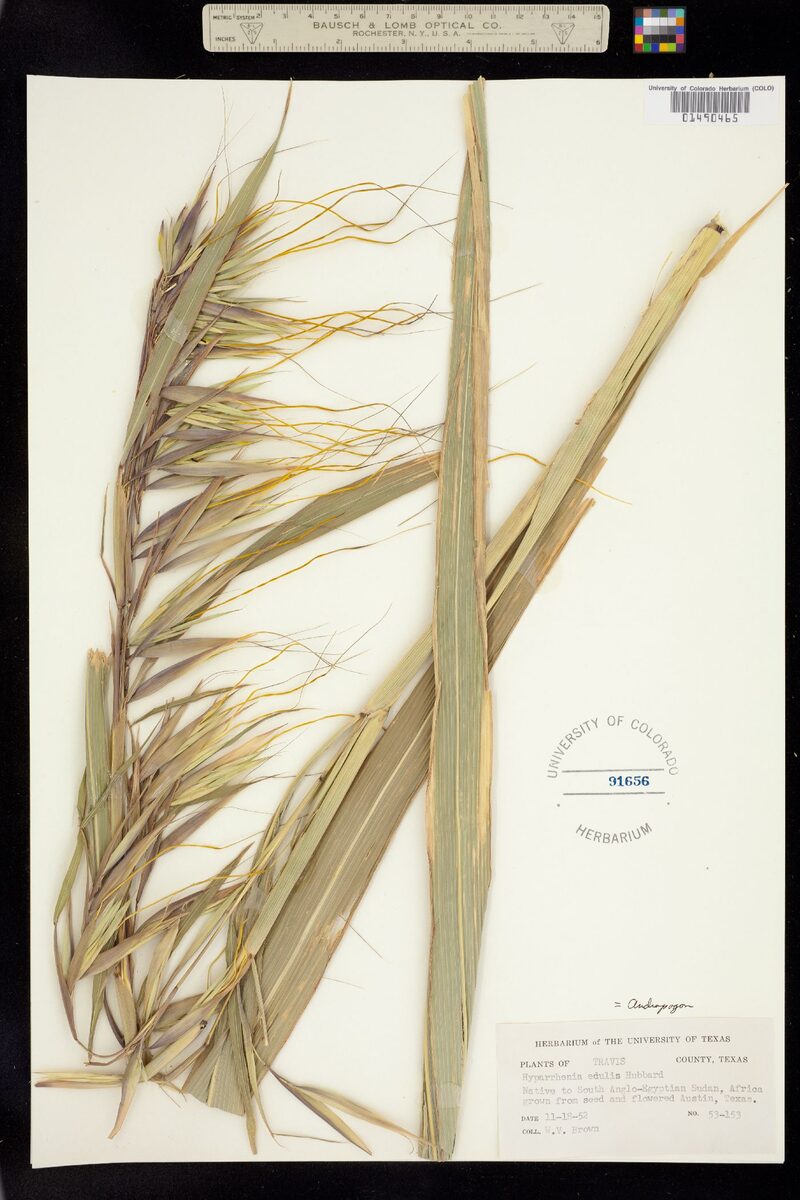
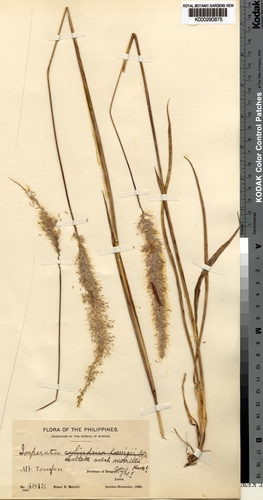
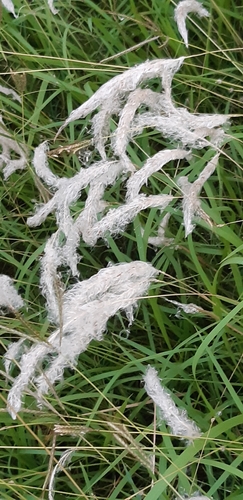
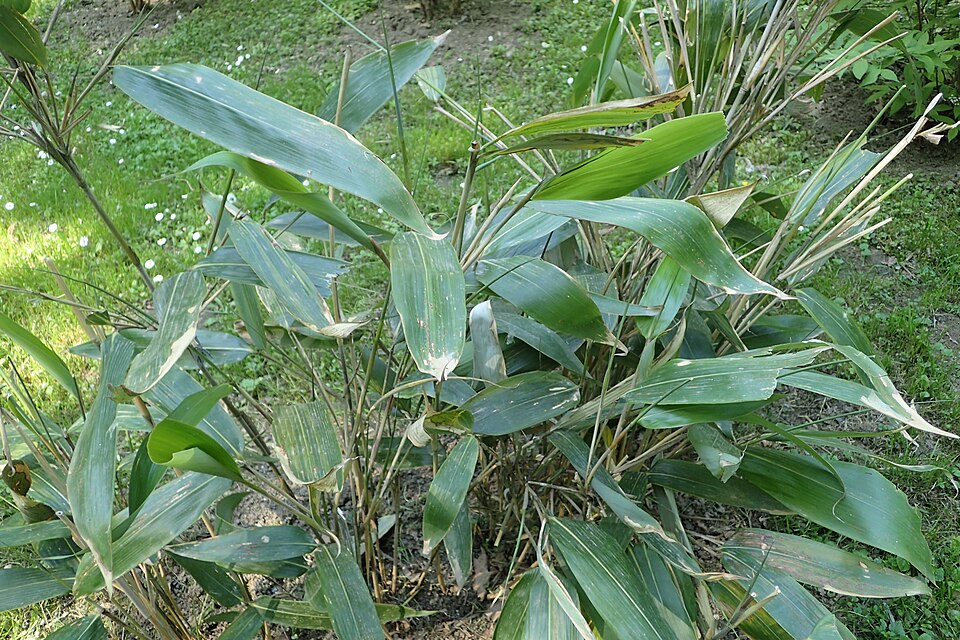
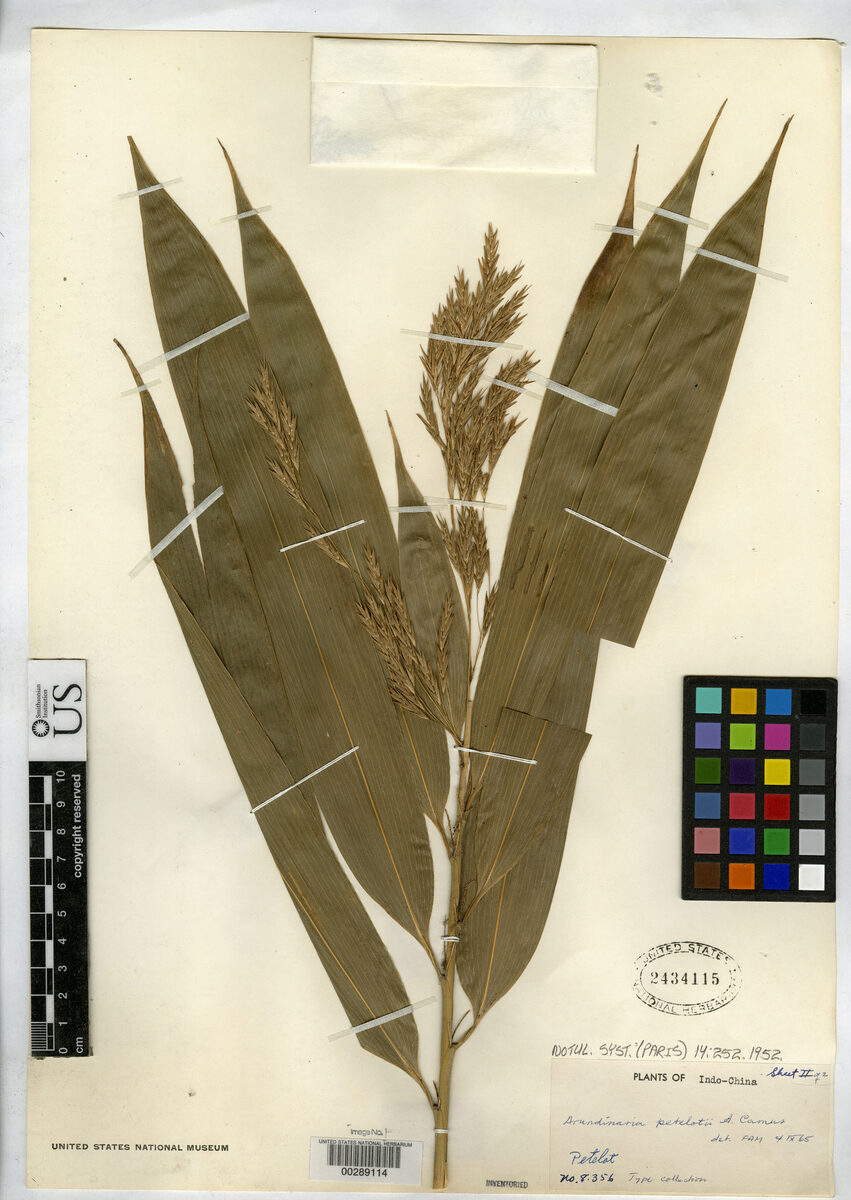
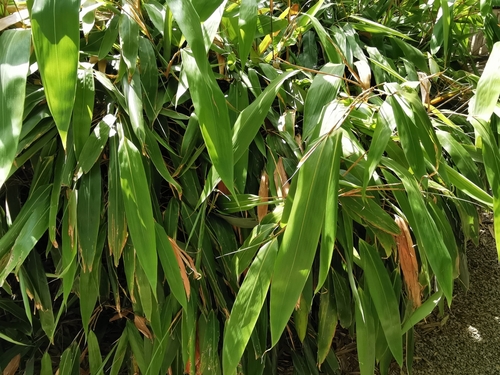
A large grass with thick stems that keeps growing from year to year. The stems can be floating or creeping. When in water there are floating swollen roots. The upper surface of the leaves has glands and these have bristle-like hairs.
Edible Uses
The seeds are eaten as a cereal.
Medicinal Uses
The roots are used in traditional medicine.
Distribution
It is a tropical plant. It can tolerate prolonged flooding. It grows in lakes, streams and open water between 500-1,800 m above sea level in southern China. In Yunnan.
Where It Grows
Asia, Australia, Bangladesh, Bhutan, China, Himalayas, India*, Indochina, Malaysia, Myanmar, SE Asia, Sri Lanka, Thailand, Vietnam,
Other Information
It is cultivated.
Notes
There are 5 or 6 Coix species. The roots are used in medicine.
Synonyms
References (5)
- Arora, R. K., 2014, Diversity in Underutilized Plant Species - An Asia-Pacific Perspective. Bioversity International. p 102
- Fl. ind. ed. 1832, 3:571. 1832
- Romanowski, N., 2007, Edible Water Gardens. Hyland House. p 85
- Swapna, M. M. et al, 2011, A review on the medicinal and edible aspects of aquatic and wetland plants of India. J. Med. Plants Res. 5 (33) pp. 7163-7176
- Zeven, A. C. & de West, J. M. J., 1982, Dictionary of cultivated plants and their regions of diversity. Wageningen. p 53