Ulmus glabra
Huds.
Wych elm, Scotch elm
iNaturalist· cc-by-nc-sa
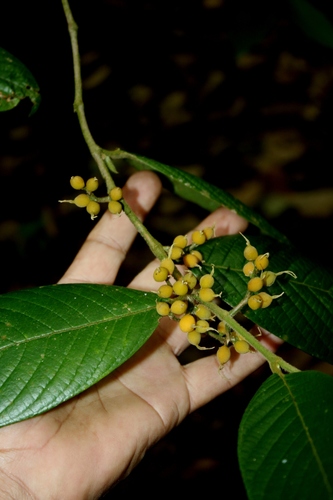
(c) pluralzed, some rights reserved (CC BY-NC-SA)
iNaturalist· cc-by-nc
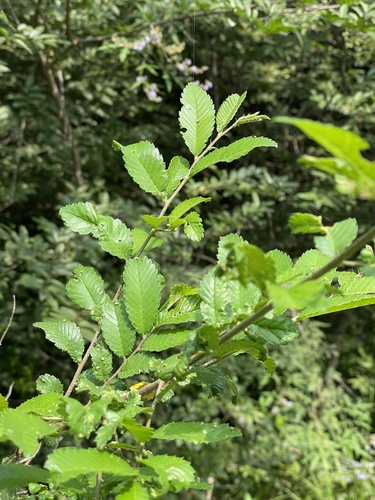
(c) Graham Clarkson, some rights reserved (CC BY-NC), uploaded by Graham Clarkson
iNaturalist· cc-by-nc
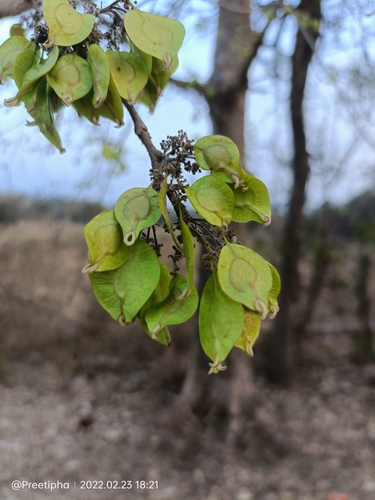
(c) ramazan_murtazaliev, some rights reserved (CC BY-NC), uploaded by ramazan_murtazaliev
Summary
Source: WikipediaUlmus glabra, the wych elm or Scots elm, has the widest range of the European elm species, from Ireland eastwards to the Ural Mountains, and from the Arctic Circle south to the mountains of the Peloponnese and Sicily, where the species reaches its southern limit in Europe; it is also found in Iran. A large deciduous tree, it is essentially a montane species, growing at altitudes up to 1,500 m (4,900 ft), preferring sites with moist soils and high humidity. The tree can form pure forests in Scandinavia and occurs as far north as latitude 67°N at Beiarn Municipality in Norway. It has been successfully introduced as far north as Tromsø and Alta in northern Norway (70°N). It has also been successfully introduced to Narsarsuaq, near the southern tip of Greenland (61°N). The tree was by far the most common elm in the north and west of the British Isles and is now acknowledged as the only indisputably British native elm species. Owing to its former abundance in Scotland, the tree was occasionally (primarily historically) known as Scots elm; Loch Lomond is said to be derived from the Gaelic Lac Leaman, interpreted by some as 'Lake of the Elms', 'leaman' being the genitive plural form of leam or lem, 'elm'. Closely related species, such as Bergmann's elm, U. bergmanniana, and the Manchurian elm, U. laciniata, native to northeast Asia, were once sometimes included in U. glabra; another close relative is the Himalayan or Kashmir elm, U. wallichiana. Conversely, U. elliptica from the Caucasus, considered a species by many authorities, is sometimes listed as a regional form of U. glabra.
Description
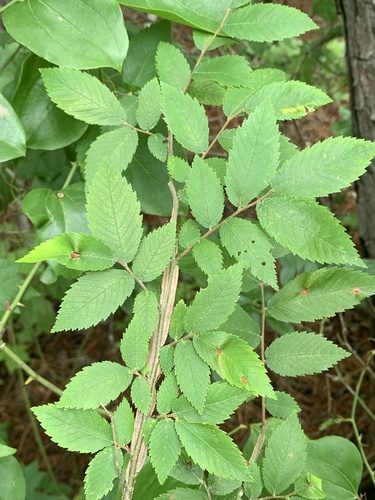
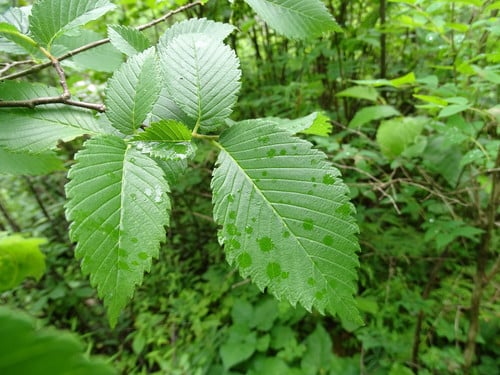
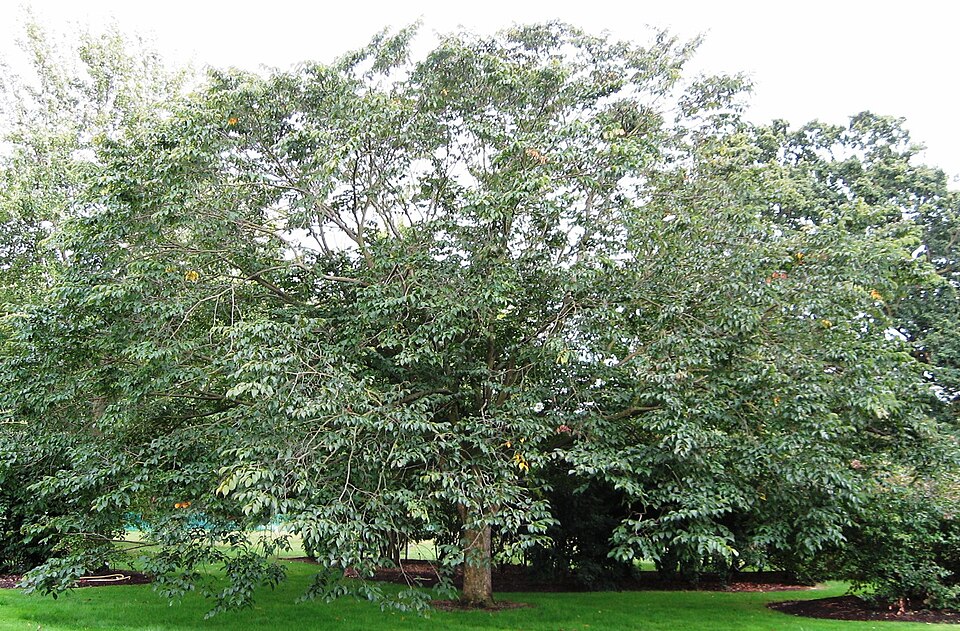
A large tree. It grows 30 m high. It has a wide spreading crown. It does not form suckers. The leaves are alternate and have double teeth around the edge. The leaves are 8-16 cm long. The base is unequal. The leaves are dull, dark green. The leaves turn a distinctive yellow in autumn. The leaves are rough above. The flowers are small and purplish. The fruit are winged and in clusters. The seed is larger than English elm.
Edible Uses
Leaves can be eaten raw or cooked. They can be slightly bitter, especially older ones, and have a mucilaginous texture, making a pleasant addition to mixed salads. Immature fruits, gathered just after forming, can be eaten raw. They have an aromatic, unusual flavour that leaves the mouth feeling fresh and the breath smelling pleasant, and contain approximately 34.4% protein, 28.2% fat, 17% carbohydrate and 5% ash. The fruit is about 2.5cm long. The inner bark is mucilaginous and can be dried, ground into a powder and used as a thickening agent in soups or mixed with cereal flour when making bread.
Traditional Uses
The sap is eaten fresh.
This uses section is brief — help expand it
Medicinal Uses
The inner bark is astringent, demulcent and mildly diuretic. It is used both internally and externally to treat diarrhoea, rheumatism, wounds and piles, and as a mouthwash for ulcers. Inner bark for medicinal use is harvested from branches 3–4 years old and dried for later use. The plant is used in Bach flower remedies, prescribed for occasional feelings of inadequacy, despondency and exhaustion from over-striving for perfection. A homeopathic remedy made from the inner bark is used in the treatment of eczema.
Distribution
It is a temperate plant. It will grow in most well-drained soils. It needs an open, sunny position. It is hardy to frost but affected by drought. It suits hardiness zones 5-9. At Anvers Chocolate factory. Arboretum Tasmania.
Where It Grows
Andorra, Asia, Australia, Belgium, Britain*, Canada, Caucasus, Central Asia, China, Czech Republic, Europe*, Georgia, Hungary, Iraq, Luxembourg, Middle East, North America, Norway, Scandinavia, Slovenia, Sweden, Tajikistan, Tasmania, Turkey, Türkiye, USA,
Cultivation
Easily grown in any soil of at least moderate quality so long as it is well drained. Prefers a deep or heavy soil that is moist but not waterlogged and does not thrive if the soil is markedly acid. Moderately shade tolerant. Very wind resistant and tolerant of maritime exposure. Trees cast a dense shade. Rarely produces suckers but responds well to coppicing. The wych elm is subject to 'Dutch elm disease' (though less so than U. procera), a disease that has destroyed the greater part of all the elm trees growing in Britain. Mature trees killed back by the disease will often regrow from suckers, but these too will succumb when they get larger. There is no effective cure (1992) for the problem, but most E. Asian, though not Himalayan, species are resistant to the disease so the potential exists to develop new resistant hybrids with the native species. The various species hybridize freely, the pollen stores well and can be kept for use with species that flower at different times. A very ornamental tree, it is a food plant for the caterpillars of many lepidoptera species. A good tree for growing grapes into.
Propagation
Sow seed in a cold frame as soon as it is ripe — it usually germinates within a few days. Stored seed germinates less reliably and is best sown in early spring. Seed can also be harvested green (fully developed but not yet dried on the tree) and sown immediately in a cold frame, where it will germinate quickly and produce a larger plant by the end of the season. Once large enough to handle, prick seedlings into individual pots and grow on in a greenhouse through their first winter. Plant out in late spring or early summer after the last expected frosts. Do not leave plants in a nursery bed for more than two years, as they develop a tap root and transplant poorly after that point. Propagation is also possible by layering suckers or coppiced shoots.
Other Uses
A fibre from the inner bark is used for making mats and ropes. The wood is very durable under water, fairly hard, elastic, and resistant to abrasion and salt water. It is used for water pipes, wheels, mallet heads and ship keels.
Synonyms
Also Known As
Alm, Goli brest, Tela
References (13)
- Bussman, R. W., et al, 2021, Unity in diversity—food plants and fungi of Sakartvelo (Republic of Georgia), Caucasus. Journal of Ethnobiology and Ethnomedicine (2021) 17:72 p 15
- Denes, A., et al, 2012, Wild plants used for food by Hungarian ethnic groups living in the Carpathian Basin. Acta Societatis Botanicorum Poloniae 81 (4): 381-396
- Farrar, J.L., 1995, Trees of the Northern United States and Canada. Iowa State University press/Ames p 359
- Fl. angl. 95. 1762
- Girard, N. J., 2020, Sustainable Foraging of Wild Edible Plants in Norway. A Biocultural Approach. M. Sc. thesis Norwegian University. p 37
Show all 13 references Hide references
- Harris, E & J., 1983, Field Guide to the Trees and Shrubs of Britain. Reader's Digest. p 77
- Hibbert, M., 2002, The Aussie Plant Finder 2002, Florilegium. p 304
- http://www.botanic-gardens-ljubljana.com/en/plants
- Lord, E.E., & Willis, J.H., 1999, Shrubs and Trees for Australian gardens. Lothian. p 75
- Luczaj, L. et al, 2012, Wild food plant use in 21st century Europe: the disappearance of old traditions and the search for new cuisines involving wild edibles. Acta Soc Bot Pol 81(4):359–370
- Plants for a Future database, The Field, Penpol, Lostwithiel, Cornwall, PL22 0NG, UK. http://www.scs.leeds.ac.uk/pfaf/
- Simkova, K. et al, 2014, Ethnobotanical review of wild edible plants used in the Czech Republic. Journal of Applied Botany and Food Quality 88, 49-67
- Svanberg, I. et al, 2012, Uses of tree saps in northern and eastern parts of Europe. Acta Societatis Botanicorum Poloniae 81 (4): 343-357