Typhonium divaricatum
(L.) Decne.
iNaturalist· cc-by
(c) pbsg, some rights reserved (CC BY)
iNaturalist· cc-by
(c) pbsg, some rights reserved (CC BY)
iNaturalist· cc-by
(c) pbsg, some rights reserved (CC BY)
Description
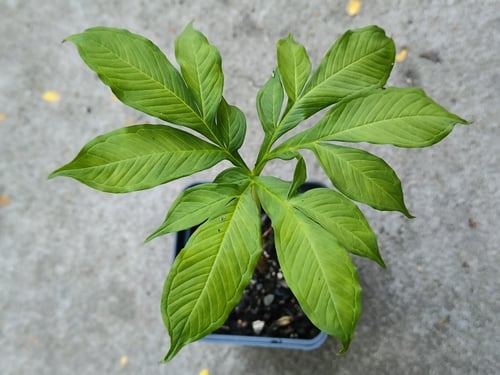
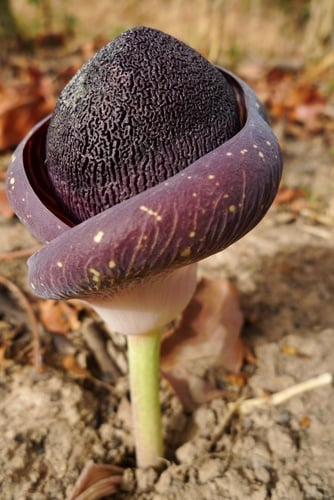
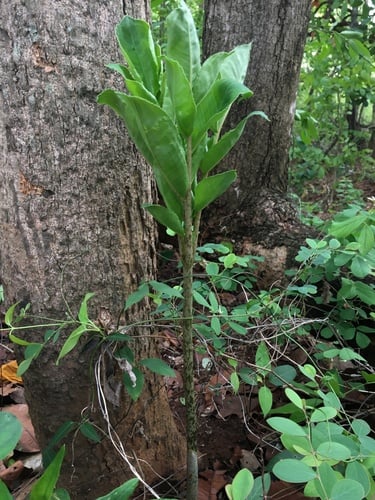
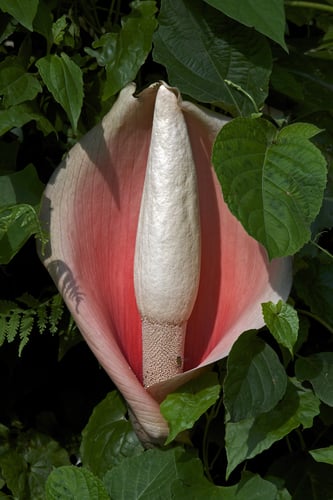
A taro family herb. It has underground tubers. The stems are short and have heart shaped leaves. The leaves are 15-18 cm long. Around the flower is a green spathe that narrows to a tip at the end. The fruit are oval berries with 1 or 2 seeds.
Edible Uses
The bulbs and leaves are eaten, particularly in times of scarcity.
Traditional Uses
It is eaten in times of scarcity.
This uses section is brief — help expand it
Distribution
It is a tropical plant.
Where It Grows
Asia, China, Guam, India, Indonesia, SE Asia, Taiwan,
Notes
There are about 50 Typhonium species.
Synonyms
Arum divaricatum L.
Also Known As
Pantake
References (4)
- Altschul, S.V.R., 1973, Drugs and Foods from Little-known Plants. Notes in Harvard University Herbaria. Harvard Univ. Press. Massachusetts. no. 148
- Ambasta, S.P. (Ed.), 2000, The Useful Plants of India. CSIR India. p 659
- Stone, B.,
- WATT