Tropaeolum tricolor
Sweet
iNaturalist· cc-by-nc-sa
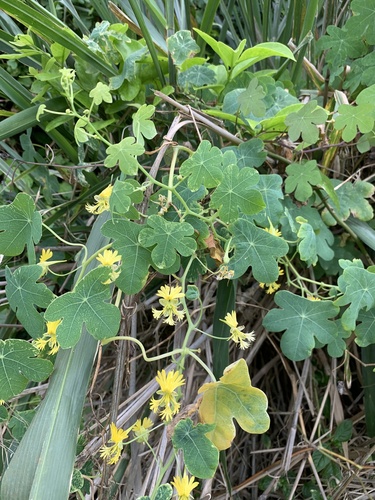
(c) Ariel Cabrera Foix, some rights reserved (CC BY-NC-SA), uploaded by Ariel Cabrera Foix
iNaturalist· cc-by-nc
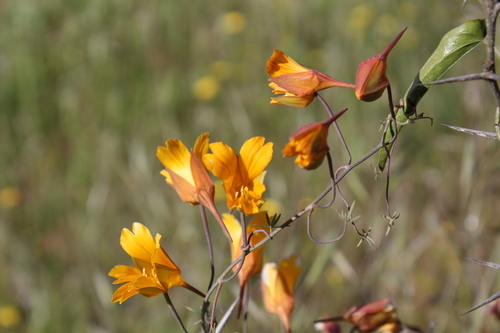
(c) danielaperezorellana, some rights reserved (CC BY-NC)
iNaturalist· cc-by-nc
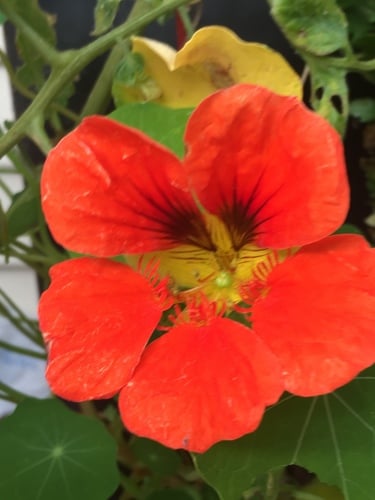
(c) Mauricio Fuentes Garrido, some rights reserved (CC BY-NC), uploaded by Mauricio Fuentes Garrido
Summary
Source: WikipediaTropaeolum tricolor, the three-coloured Indian cress or Chilean nasturtium, is a species of perennial plant in the family Tropaeolaceae. It is endemic to Chile, where it is called soldadito rojo and relicario.
Description
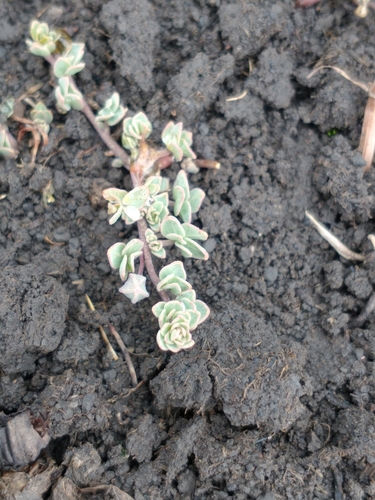
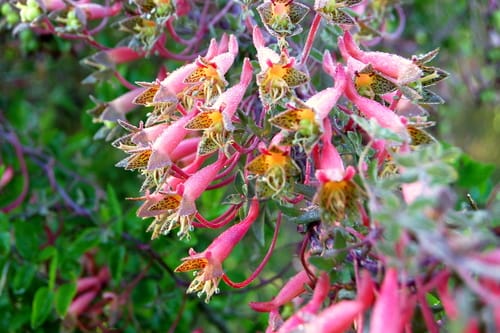
A trailing or climbing plant. It has tuberous roots. These are often oval and irregular. It grows 2 m high and spreads 2 m wide. The stems are very slender. The leaves are small and green or blue-green. They have lobes like fingers on a hand. There are 5-7 lobes. The flowers are in clusters. They are cone shaped and hang down. The tips of the spurs are black. The petals are short and cream or yellow. The flowers are 3 cm long.
Edible Uses
The tuberous roots are edible.
Distribution
A subtropical plant. It will grow in most soils and positons. It is tender to frost and drought. It suits hardiness zones 8-11.
Where It Grows
Australia, Bolivia*, Chile*, South America, Tasmania,
Cultivation
It canbe grown from seed.
Notes
There are 80 to 90 Tropaeolum species.
Synonyms
References (5)
- Brit. fl. gard. 3: t. 270. 1828 "tricolorum"
- Cundall, P., (ed.), 2004, Gardening Australia: flora: the gardener's bible. ABC Books. p 1434 (As Tropaeolum tricolor)
- Hibbert, M., 2002, The Aussie Plant Finder 2002, Florilegium. p 302
- Plants for a Future database, The Field, Penpol, Lostwithiel, Cornwall, PL22 0NG, UK. http://www.scs.leeds.ac.uk/pfaf/
- Ryan, S., 2008, Dicksonia. Rare Plants Manual. Hyland House. p 79 (As Tropaeolum tricolorum)