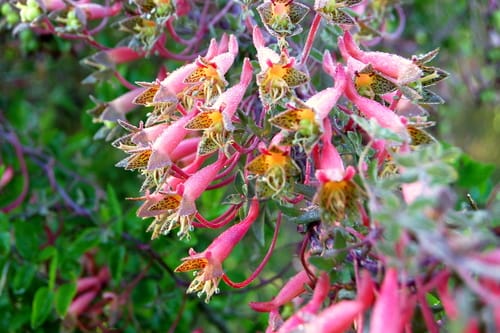
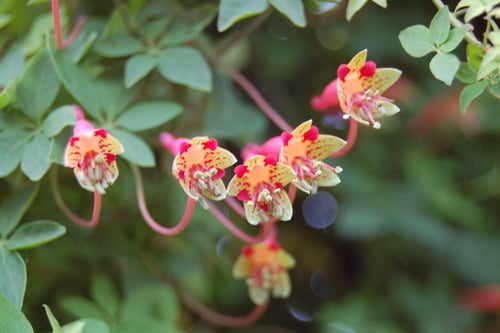
Tropaeolum leptophyllum
G.Don.
iNaturalist· cc-by-nc
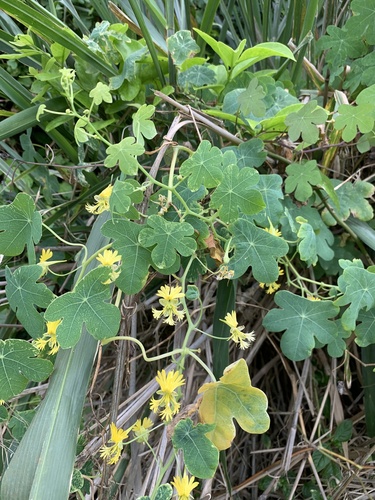
(c) Jaime Rojas Benavides, some rights reserved (CC BY-NC), uploaded by Jaime Rojas Benavides
iNaturalist· cc-by-nc
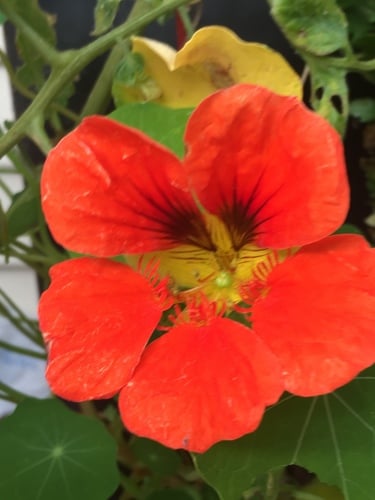
(c) Gabriela Cartes, some rights reserved (CC BY-NC)
iNaturalist· cc-by-nc
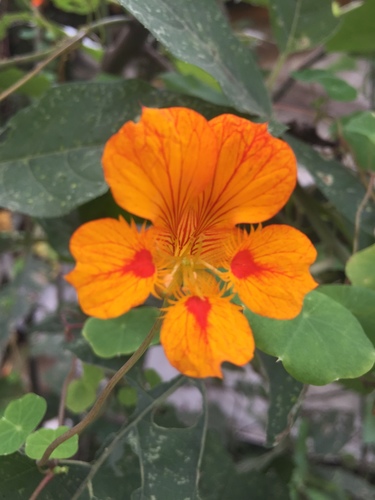
(c) David Thomas, some rights reserved (CC BY-NC)
Summary
Source: WikipediaTropaeolum leptophyllum is a perennial climber in the Tropaeolaceae family. It is endemic to mountainous regions of Chile.
Description
A perennial climbing vine growing to 1.5m, flowering July to September. Hardy to UK zone 8. Hermaphroditic flowers pollinated by insects. Grows in light sandy and medium loamy soils with mildly acidic to neutral pH, tolerating poor soil fertility. Requires full sun, well-drained soil, and moist conditions.
Edible Uses
The large tubers are cooked and eaten, though they are considered a food of last resort, used mainly in times of scarcity when better-flavoured alternatives are unavailable.
Medicinal Uses
None known.
Distribution
A subtropical plant. In Argentina it grows between 1,000-2,500 m above sea level.
Where It Grows
Argentina, Bolivia, Chile, Peru, South America*,
Cultivation
Requires a lime-free soil and a sunny position. Prefers a soil of turfy loam and peat or sandy peat and leafmould. Succeeds in soils of low and medium fertility. The dormant plant is hardy to about -15°c. A climbing plant, it supports itself by twisting its leaf stalks around other plants etc. Closely related to T. polyphyllum, differing in its tubers and climbing habit. The caterpillars of the cabbage white butterfly can be a nuisance and often cause considerable damage to the leaves.
Propagation
Sow seed in early spring in a greenhouse. Prick seedlings into individual pots once large enough to handle and grow on in the greenhouse through their first winter. Plant out in late spring or early summer after the last expected frosts. Divide tubers in autumn or spring; in cold-winter areas, harvest tubers in autumn after top-growth has died down, store in a cool frost-free place, and plant out in spring. Basal stem cuttings can be taken in spring, potted individually, placed in light shade in a frame until established, then planted out in early summer.
Other Uses
None known.
Other Information
It is a famine food.
Notes
There are 80 to 90 Tropaeolum species.
Synonyms
References (4)
- Hedrick, U.P., 1919, (Ed.), Sturtevant's edible plants of the world. p 657
- Kermath, B. M., et al, 2014, Food Plants in the Americas: A survey of the domesticated, cultivated and wild plants used for Human food in North, Central and South America and the Caribbean. On line draft. p 881
- Mansfeld,
- Plants for a Future database, The Field, Penpol, Lostwithiel, Cornwall, PL22 0NG, UK. http://www.scs.leeds.ac.uk/pfaf/